


The Future Fund plans to keep investing in private equity, on the back of a benchmark-beating return for the year to June, which was assisted by a strategy of moving into riskier asset classes.
On Wednesday, Australia’s sovereign wealth fund posted a return of 9.3 per cent for the 2017-18 financial year, outpacing its 6.1 per cent target. This result pushed its funds under management up to $107 billion.
The 12-year-old fund also exceeded its 6.6 per cent benchmark targetover 10 years, delivering returns of 8.7 per cent a year over 10 years.
“During the year, we slightly increased the level of risk in the Future Fund, balancing our perspective on the more positive near-term outlook with the longer-term risks that remain,” Future Fund chair Peter Costello said. “The short-term outlook is for a continuing period of sustained synchronised growth. But over the medium to longer term, a number of risks remain and continue to evolve.”
The fund has been adding risk since March, and in the year to June 30, 2018 the fund added 7.4 per cent across listed and private equity with private equity increasing from 11.6 to 14.1 per cent of the portfolio.
Costello added that inflationary pressures might be imminent in the US and with global interest rates normalising, there may be downward pressure on asset prices.
There was a $2.5 billion increase to private equity over the last three months, taking the total portfolio weighting for this asset class from 12.8 per cent to 14.1 per cent.
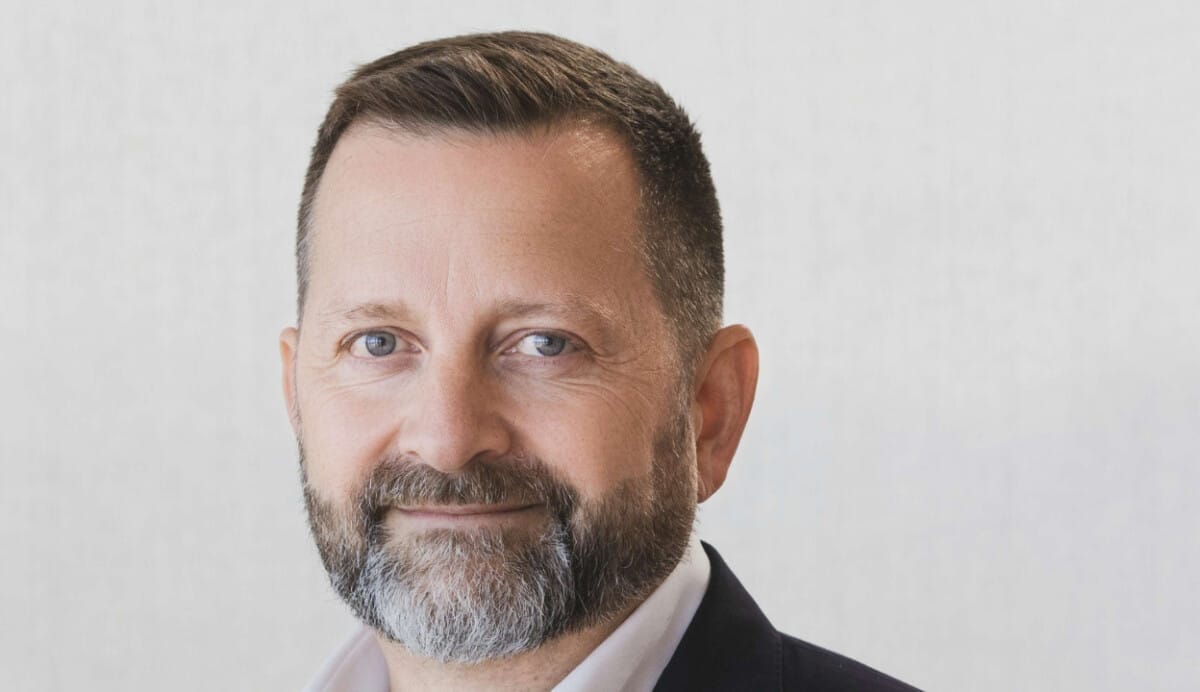
Future Fund chief executive David Neal partially attributed this shift to the stronger US dollar.
“One thing I would point out is that private equity is always in US dollars,” Neal said. “One reason the allocation has increased is because the US dollar has strengthened, so just, mechanically, the allocation goes up.”
Neal said the Future Fund would continue to invest in the private equity space.
“It provides us with an exposure to the parts of the economy and markets that you can’t necessarily access through the listed markets, and the opportunity to access additional returns through the application of skills,” he said. “But you have to be careful who you trust your money with in this space.”
Relying on private equity values going up without “operational improvements” was not an option, Neal said.
“So we do focus on organisations that have a strong history and skill base in adding value to businesses, growing businesses and [making] operational improvements to businesses,” he said.
“We can’t simply rely on values continuing to go up without operational improvements, so that’s a large part of risk management in the private equity space.”







Leave a Comment
You must be logged in to post a comment.
Login