
How capital markets became a weapon of choice in great power conflict

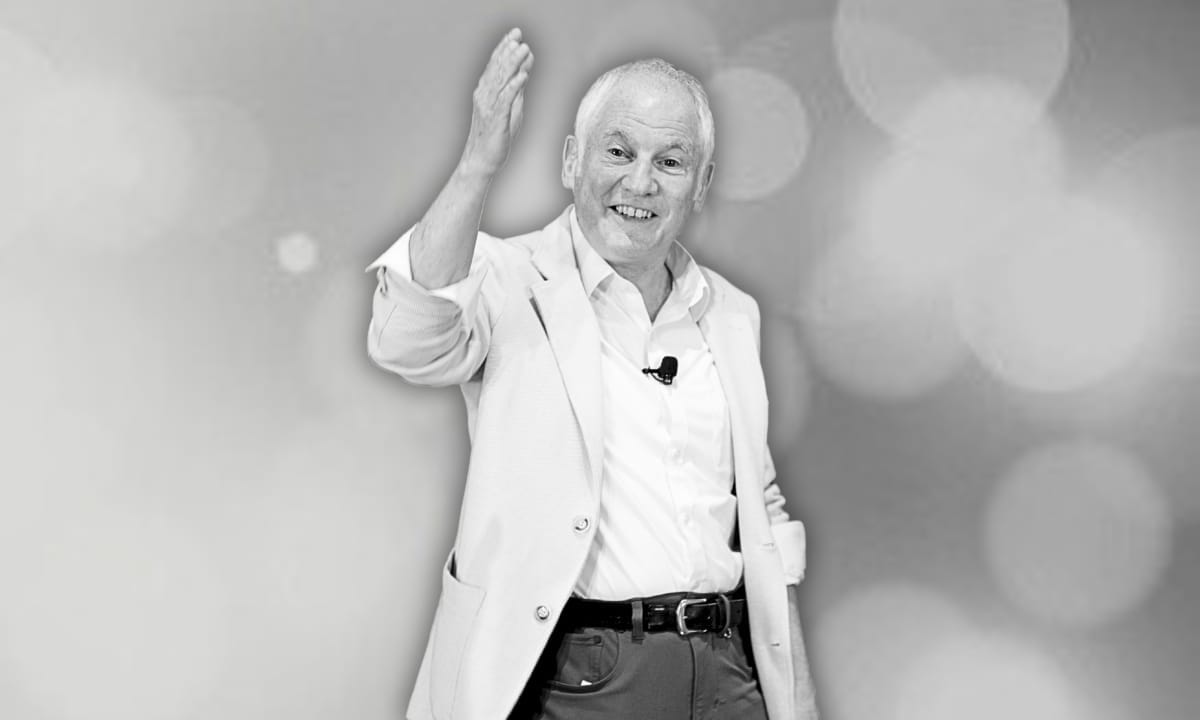
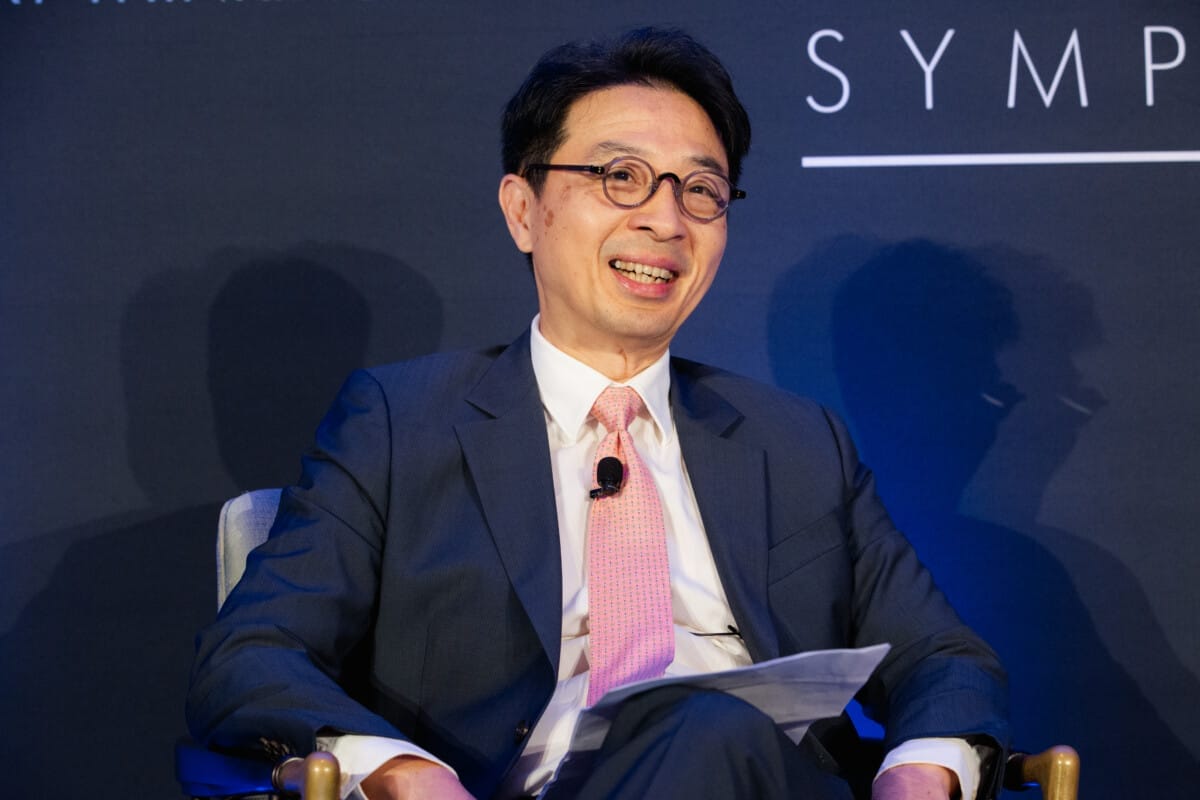
Weitseng Chen. Photo: Jack Smith

Capital markets continue to be a key battlefield of power between Beijing and Washington, and whether the yuan has a serious chance of taking over the dollar as the international currency is the next big question for the world economic order. 

The struggle is especially evident in developing countries. While the influence of US capital has waned due to the shuttering of foreign aid organisation United States Agency for International Development, China is working hard to increase its presence through programs like the Belt and Road Initiative (BRI).  

At the Top1000funds.com Fiduciary Investors Symposium, Asian law expert and Associate Professor at National University of Singapore, Weitseng Chen, said one unique thing about the yuan internationalisation scheme is China’s “capacity to maintain a dual system”. 

“One system is the US dollar-based system that is the foundation of global capital markets,” he told the symposium in Singapore. “Nowadays, China is the largest beneficiary of globalisation. They try very hard to uphold the current system and blame the United States of breaking down this current system.” 

“But on the other hand, China has established a quite effective alternative [currency] system.” 

This system includes the BRI; the Asian Infrastructure Investment Bank, which is a previous extension of BRI but later broadened its investment scope to unrelated infrastructure projects in Asia; the Cross-border Interbank Payment System that offers clearing and settlement services for yuan; and the so-called ‘dim sum’ bonds issued in foreign countries but denominated in yuan.  

Sponsored Content

Chen said users of the alternative yuan system are still limited, but its existence provides China with a plan B if it faces Russia-like sanction from the US.

“It’s already proved that [the system] is totally viable and possible,” he said.  

“US sanctions against Russia failed simply because Russia has been able to switch to this alternative platform, it’s quite powerful.” 

Chen said there is also a divergence in capital markets regulations between the two countries despite liberal scholars’ predictions over the past two decades that there would be convergence of globalised capital markets.  

“Convergence indeed happened. If you check out regulations on securities, both in the US and in China, they look surprisingly identical on many regards,” he said. “But this convergence is kind of superficial.” 

For example, investors have to opt in for complex deal structures like variable interest entity (VIE) if they want to invest in certain sectors in China with restriction of foreign ownership, such as technology. Under VIE, Chinese companies looking to list offshore will set up an overseas company, allowing foreign investors to purchase the stock.  

The foreign investor is then deemed as a creditor, not an owner of the company, “with inferior rights”, Chen said, adding that the US market regulator is “tolerating” structures like this because it wants to attract listings in the US. 

But from a legal perspective, these differences could cause global investors woes in periods of geopolitical tension. Overlapping jurisdictions in global markets create fertile ground for “legal warfare” between countries and investors need to stay vigilant. 

“There is an undercurrent…but we just ignore it. When geopolitics doesn’t matter to transactions, it’s okay; but when politics matters now, it is not okay,” he said.  

Leave a Comment

The world in flux and Trump’s role in a new equilibrium

The world in flux and Trump’s role in a new equilibrium

The second Trump administration has so far brought a lot of things: market shocks, volatile trade policies, and turbulent foreign relationships. But beyond the chaos, renowned geopolitics expert Stephen Kotkin says Trump has an unwitting role to help the world rebalance and reach a “new equilibrium” in the global order.

Sort content by

Why the energy transition won’t die with Trump 2.0

Despite the uptick in anti-ESG sentiment that’s come with Donald Trump’s return to the White House, large institutional investors are certain that innovations in transition technology will continue and that the broader world has not changed course on the journey to decarbonisation.  

How Asia-Pacific investors can navigate Trump’s America first plan

President Trump is dramatically reshaping geopolitics, creating new risks and opportunities for investors across the Asia-Pacific.

How new technologies are changing the game in private markets

With the ability to uncover hard-to-find information and enable more frequent trading in traditionally illiquid asset classes, new technologies like artificial intelligence and tokenisation could be the biggest disruption most private markets investors will see in their lifetime. 

Investors brace for life after the US dollar 

A world where the US dollar is no longer the reserve currency seems increasingly likely by the day, and institutional investors are wary that it could fundamentally change the way they construct portfolios. 

Future of Asia now ‘a more difficult story’ as multilateralism crumbles

The global environment in which small Asian economies have thrived over the past seven decades is being dismantled as the US retreats as an advocate of multilateralism, globalisation and internationalism, warned leading geopolitics academic and economist Danny Quah.

Geopolitical uncertainty forces investors to adopt more granular approach

The radical shift in world geopolitics has prompted investors like the Monetary Authority of Singapore, Khazanah Nasional Berhad and the Hong Kong Monetary Authority to rethink their strategic asset allocations in favour of a more granular approach.