
Right benchmark provides different perspective on private markets alpha

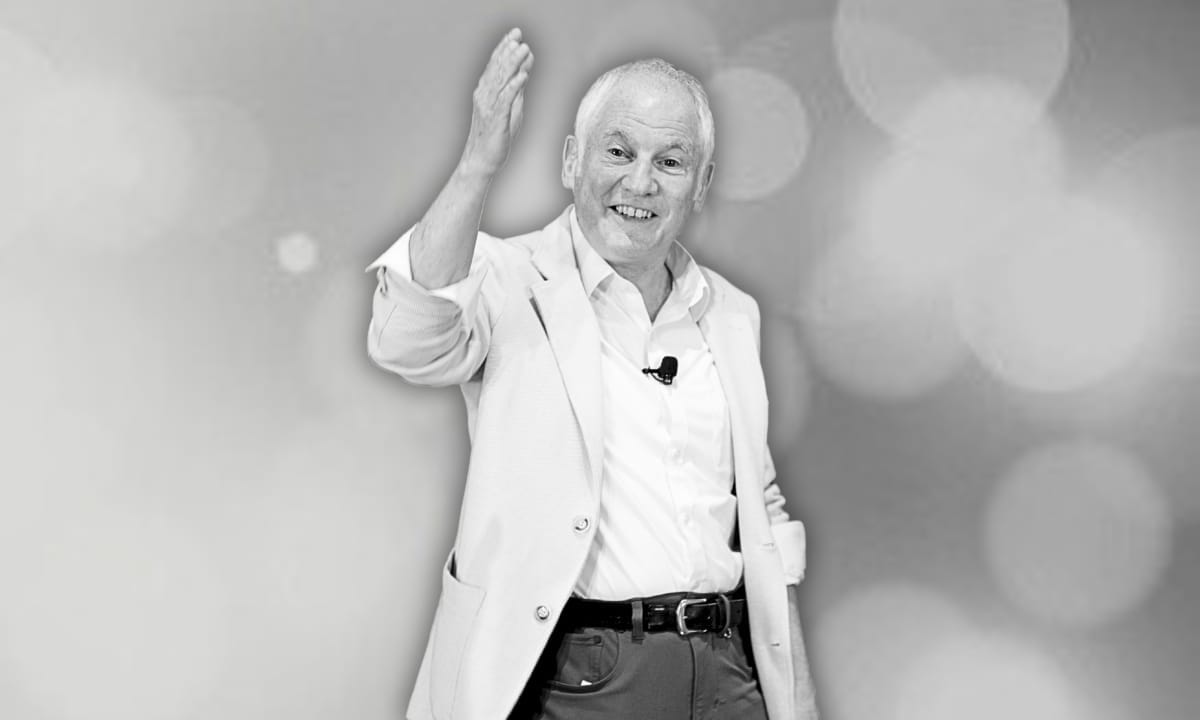
Frederic Blanc-Brude. Photo: Jack Smith

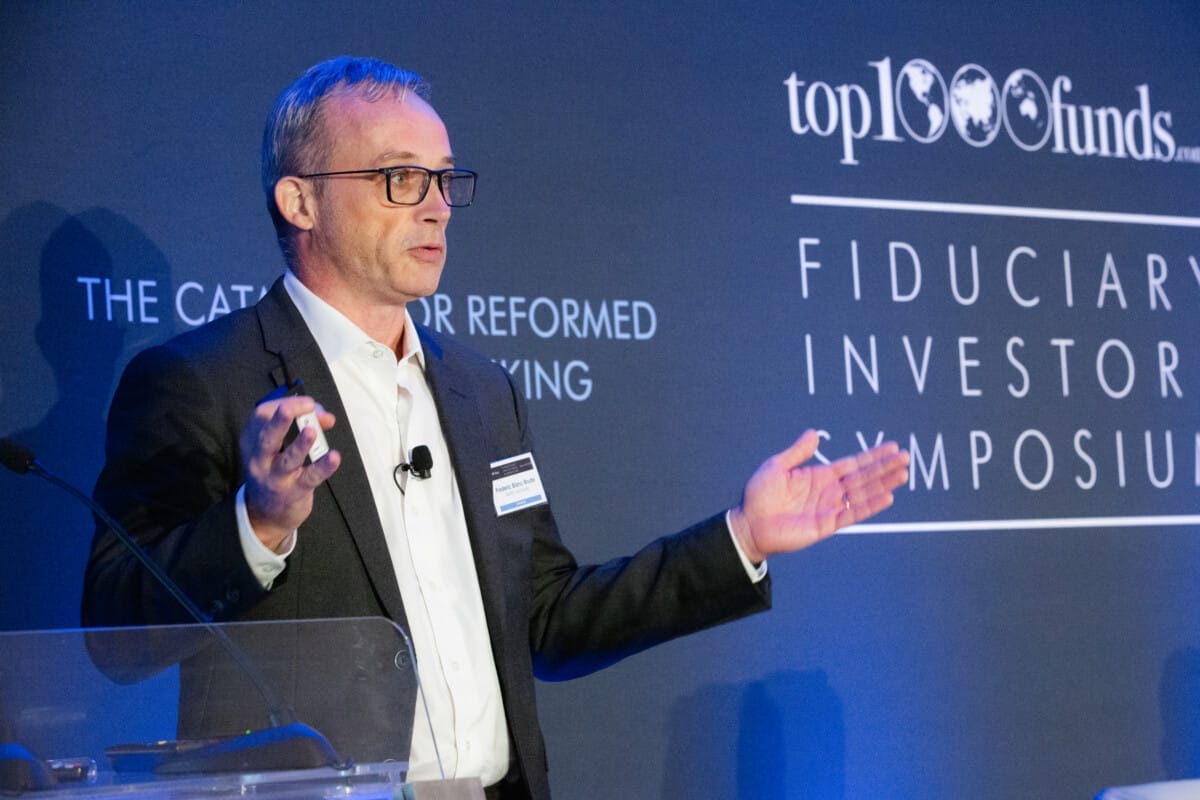
A private market equivalent benchmark is superior to either peer group benchmarks or a public market equivalent in measuring private equity and infrastructure manager outperformance, according to Frederic Blanc-Brude, director of Scientific Infra & Private Assets at EDHEC Asia Pacific.  

Speaking at the Fiduciary Investors Symposium in Singapore, Blanc-Brude said using a combination of private market benchmarks, the relevant cash flows and net asset value, and a well-established methodology known as direct alpha, can reveal a new perspective on manager outperformance. 

Referring to new research, Do private asset funds generate alpha, he showed that on average private asset managers do not deliver alpha if they are benchmarked against the appropriate index.  

It shows that private market risk is the primary driver of returns in private asset funds. Further asset allocation alpha is positive or in other words fund managers create value by taking contrarian bets on specific sectors. 

The paper looks at how to measure alpha in a way that will greatly improve how private markets managers are selected, according to Blanc-Brude, with the current method inferior due to a forced trade-off between a robust peer group and granularity. 

EDHEC estimates that the private asset market is made up of millions of companies across 150 countries with combined assets of $65 trillion, and Blanc-Brude argues “a more prudent approach to selecting these managers” would be to use a benchmark for this market made up of the underlying companies. EDHEC has derived two benchmarks – the private2000 and infra300 indices – which are based on a robust asset pricing model that reprices one million companies monthly. 

Sponsored Content

“Because so far, we have been looking at our peer group of funds, we’ve been conflating two things, the beta of the fund, in other words how much is exposed to this private asset market, and the alpha of the manager, how much they beat the market,” he said. “It’s all mixed together because you can’t tell which is which. And the prudent investor should try to select fund managers that can at least deliver the market, deliver the beta of private equity, and ideally do better.” 

Blanc-Brude dismissed the idea of using a benchmark made up of a public-market equivalent, saying “the only information that gives you is if you’re better of investing in an ETF versus private equity”. 

“Which is interesting, it’s not zero information, but that’s all it’s going to tell you. It’s certainly not going to help you to find the best manager.” 

“So in order to select the best managers that are the most likely to create value, you should be using an index which allows you to distinguish between their exposure to a market, which is the market they invest in, this private market, and which part of what they do is outperformance.” 

The study also segments managers into four categories according to positive or negative alpha and positive or negative beta, noting there are those that are “quite special” who have negative beta but positive alpha. 

These are really those who are managing to create value without getting too much market risk exposure.  

Leave a Comment

The world in flux and Trump’s role in a new equilibrium

The world in flux and Trump’s role in a new equilibrium

The second Trump administration has so far brought a lot of things: market shocks, volatile trade policies, and turbulent foreign relationships. But beyond the chaos, renowned geopolitics expert Stephen Kotkin says Trump has an unwitting role to help the world rebalance and reach a “new equilibrium” in the global order.

Sort content by

How Asia-Pacific investors can navigate Trump’s America first plan

President Trump is dramatically reshaping geopolitics, creating new risks and opportunities for investors across the Asia-Pacific.

How new technologies are changing the game in private markets

With the ability to uncover hard-to-find information and enable more frequent trading in traditionally illiquid asset classes, new technologies like artificial intelligence and tokenisation could be the biggest disruption most private markets investors will see in their lifetime. 

How capital markets became a weapon of choice in great power conflict

Capital markets continue to be a key battlefield of power between Beijing and Washington, and whether the yuan has a serious chance of taking over the dollar as the international currency is the next big question for the world economic order. 

Investors brace for life after the US dollar 

A world where the US dollar is no longer the reserve currency seems increasingly likely by the day, and institutional investors are wary that it could fundamentally change the way they construct portfolios. 

Future of Asia now ‘a more difficult story’ as multilateralism crumbles

The global environment in which small Asian economies have thrived over the past seven decades is being dismantled as the US retreats as an advocate of multilateralism, globalisation and internationalism, warned leading geopolitics academic and economist Danny Quah.

Geopolitical uncertainty forces investors to adopt more granular approach

The radical shift in world geopolitics has prompted investors like the Monetary Authority of Singapore, Khazanah Nasional Berhad and the Hong Kong Monetary Authority to rethink their strategic asset allocations in favour of a more granular approach.