

As the Netherland’s overhaul of its €1.45 trillion ($1.6 trillion) pension sector, Europe’s largest, gathers pace the country’s pension funds must shift from defined benefit to defined contribution.
Asset owners are beginning to adjust their hedging policies and asset mix to prepare for a new world that replaces retirement income promises for members with a different system that bases pension payouts on contributions and investment returns, dependent on the vicissitudes of financial markets.
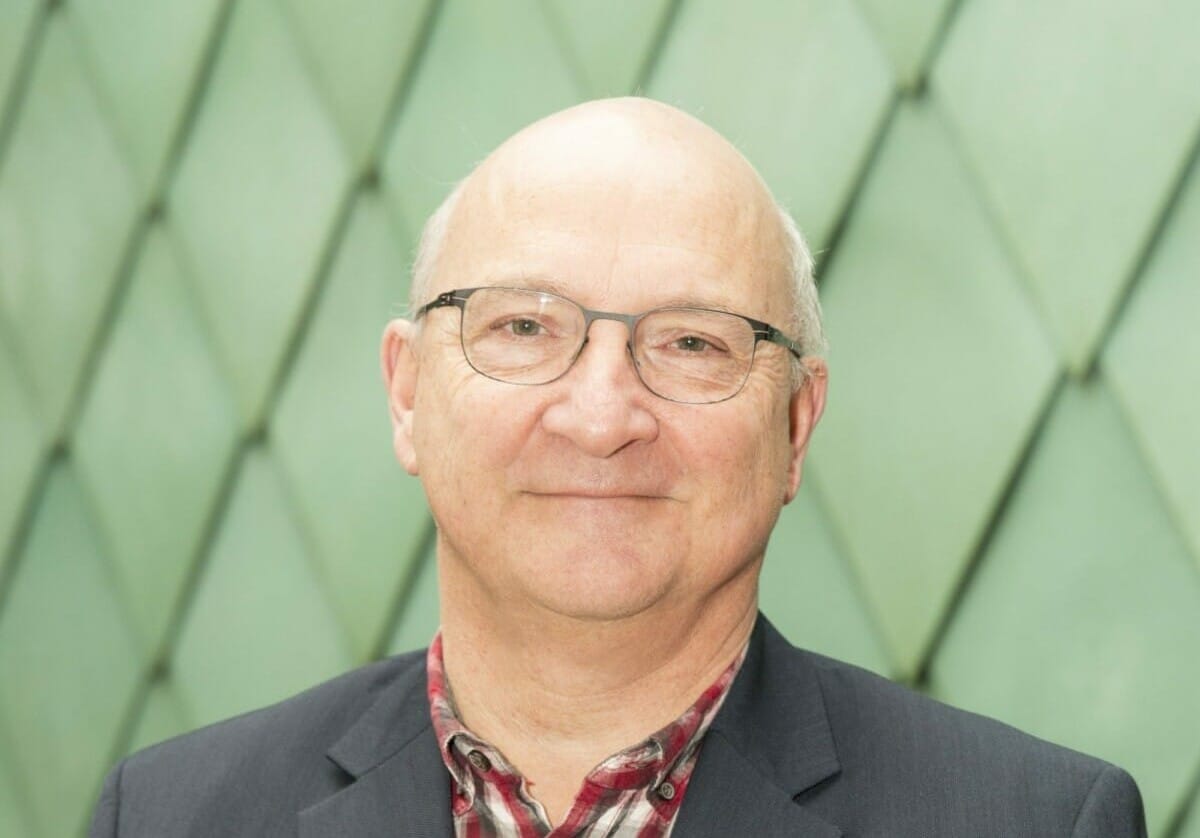
“Pension funds are really busy with the transition from DB to DC. Everyone is preparing for a different asset mix in the new DC system and beginning to incorporate a different approach to interest rate hedging that has always been a very prominent element of risk management in the Netherlands,” explains Xander den Uyl, somewhat of an identity in the Dutch pension landscape. He is now a trustee at €1 billion Pensioenfonds Recreatie, a pension fund for employees in the Netherland’s recreational sector that is at the forefront of a transition that is being closely watched by governments around the world, mindful of the need to reform their own pension systems as aging populations increase.
“Recreatie is really leading the pack in its approach to the reform process and sees a clear future. It’s a nice atmosphere,” reflects den Uyl, who has just taken up the role after a 12-year stint on the board at €9 billion PWRI and who was also a board member at the giant ABP until May 2023, and had been its previous deputy chair.
Rush to hedge
The reforms promise profound implications for Dutch funds’ hedging strategies; the extent to which hedging will remain active and dynamic or shift to shorter duration swaps, and the suitability of LDI strategies in the long-term.
Many Dutch funds have dynamic asset and liability management strategies where a matching and return portfolio, and an interest-rate hedging strategy, all move in line with funding ratios. An investment approach that has been encouraged by strict regulation steering funds to focus on short term stability and guarantees rather than tilt towards risk-taking and long-term returns, but which has also thrived in a low interest rate world.
den Uyl predicts that more funds will seek to hedge interest rate risk in the next few years ahead of the 2028 reform deadline. It could lead to a short-term spike in demand (in 2026 and 2027 particularly) for hedging as funds scramble to de-risk.
Most funds have a relatively high solvency rate because of the rise in interest rates, a position they want to preserve before they transition into the new system, he explains. “Funds are thinking about increasing their hedging position in the short-term because if interest rates go down, their healthy solvency ratio is threatened.”
But from 2028 and beyond, the strategy for long-term hedging will increasingly shift to demand for short-term hedging strategies. The reduction in the duration of their hedging portfolios over time will see more selling of long duration and more buying short duration, he says.
“Less demand for long-duration hedges will have some price effect on rates,” he predicts.
As a regulator, the Netherland’s Central Bank, (DNB) is hesitant to speculate how pension reform will impact asset mixes and hedging strategies, mindful that portfolio composition will only become apparent when pension funds migrate to the new system.
Still, DNB’s Chris Sondervan, a supervisor of specialist financial risk, acknowledges an important change of the new pension system will include an increased emphasis on robust risk preference surveys.
“Pension funds will have a good understanding of their participants’ risk appetite in their investment portfolios and are obliged to have an asset allocation that fits with the corresponding risk appetite,” he says.
Under this new, participant-specific risk umbrella, interest rate risk will be better allocated to reflect respective risk preferences.
“For example, young generations have a long horizon and are, therefore, more likely to hedge against long term interest rate risk, while old generations prefer to hedge short term interest rate risk. The current pension scheme does not take these differences into account, while the new pension scheme allows for tailor made interest rate hedging strategies,” he says.
Changing the asset mix
It’s may not just be hedging strategies that change. Changes to pension funds’ asset mix are also on the horizon. Many funds, particularly with younger beneficiaries, may begin to beef up their allocation to equities and reduce their exposure to fixed income.
“Of course, this will depend on the risk preference of members but there is a feeling that the asset mix amongst Dutch pension funds will become riskier,” says den Uyl, who welcomes a change that will see a shift from “overdone” hedging strategies, often at the expense of returns. Reform heralds the dawn of a healthier system that will see pension funds invest more not just in equity but real estate and alternatives, he adds.
More communication with beneficiaries
Under the reforms, pension funds will choose between two different types of DC schemes, either a “solidarity contract” where the fund decides on the investment mix or a “flexible contract” where the member can choose their own [investment mix].
It means the new regulation will see a sharp uptick in compulsory communication with beneficiaries. “This will be an important part of the work of trustees and boards,” says den Uyl.
There is a possibility heightened communication could have consequences for ESG integration. Although many Dutch funds have integrated sustainability off the back of pressure from their beneficiaries, the success of far-right leader Geert Wilders in recent Dutch elections and who has a hostile stance on attempts to cut carbon emissions, could signpost a population beginning to cool on sustainable investment.
den Uyl believes by focusing on the sustainability message, beneficiaries are unlikely to request changes in sustainable investment, even if the Netherlands political landscape shifts to the right.
“There will be even more communication with members around responsible investment in the new system, but members are pushing for sustainable investment, and I don’t see that changing very much and I don’t see the transition to a new system stopping the focus on sustainable investment.
Although not every political party is committed to reducing the impact of climate change, members understand that a sustainable return requires a sustainable world.”
Still, he does warn that if pension returns start to fall, priorities may shift. “If returns drop, the conversation could change,” he concludes.








Leave a Comment
You must be logged in to post a comment.
Login