



With more than $A5 billion ($5.3 billion) invested in infrastructure through some 120 different types of assets, AustralianSuper is examining whether diversity is all its cracked up to be when it comes to infrastructure investing.
The $45-billion fund has ambitious plans to double both its infrastructure holdings and its size of its overall portfolio in five years.
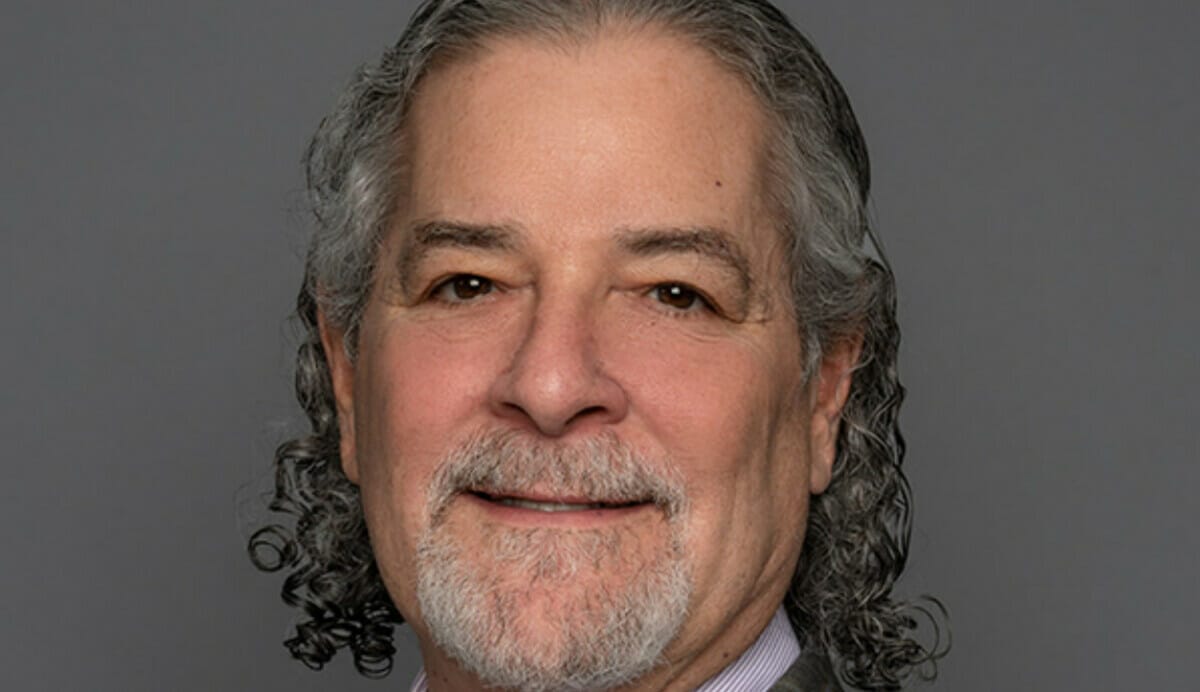
As it looks to potential investments today, AustralianSuper’s head of infrastructure, Jason Peasley, explains that the investment team is looking for opportunities that will provide meaningful scale for what could be a much bigger sized fund down the track.
“Infrastructure involves active management. It is not just a beta play – there are alpha opportunities as well,” Peasley says.
If we are too diversified we risk having a portfolio that will do just the median; it is just going to be a beta return. The way our managers are structured, the fees we pay, we do expect opportunities to generate some alpha and our value add is valuing the managers and opportunities that will give that, given a certain risk profile… We should probably look at concentrating our portfolio a little more than diversifying further.”
New capital will drive increasing allocations and Peasley says that the fund is looking to invest directly in infrastructure.
According to Peasley, the “lion’s share” of the $5.3 billion invested in infrastructure is in 20 key assets, with the remaining 100 assets a “long tail” of smaller investments.
Direct investment would give the fund the flexibility and scale it needs to shape a portfolio that both complements its current holdings and also provides other avenues to market, allowing it to grow quickly.
“We see a strong role for more direct investment methods in our arsenal and we think they will compliment our existing platform and existing core managers quite well.”
AustralianSuper’s has the most infrastructure assets under management with managers Industry Funds Management (IFM) and Hastings Funds Management.
Its biggest investment is in Pacific Hydro, a company that has renewable energy projects in Brazil, Chile and Australia and makes up 13.53 per cent of AustralianSuper’s infrastructure portfolio.
AustralianSuper also has more than 18 per cent of its infrastructure investments in the growth asset of airports located in the Australian cities of Melbourne, Brisbane and Perth.







Leave a Comment
You must be logged in to post a comment.
Login