
A new card for an old infrastructure hand


With more than $A5 billion ($5.3 billion) invested in infrastructure through some 120 different types of assets, AustralianSuper is examining whether diversity is all its cracked up to be when it comes to infrastructure investing.

Sponsored Content

The $45-billion fund has ambitious plans to double both its infrastructure holdings and its size of its overall portfolio in five years.

As it looks to potential investments today, AustralianSuper’s head of infrastructure, Jason Peasley, explains that the investment team is looking for opportunities that will provide meaningful scale for what could be a much bigger sized fund down the track.

“Infrastructure involves active management. It is not just a beta play – there are alpha opportunities as well,” Peasley says.

If we are too diversified we risk having a portfolio that will do just the median; it is just going to be a beta return. The way our managers are structured, the fees we pay, we do expect opportunities to generate some alpha and our value add is valuing the managers and opportunities that will give that, given a certain risk profile… We should probably look at concentrating our portfolio a little more than diversifying further.”

New capital will drive increasing allocations and Peasley says that the fund is looking to invest directly in infrastructure.

According to Peasley, the “lion’s share” of the $5.3 billion invested in infrastructure is in 20 key assets, with the remaining 100 assets a “long tail” of smaller investments.

Direct investment would give the fund the flexibility and scale it needs to shape a portfolio that both complements its current holdings and also provides other avenues to market, allowing it to grow quickly.

“We see a strong role for more direct investment methods in our arsenal and we think they will compliment our existing platform and existing core managers quite well.”

AustralianSuper’s has the most infrastructure assets under management with managers Industry Funds Management (IFM) and Hastings Funds Management.

Its biggest investment is in Pacific Hydro, a company that has renewable energy projects in Brazil, Chile and Australia and makes up 13.53 per cent of AustralianSuper’s infrastructure portfolio.

AustralianSuper also has more than 18 per cent of its infrastructure investments in the growth asset of airports located in the Australian cities of Melbourne, Brisbane and Perth.
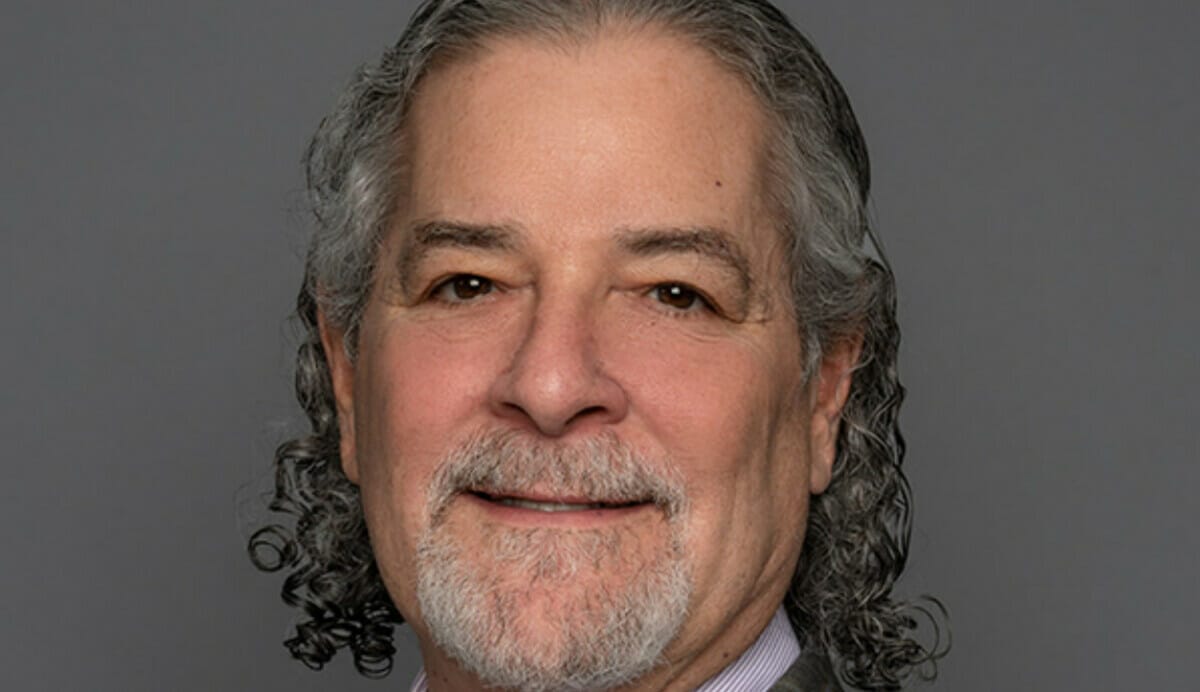

Asset Owner:AustralianSuper

Leave a Comment

Nest favours institutional-first managers as retail exodus pressures private credit

Nest favours institutional-first managers as retail exodus pressures private credit

Nest, the largest workplace pension in the UK, says that private credit managers who prioritise institutional clients will be more favourably viewed. The £61 billion ($82 billion) fund has awarded a £450 million ($605 million) US direct lending mandate to Crescent Capital this month, citing the manager's institutional-client-first approach as a key attraction.

Sort content by

A more thoughtful private equity model

Responsible investors need to take into account how fund management and investment structures may be exacerbating wealth and income disparities, as well as systemic market risk. Raphaele Chappe and Delilah Rothenberg from the Predistribution Initiative have some suggestions for how PE could be adjusted in this regard and how building back better post-COVID-19 requires a more thoughtful model.

Has your value definition just expired?

Is book-to-price still a suitable definition of the value factor? Researchers at Scientific Beta explore the arguments for different definitions including how to account for intangible capital.

Braving the unknown: high yield debt

Option-adjusted spreads for US high yield are above 700 basis points, a stress event threshold only breached four other times in the last two decades.  Mercer's Nathan Struemph examines the considerations for investors looking at these investments including the range of return outcomes in prior stress events, the path investors had to experience in reaching those outcomes, and the impact of implementation timeliness on returns.

Dislocated credit market opportunities

Credit opportunities within long-only fixed income, hedge funds and private markets are broad and likely to expand as the economic impact of COVID-19 is reflected in corporate earnings and balance sheets. This type of environment has historically led to investment opportunities for long-term investors across the credit spectrum. Investors seeking to benefit from credit dislocation should ensure that suitable portfolio allocations are in place.

Real estate: The winners and losers

Real estate is one of the asset classes hardest hit by the pandemic. Although FIS 2020 experts warn that some companies may never return to the office, opportunities are already appearing in smaller, regional hubs while listed real estate will recover quicker than private investments.

New AA model prioritises liquidity

Singapore’s sovereign wealth fund GIC and PGIM, one of the world’s largest asset managers, have collaborated to develop a world-first asset allocation framework that explicitly models the impact of private assets on total portfolio liquidity, incorporating both the top-down allocation view and the bottom-up cash flow view.

Previous



