


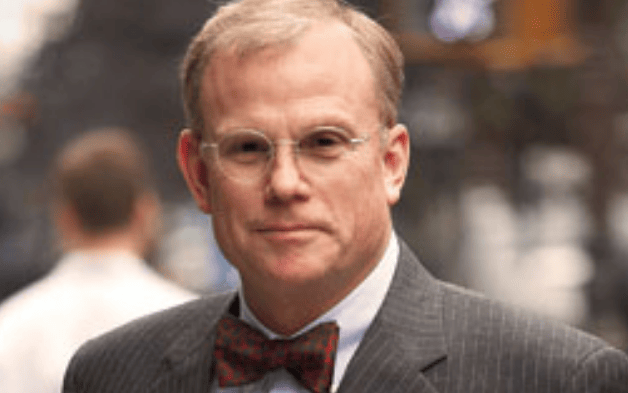
[vc_empty_space height=”10px”][vc_media_type_category]By Gilbert Van Hassel, cheif executive, Robeco
Sustainability investing: meeting the needs of the present generation without compromising those of generations to come
It is with great pleasure that we present to you our Big Book of SI. We firmly believe in sustainability investing, and think all the stars are aligned for this investment discipline. From a bottom-up perspective, sustainability is clearly changing markets. The environment in which companies operate is very different from 20 years ago. Climate change, resource scarcity, pollution and the working conditions in emerging countries are all trends that affect companies, as well as provide opportunities for new markets.
However, they also present risks as they are changing the regulatory landscape, altering consumer behavior and, in many cases, increasing costs. Moreover, clients are increasingly looking to create more sustainable portfolios to meet the demands of their sponsors, participants and regulators. And then there is the socioeconomic perspective and the many global challenges faced by our generation. While prioritizing growth above issues such as climate change risks may yield better returns in the short term, the long-term prospects for such a strategy may be less rosy.
Sustainability investing is of strategic importance at Robeco. We started adopting it in the mid-90s and it has been at the core of our business since the mid-2000s, when Robeco acquired Sustainable Asset Management (now RobecoSAM). The acquisition of SAM gave us the knowledge and insight we needed to integrate sustainability in all aspects of our business. Our current joint sustainability strategy is built on four key aspects:
- A unique sustainability culture that has evolved over the last 20 years
- Our extensive in-house expertise in research, analytics and investments
- A truly integrated investment approach across the asset classes stemming from interaction between our SI
researchers, financial analysts and engagement specialists - The ability to innovate quickly and offer clients bespoke solutions as sustainability investing evolves
Despite our clear vision on sustainability, we realize that there is no one size fits all, so we offer many different products and solutions for many different clients across the globe. At the time of writing, we manage EUR 100 billion of integrated sustainability assets in equity, fixed income and private equity. We believe that the investment industry will move from creating only wealth to creating wealth and well-being, and it is our intention to contribute to that shift. It is in the interests of both society and our industry, and when these two are aligned progress can be swift.
The topic of sustainability arises within minutes of talking with clients. I believe that we have reached an inflection point. It is already clear that taking a sustainable approach does not detract from performance. We believe that using financially material ESG information leads to better-informed investment decisions and benefits society. The Sustainable Development Goals are a very important development in this context that take sustainability to the next level by making it tangible and measurable. There has been a change in thinking in the asset management world, from avoiding companies that have a negative impact on the environment to investing in companies that have a positive one.
You can embark on sustainability investing in small steps. What we see at Robeco is that, as knowledge and experience in sustainability investing increase across the organization, so too does conviction. I hope that this Big Book of SI will help you find your way in the fascinating, multi-dimensional world of sustainability investing.







Leave a Comment
You must be logged in to post a comment.
Login