
A new card for an old infrastructure hand


With more than $A5 billion ($5.3 billion) invested in infrastructure through some 120 different types of assets, AustralianSuper is examining whether diversity is all its cracked up to be when it comes to infrastructure investing.

Sponsored Content

The $45-billion fund has ambitious plans to double both its infrastructure holdings and its size of its overall portfolio in five years.

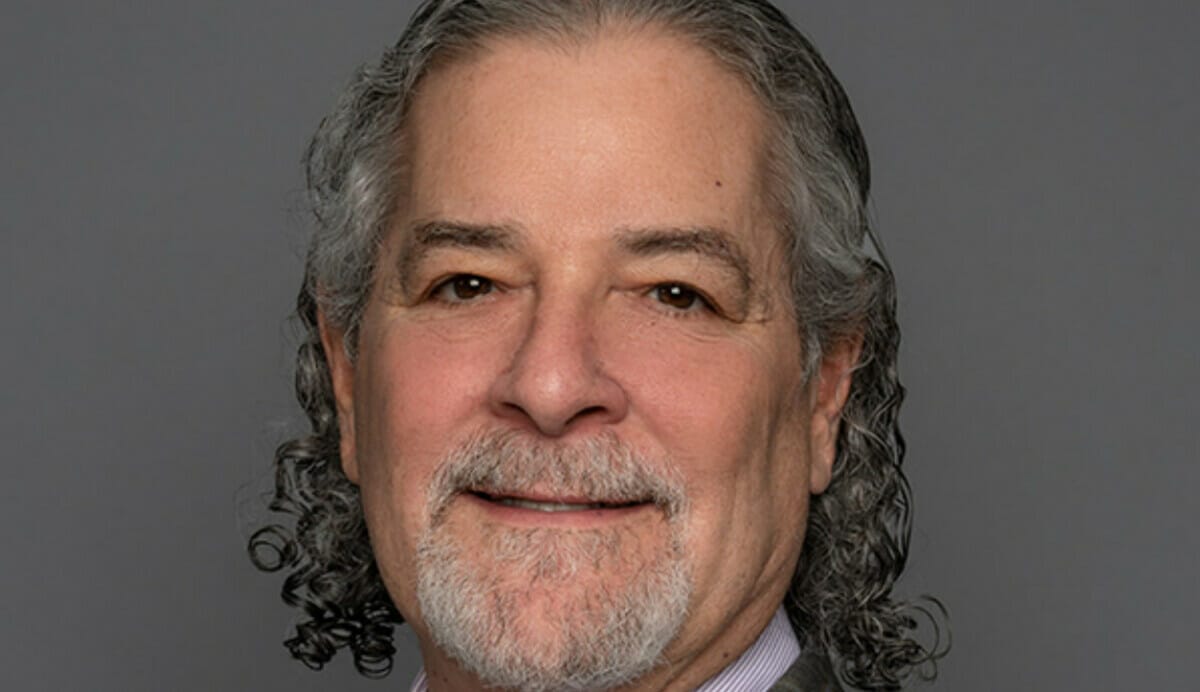
As it looks to potential investments today, AustralianSuper’s head of infrastructure, Jason Peasley, explains that the investment team is looking for opportunities that will provide meaningful scale for what could be a much bigger sized fund down the track.

“Infrastructure involves active management. It is not just a beta play – there are alpha opportunities as well,” Peasley says.

If we are too diversified we risk having a portfolio that will do just the median; it is just going to be a beta return. The way our managers are structured, the fees we pay, we do expect opportunities to generate some alpha and our value add is valuing the managers and opportunities that will give that, given a certain risk profile… We should probably look at concentrating our portfolio a little more than diversifying further.”

New capital will drive increasing allocations and Peasley says that the fund is looking to invest directly in infrastructure.

According to Peasley, the “lion’s share” of the $5.3 billion invested in infrastructure is in 20 key assets, with the remaining 100 assets a “long tail” of smaller investments.

Direct investment would give the fund the flexibility and scale it needs to shape a portfolio that both complements its current holdings and also provides other avenues to market, allowing it to grow quickly.

“We see a strong role for more direct investment methods in our arsenal and we think they will compliment our existing platform and existing core managers quite well.”

AustralianSuper’s has the most infrastructure assets under management with managers Industry Funds Management (IFM) and Hastings Funds Management.

Its biggest investment is in Pacific Hydro, a company that has renewable energy projects in Brazil, Chile and Australia and makes up 13.53 per cent of AustralianSuper’s infrastructure portfolio.

AustralianSuper also has more than 18 per cent of its infrastructure investments in the growth asset of airports located in the Australian cities of Melbourne, Brisbane and Perth.

Asset Owner:AustralianSuper

Leave a Comment

COAERS finds rich pickings in PE secondaries; warns of retail risk

COAERS finds rich pickings in PE secondaries; warns of retail risk

The exit drought and extended holding periods in private equity is causing mounting pain for many LPs. But for Austin-based COAERS, it is providing ample market to pick up bargains in the secondary market. Sarah Rundell spoke to CIO David Kushner.

Sort content by

Asset owners need organisational prowess to take advantage of distress

The market has already entered the early stages of a multi-year restructuring cycle that will present many opportunities for credit providers. Researchers and investors from GIC, CalPERS and IMCO recommend some organisational changes that will ensure asset owners can make the most of those opportunities.

CalPERS reviews factor allocation

As CalPERS navigates more change at the top following Nicole Musicco decision to leave, the investment committee ploughs on with an annual review of the public equity portfolio where discussions focus on the factor weighted strategy and engagement on executive pay.

Why City of Austin goes evergreen in first private markets foray

With a new funded policy in place, CIO David Kushner is building a new private markets allocation at COAERS. He explains why private credit evergreen investments make a good starting point for a new private markets allocation that will make up 10 per cent of the fund.

Penn PSERS trims leverage, adds fixed income and hones in on fees

The $71.9 billion Pennsylvania Public School Employees' Retirement System has reduced net leverage, added fixed income and continues to shave costs off its external investment management fees, mostly by reducing private allocations. The trimming and shifting of the portfolio is part of an adjusted SAA responding to ongoing market changes.

NBIM: Listed and private real estate is all the same in the long run

The differentiating characteristics of unlisted and listed real estate diminish over time according to new research by Norges Bank Investment Management, supporting the sovereign wealth funds’ unique combined strategy for real estate that sees both private and listed sit in the same team.

Future Fund jolts out of ‘set and forget’ mode

Australia’s sovereign wealth fund has handed mandates to external active managers and built a dedicated treasury management function, six years after going all-in on passive index strategies. It is is also on the hunt for early stage venture opportunities as it continues to forecast challenging conditions and higher persistent inflation.

Previous



