
New CIOs at NZ Super, NYC and CalPERS

Three large, sophisticated pension funds have named new CIOs. Here’s what you need to know about them.

Stephen Gilmore has been appointed CIO of the NZ$39 billion ($27 billion) New Zealand Super, following the elevation of Matt Whineray to chief executive after four years as CIO.

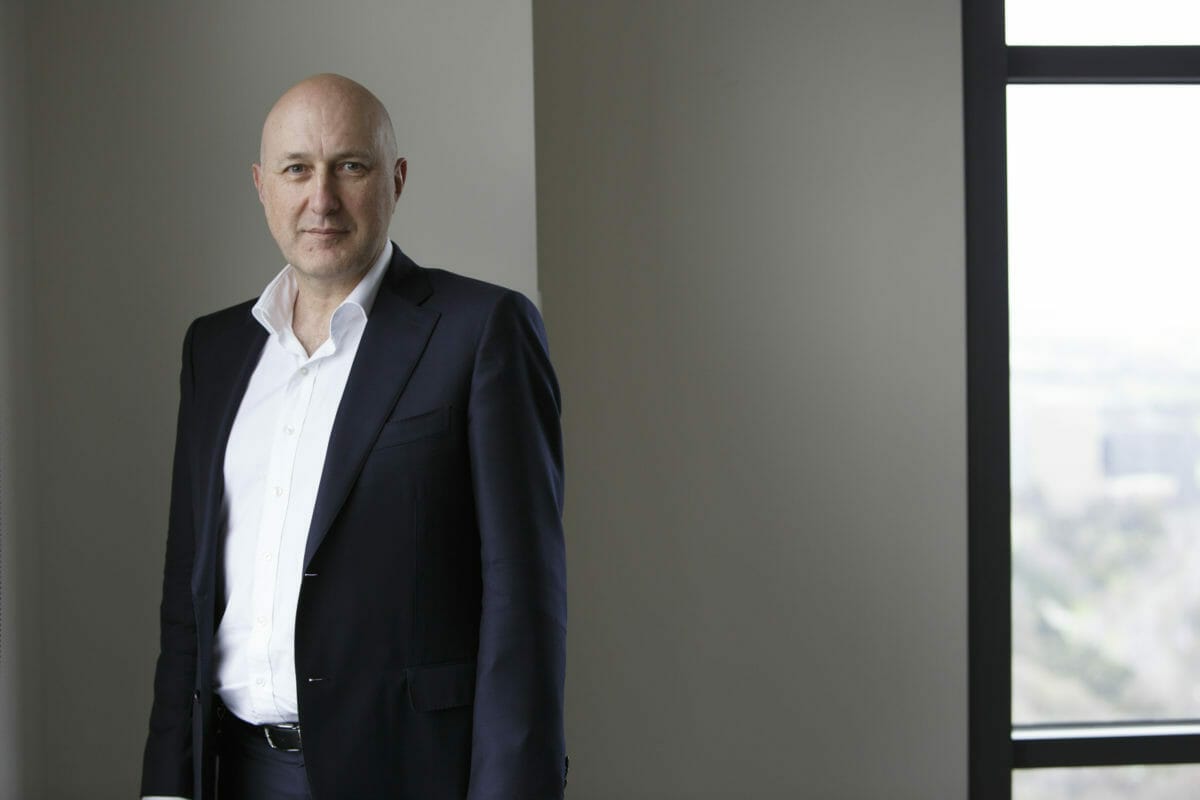
Gilmore (pictured) comes from across the ditch (Australia) and was previously co-CIO at the A$148 billion ($107 billion) Future Fund. Earlier this year, the Future Fund had a reorganisation, appointing Raphael Arndt the sole CIO with two deputies reporting to him: Wendy Norris on private markets and David George on public markets.

At NZ Super, native kiwi Gilmore will lead an investment team of 45 that looks after external investment managers, New Zealand and international direct investments, responsible investment, and asset allocation, including the fund’s tilting program.

NZ Super and the Future Fund have similar investment approaches; both employ a total portfolio approach to portfolio construction and allocation.

Also this month, Alex Doñé has been named deputy comptroller and CIO of the $200 billion New York City’s Bureau of Asset Management (BAM).

Sponsored Content

Doñé was previously interim CIO at BAM, where he had worked since 2012, predominantly in private equity.

In that role, he oversaw the roll-out of major new diversity initiatives, including the launch of a search for an investment manager to source and invest in first-time funds and early-stage firms with emerging managers across multiple asset classes. He also oversaw an expansion of BAM’s brokerage program for businesses owned by women and minorities.

Before joining BAM, he served for two years in US president Barack Obama’s administration, as a presidential appointee at the US Department of Commerce’s Minority Business Development Agency.

Doñé is leading an effort to diversify the NYC pension funds’ portfolios into co-investments. He replaces Scott Evans, who was CIO from June 2014 to June 2018.

BAM has also appointed a new head of private equity. J. David Enriquez has been elevated to that position.

The New York State Common Retirement Fund has still not named its new CIO after Vicki Fuller left the position in July. Anastasia Titarchuk is interim CIO.

Meanwhile, the largest fund in the US, the $360 billion California Public Employees’ Retirement System (CalPERS), is bringing Yu Ben Meng back into its fold, as the Californian was appointed CIO in September.

Meng, who was born in China, has spent the last three years as deputy CIO of China’s State Administration of Foreign Exchange (SAFE).

Prior to his time at SAFE, he spent seven years at CalPERS, with his last role as the investment director of asset allocation. He was also a portfolio manager in fixed income.

At CalPERS, he will look after nearly 400 employees and be responsible for investment policies, risk management, corporate governance standards, and environmental, social, and governance strategies.

Meng replaces Ted Eliopoulos who is moving to New York and has a position at Morgan Stanley.

Leave a Comment

Pension funds confront the question of who owns AI

Pension funds confront the question of who owns AI

As the use of AI within asset owners evolves, organisations are grappling with the governance question of where the strategy and accountability sit. Darcy Song looks at the treatment of AI organisationally within a number of high-profile funds, including OTPP, AustralianSuper, CPP and Norges Bank.

Sort content by

Strategy at Canada’s newest pension plan

Barbara Zvan started her job last week as the inaugural CEO and president of UPP, the new pension fund that will pool three existing Canadian university pension funds. She talks to Amanda White about the plans for the fund including the mix of internal and external management.

The hour for leadership is now

This crisis is a leadership defining moment, and now more than ever, investment leaders have the opportunity to make life-changing differences for roughly four billion people’s savings and investments.

A mindset for the future

Angela Rodell, CEO of the Alaska SWF, looks into a post-COVID future and what investors, such as APFC, with an investment horizon of five years or longer, should be considering.

Man v machine in ESG ratings

The battle between man and machine, that has played out in various arenas – such as Garry Kasporov versus IBM’s Big Blue, and when IBM’s supercomputer Watson out-dueled Jeopardy champions Ken Jennings and Brian Rutter – is now taking place in sustainability research. So will AI prevail again?

Harvard endowment goes net zero by 2050

The Harvard endowment is about half way through its transition to external investment management and will work with its service providers to implement the university’s new directive, to position the portfolio in line with net-zero greenhouse gas emissions by 2050.

Investors focus on human capital

Investors are putting pressure on companies to accelerate the shift to purpose-driven leadership and focus on human capital policies during the crisis. But while there are some examples of corporations making policy changes that positively impact their workers, supply chain issues pose a significant problem.

Previous



