AustralianSuper looks to dynamic allocations

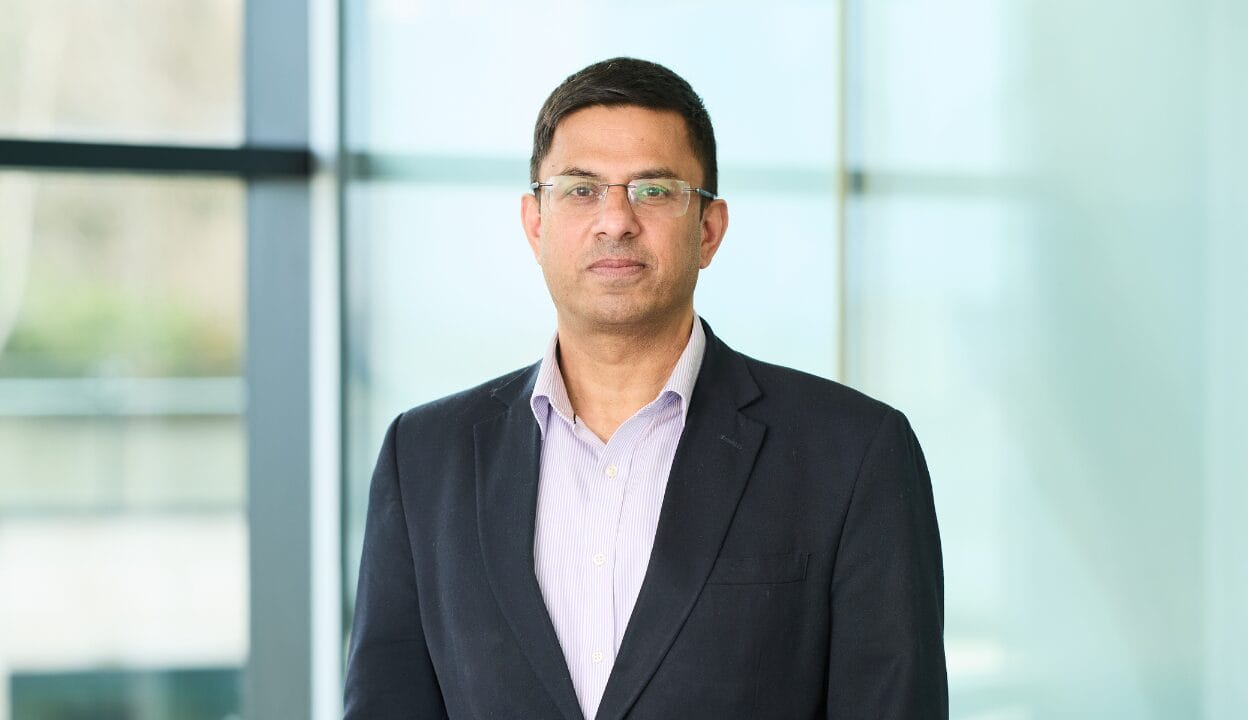
The A$38 billion ($40bn) AustralianSuper fund has made an active decision not to engage in formal strategic rebalancing, instead looking to a dynamic allocation of assets, chief investment officer, Mark Delaney (pictured), explains.

In the past year the allocation of AustralianSuper’s assets to equities has fluctuated by 20 per cent, from the low 60 per cent range to the low 40s.

The fund looks at its asset allocation every month, forced to make an active decision just based on cashflow. Its contributions (because of the mandatory nature of the Australian pension system) are $266 million a month, about 10 per cent a year.

“So we can move the portfolio just by allocating cashflow,” chief investment officer, Mark Delaney, says. “But we don’t believe in long-term strategic asset allocation set-and-forget.”

The fund conducts a strategic asset allocation review each year, which is about setting a target on where it wants to get to at the end of the financial year (June year-end).

That was set at 54 per cent in listed equities but the dynamic nature of the allocations is reflected in the fact that has now increased to 57 per cent based on the outlook for equities improving.

Sponsored Content

“We are about building long-run retirement savings, and can’t do that without growth assets. How we control volatility is the thing we focus on. We have a lot of diversification and unlisted is a big part of that. We also try to actively manage our equities exposure to reduce it in periods of higher risk/volatility in markets.”

Australian Super was an early adopter of infrastructure investing, and now also has a significant exposure to the asset class offshore.

“These businesses are large-scale, low beta, very steady business and revenue flows, and low-growth. They are often long-term contractual arrangements with high revenue and don’t require management ability to change the outcome of the business. The only risk you have is paying too much or over gearing, which has been the experience of many investors.”

AustralianSuper has some specific characteristics it screens for in infrastructure:

  • A strong competitive position
  • Good physical infrastructure that does not need a lot of money
  • Volume growth
  • Contracted rather than price-taking revenue streams
  • Affordable price and not excessive gearing


By their nature, Delaney says infrastructure characteristics are more palatable in a developed than an emerging market. This was supported by a study on China property and infrastructure the fund did about 18 months ago.

“Prices are not particularly cheap. You are betting on the China growth story and we thought we would play that through listed assets,” he says.

Expansion into Asia is one of the fund’s strategic investment themes.

It has separate emerging markets mandates, and Asia makes up about half of this exposure, as well as incorporating it into global equities. Delaney says he is looking to hire an Asian strategist, who will bring a macro overview to the fund, with individual asset class skills to supplement that.

It has undergone some recent staff changes, with the fund recently hiring a new head of infrastructure and is close to filling the head of equities position.

There are currently 30 internal investment staff but Delaney is “rethinking” the fund’s resourcing.

“As the fund has grown in the past 10 years the amount and type of resourcing has been changing. We are looking at the framework we need for if we double in size in the next five years. What’s the framework we need if we are an $80 billion fund. It takes a few years to get people to be adding value to the portfolio.”

AustralianSuper has 16 investment options, and the balanced fund is the default.

The strategic asset allocation of the balanced option is:

Australian shares 45 per cent; international shares 20 per cent; direct property 12 per cent; private equity 4 per cent; fixed interest 11 per cent; infrastructure 14 per cent; absolute return strategies 0 per cent; and cash 5 per cent.


Asset Owner:AustralianSuper

One response to “AustralianSuper looks to dynamic allocations”

  1. This makes perfect sense. Investment decision need to be re-assessed from time to time especially in this changing world now. This is the active monitoring system that we should learn in Hong Kong MPF system.

Leave a Comment

The Austin advantage: Texas Teachers talks optimism, innovation and growth

The Austin advantage: Texas Teachers talks optimism, innovation and growth

Jase Auby, TRS's celebrated CIO, explains why TPA doesn't fit with its culture; why community push back on data centres could turn out to be an investor advantage, and argues the case for continuing to invest in fossil fuels. Top1000funds.com sat down with the CIO in his Austin office for an all-encompassing conversation.

Sort content by

Florida SBA’s venture adventure

The Florida State Board of Administration’s (SBA) commitment to venture capital over many decades has been a contributor to the fund's performance. Last year the team had 340 meetings and calls, reviewed 109 funds, carried out due diligence on 26 and invested in three. Successful IPOs and SPACs, plus realisations from investments made in 2013/14, have led to a standout performance.

Finding alpha: Church Commissioners outperform

The £9.2 billion portfolio managed for the Church Commissioners for England has returned 9.7 per cent over 10 years through a focus on sustainability and a willingness to try things early, such as forestry and venture capital. Amanda White spoke to CIO Tom Joy about where the fund looks for alpha and the need for a non-traditional allocation.

CalSTRS outperforms in every asset class

CalSTRS outperformed its custom benchmark in every single asset class  to deliver a historic fund performance of 27.2 per cent for the year. Amanda White spoke to CIO, Chris Ailman.

Energy opportunities dry up at TRS

The $160 billion Teacher Retirement System of Texas (TRS) has a long and celebrated prowess when it comes to investing in energy yet enduring underperformance in the asset class was a key focus during a recent board meeting.

CalPERS’ board mulls CIO hunt ahead

A detailed analysis of the largest 100 asset owner CIOs, plus a wishlist of characteristics and skills of the right candidate were front and centre of the latest CalPERS board meeting as the fund still searches for a permanent CIO.

Cbus Super delivers lower fees, higher returns

The past year has seen Cbus Super bolster its team and systems - adding to its internalisation of investments - continue down the journey of fee reduction and deliver the best return of the fund’s 37-year history. Amanda White spoke to CIO, Kristian Fok.

Previous