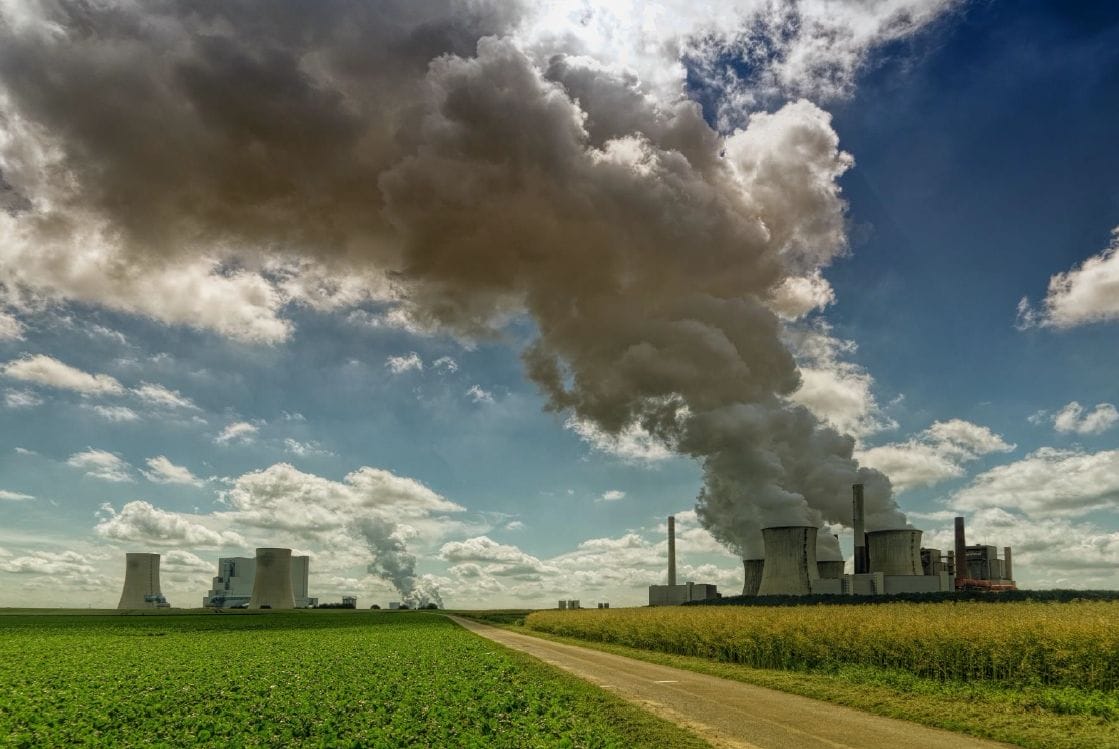
COVID-19 fiscal recovery packages

The COVID-19 crisis is likely to have dramatic consequences for progress on climate change. Imminent fiscal recovery packages could entrench or partly displace the current fossil-fuel-intensive economic system. Here, we survey 231 central bank officials, finance ministry officials, and other economic experts from G20 countries on the relative performance of 25 major fiscal recovery archetypes across four dimensions: speed of implementation, economic multiplier, climate impact potential, and overall desirability. We identify five policies with high potential on both economic multiplier and climate impact metrics: clean physical infrastructure, building efficiency retrofits, investment in education and training, natural capital investment, and clean R&D. In lower- and middle-income countries (LMICs) rural support spending is of particular value while clean R&D is less important. These recommendations are contextualised through analysis of the short-run impacts of COVID-19 on greenhouse gas curtailment and plausible medium-run shifts in the habits and behaviours of humans and institutions.

Click here to read the full paper
Sponsored Content

Leave a Comment

China ESG risk: the next unknown

China ESG risk: the next unknown

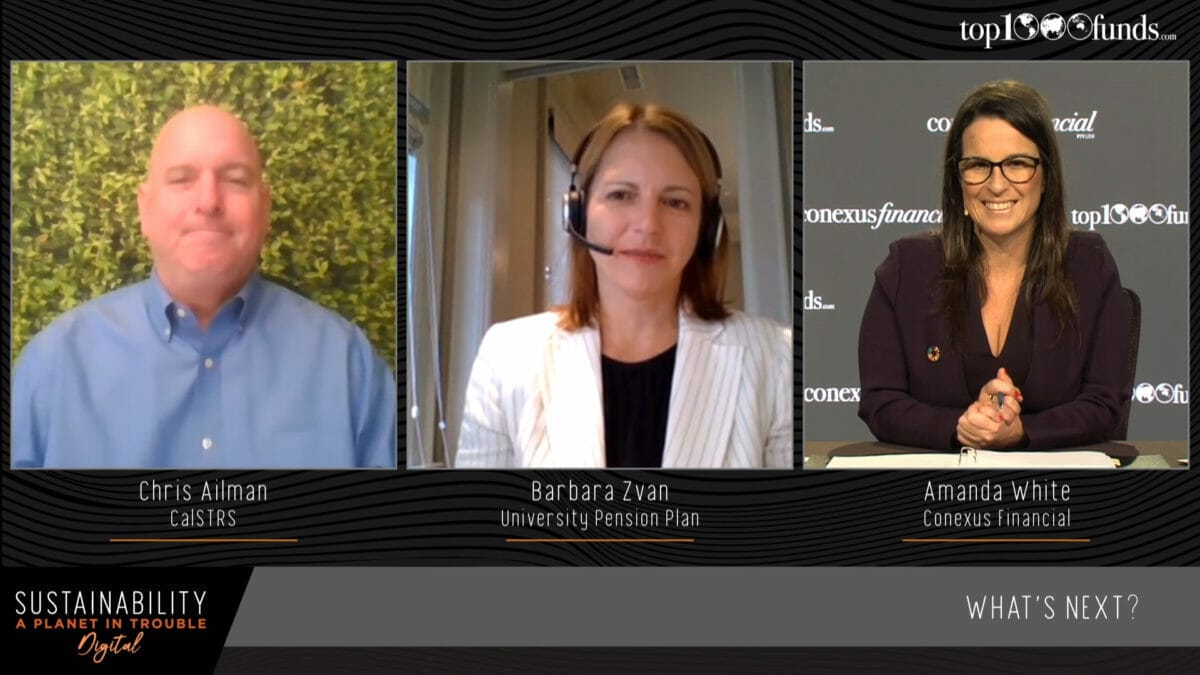
One of the most important, upcoming challenges at CalSTRS is how the fund should evaluate Chinese investments from a human capital and environmental standpoint, says Chris Ailman, chief investment officer at the giant pension fund.

Sort content by

What’s next?

What is required for all investors to use their influence to create a more sustainable economy, and to wake up to the crucial role they play in ensuring a sustainable recovery?

Holistic and lasting sustainability

What is sustainability if not the ability to exist into the future? In this context how sustainable are institutions, organisations, communities and politics and what will the future actually look like?

Understanding complex systems

The climate emergency is so large it requires a rewiring of the whole economic and financial system. But to do this new risk models are required and old paradigms must be abandoned to make way for a better way of understanding complex systems.

The SDGs in action

This session looks at case studies of how investors are using SDGs to shape a view of the future and incorporating that into an investment framework.

In conversation

In this intimate conversation, Paul Polman, SDG ambassador and chair of IMAGINE, discusses the importance of leaders accelerating corporate responsibility efforts.

A company and investor engagement story

This session takes a deep dive into the sustainability lens from a large corporate view and how investors and corporates are working together to create lasting impact.

Previous




