
Building back better

For the economic recovery from the COVID-19 crisis to be durable and resilient, a return to ‘business as usual’ and environmentally destructive investment patterns and activities must be avoided. Unchecked, global environmental emergencies such as climate change and biodiversity loss could cause social and economic damages far larger than those caused by COVID-19. To avoid this, economic recovery packages should be designed to “build back better”. This means doing more than getting economies and livelihoods quickly back on their feet. Recovery policies also need to trigger investment and behavioural changes that will reduce the likelihood of future shocks and increase society’s resilience to them when they do occur. Central to this approach is a focus on well-being and inclusiveness. Other key dimensions for assessing whether recovery packages can “build back better” include alignment with long-term emission reduction goals, factoring in resilience to climate impacts, slowing biodiversity loss and increasing circularity of supply chains. In practice, well-designed recovery policies can cover several of these dimensions at once, such as catalysing the shift towards accessibility-based mobility systems, and investing in low-carbon and decentralised electricity systems.

Click here to read the full report

Sponsored Content

Leave a Comment

China ESG risk: the next unknown

China ESG risk: the next unknown

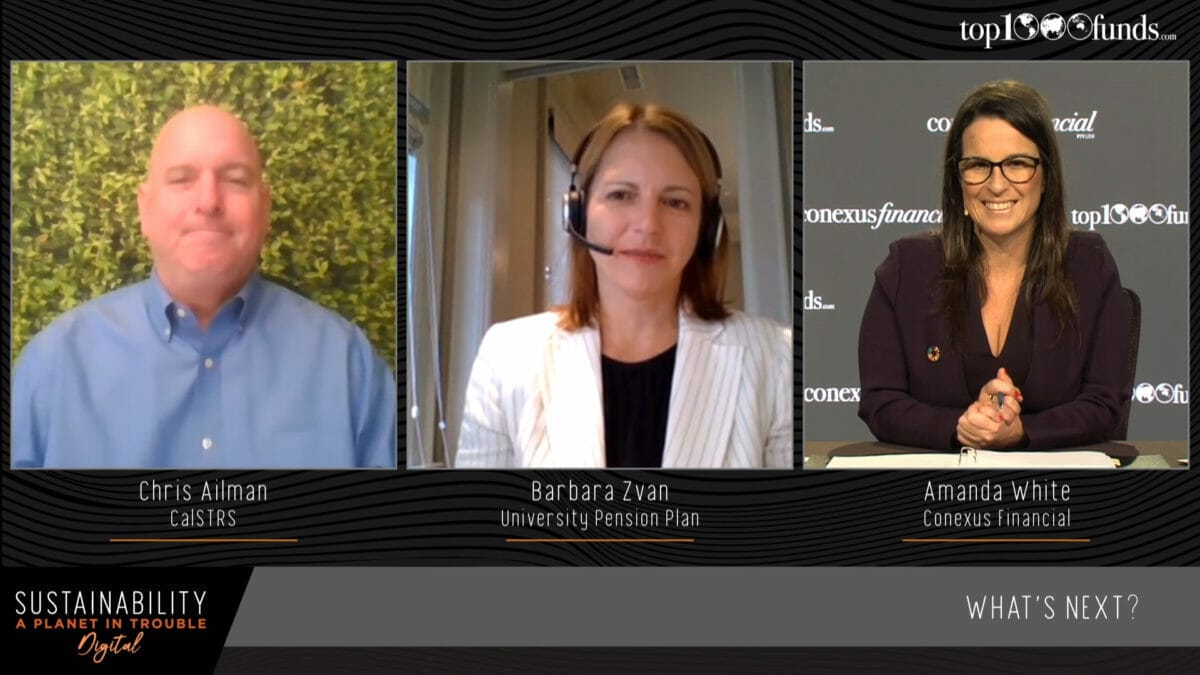
One of the most important, upcoming challenges at CalSTRS is how the fund should evaluate Chinese investments from a human capital and environmental standpoint, says Chris Ailman, chief investment officer at the giant pension fund.

Sort content by

What’s next?

What is required for all investors to use their influence to create a more sustainable economy, and to wake up to the crucial role they play in ensuring a sustainable recovery?

Holistic and lasting sustainability

What is sustainability if not the ability to exist into the future? In this context how sustainable are institutions, organisations, communities and politics and what will the future actually look like?

Understanding complex systems

The climate emergency is so large it requires a rewiring of the whole economic and financial system. But to do this new risk models are required and old paradigms must be abandoned to make way for a better way of understanding complex systems.

The SDGs in action

This session looks at case studies of how investors are using SDGs to shape a view of the future and incorporating that into an investment framework.

In conversation

In this intimate conversation, Paul Polman, SDG ambassador and chair of IMAGINE, discusses the importance of leaders accelerating corporate responsibility efforts.

A company and investor engagement story

This session takes a deep dive into the sustainability lens from a large corporate view and how investors and corporates are working together to create lasting impact.

Previous