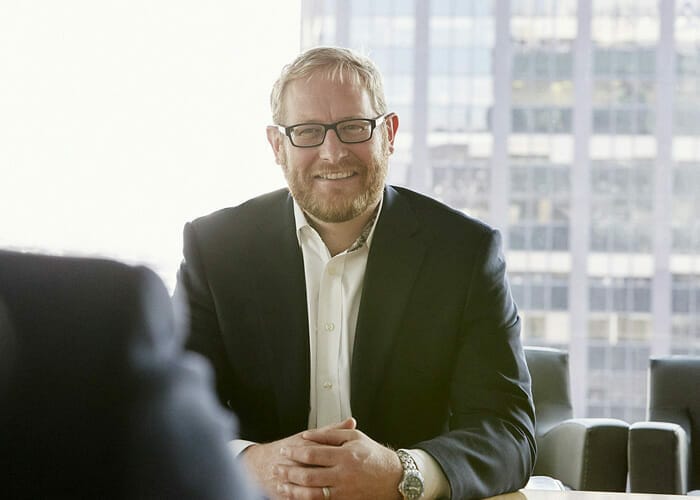
Whineray takes the reins at NZ Super

New Zealand Super has appointed Matt Whineray chief executive, a role he’s been acting in since March.

Whineray joined the organisation 10 years ago as general manager of private markets; since 2014, he has been chief investment officer of the Guardians, the Crown entity charged with managing the investment of the NZ$38 billion NZ Super ($26.3 billion).

Whineray replaces Adrian Orr, the fund’s long-time chief executive who last year became the new governor of the Reserve Bank New Zealand.

NZ Super chair Catherine Savage says Whineray was the stand-out amid a high-quality field of international applicants.

“He has been instrumental in the Guardians’ successes over the last decade and is recognised globally as a leader in institutional investment,” Savage says. “The board has the utmost confidence in his leadership ability, intelligence and integrity.

“The board looks forward to seeing the NZ Super Fund continue to exemplify investment best practice and create value for taxpayers.”

Sponsored Content

In accepting the top role at NZ Super, Whineray thanked the board for its confidence in him and said he was delighted to take the leadership position.

“The NZ Super Fund is one of the most exciting places to work in institutional investment globally and I am looking forward to the challenge immensely,” Whineray says.

Whineray will take on his role in July. A new chief investment officer has not yet been announced.

NZ Super has most of its money invested internationally, with $30 billion in global markets and $5 billion in New Zealand across industries such as agriculture, farming, banking and aged care.

The fund’s one-year return was 20.7 per cent at the end of the 2017 financial year, with 4.37 per cent added above the passive reference portfolio benchmark. The fund’s 10-year return is 8.63 per cent and since inception it has returned 10.22 per cent.

For more stories on New Zealand Super click here 

Leave a Comment

Sort content by

Adding value through risk allocations

2013 was a great year to add value by using risk to assign asset allocation, according to chief investment officer of Windham Capital, Lucas Turton, whose fund added 300 basis points above benchmark last year by dynamically allocating according to risk.   Windham Capital Management’s style is to focus on measuring and understanding risk to

Alternatives increase as investors manage to outcomes

Investor allocations to alternatives will increase over the next three years as the focus on outcome-oriented investments heightens, according to respondents in the annual conexust1f.flywheelstaging.com /Casey Quirk Global Fiduciary CIO sentiment survey. The second annual survey, which included respondents from 56 asset owners with combined assets of $3 trillion, showed an accelerating trend to moving

Organisational change: asset owners 2.0

A key ingredient for success in any organisation is strong leadership. It is common in the corporate world for the chief executive to change every five to 10 years as the organisation evolves. Are the same principles true for large institutional investors?     Roger Urwin, global head of investment content at Towers Watson, who

The rise of the foreign trustee

Which developed world pension fund will become the first to have a Chinese national sit on its board? The debate on board diversity has focused on gender, race and age, but in future it could extend to having representatives of the countries your fund would most like to invest in. As funds travel along the

Economic growth outlook positive but integrity needs work

The outlook for economic growth this year is markedly positive, compared to last year, but capital market integrity is not improving, according to the opinions of more than 6,000 CFA Institute members. The CFA Institute global markets sentiment survey, measures the views of its members on market integrity and economic issues. This year’s survey, which

World Economic forum identifies global risks

The World Economic Forum’s 2014 Global Risk report, has implications for investors.   The report, released ahead of next week’s meeting in Davos, highlights how global risks are not only interconnected by also have systemic impacts. The risks were broken down into economic, environmental, geo-political and social. The seven economic risks were: fiscal crises in

Previous




