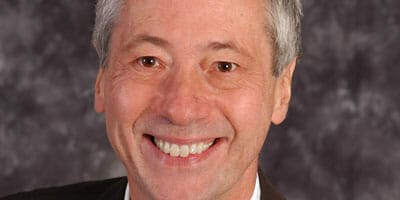
State Street’s Probyn into 2013

The current equity rally is not predicated on a shift in economic performance, according to chief economist at State Street, Chris Probyn, who says it would be reasonable to say the market may “pause for thought”.

Probyn says the move from fixed income to equities has been fostered by some of the “economic areas for concern” being eliminated.

These include the avoidance of a hard landing in China, and a disorderly breakup of the euro, proactive policy responses in Japan and the avoidance of the US fiscal cliff.

“These have all been ticked off,” he says. “But still growth is not great. The fourth quarter earnings reports have been good, with the notable exception of Apple, so there is some fundamental support for equities. But there is no fundamental upshift, so the size and speed of the rally is a little surprising.”

Probyn’s outlook for 2013 is for 0.25 per cent global growth, driven by a 0.5 per cent growth in emerging markets.

His economic outlook for developed markets is zero growth, which he partly attributes to fiscal policy decisions.

Sponsored Content

“We have reinvented economics, when the economy is weak we stop government spending, it is a failure of policy and we are repeating the mistakes of the 1920s,” he says.

Probyn also attributes the equity rally to a certain psychological behaviour.

“People have worry fatigue, they are tired of worrying about the same things,” he says.

State Street doesn’t have a big economics department, three people in fact. One emerging markets specialist plus two who look at the G8, defined as the G7 plus Australia (because of State Street’s presence in that country).

Probyn believes that in order to understand certain asset classes there needs to be an understanding of the global economic story, such as the relationship between resources and China.

He admits that for most economists it is difficult to predict exact growth numbers, but it’s more important to get “the overall story right”. Last year that overall story was further growth moderation, and that is the outlook for 2013 as well.


 

Leave a Comment

Sort content by

CIC expands portfolio with major investment bank stake

The China Investment Corporation (CIC) is having its domestic portfolio boosted through the transfer of the 43.5 per cent stake in China International Capital Corp (CICC), the country’s largest investment bank, by it’s state-controlled brokerage firm, China Jianyin Investment Securities.mrec4inarticleinline Sponsored Content scnative1 scnative2 scnative3

Real estate and infrastructure shine in private markets

Real estate and infrastructure are attractive investments in the private markets space, but individual investment selection has become more important in private equity and debt, according to the latest major analysis by global private markets investment management firm Partners Group.mrec4inarticleinline Sponsored Content scnative1 scnative2 scnative3

China’s greening attracting more investment

China is stepping up its clean energy drive, both through a reduction of its own emissions and by becoming the biggest supplier of some clean-energy equipment in the world. Picture (courtesy China Daily) shows cooling towers being demolished with explosives amid efforts to reduce emissions in Zoucheng, East China’s Shandong province, last week.mrec4inarticleinline Sponsored Content

Multi asset class products the winners in Europe: survey

Multi-asset class and alternative investments, particularly unleveraged absolute return funds will attract the highest inflows in Europe over the next few years, according to a survey which also reported groundswell support for more shareholder engagement.mrec4inarticleinline Sponsored Content scnative1 scnative2 scnative3

European shocks strike Norway fund

The world’s second largest sovereign wealth fund, Norway’s Government Pension Fund Global, has experienced a material effect of the European sovereign debt challenges, a region where it holds more than half its equity holdings, and the BP oil spill.mrec4inarticleinline Sponsored Content scnative1 scnative2 scnative3

How your hedge funds make money

Outspoken hedge fund manager, Cliff Asness, says breaking down the sources and challenges to manager performance will determine how investors should pay for alpha.mrec4inarticleinline Sponsored Content scnative1 scnative2 scnative3

Previous



