

When I began my career, the overwhelming preponderance of the defined benefit pension system meant that employers were responsible for planning for retirees, but the rise of defined contribution programs has pushed these savings and investment decisions to employees.
This brings new challenges; investing can be daunting for those without specialist knowledge, nobody can know for sure exactly how much they need to save for their retirement, and living for longer means most of us will have to continue managing our investments well beyond retirement. While these challenges warrant their own discussion, I want to focus on the empowerment of current savers, who have an opportunity to use responsible investment to influence the industry and maybe even the world they retire into.
Seizing this opportunity requires us all to ask two questions:
- ‘What sort of world do I want to retire into?’
- ‘How can I save or invest in a way to achieve that?’
The first question is subjective and multi-faceted. I hope for a healthy and financially secure retirement, as do most individuals around the world. But I also hope to retire into a world in which the most pressing issues of our time such as climate change, social inequalities and environmental degradation, are being addressed.
In short I hope that the world becomes a “better place” than it is today – or at the very least, no worse. My vision may not match yours, but I suspect that many of us haven’t figured out precisely what a ‘better place’ looks like to each of us; doing so is vital if we want to answer my second question.
For around 10 years now, my colleagues and I have been asking investment managers how they assess and incorporate ESG (environmental, social and governance) considerations into their investment process. One of the most important lessons we’ve learned is that there is no one right way to invest sustainably, as Mercer’s Investing in a Time of Climate Change report reveals, and there can be a great deal of moral complexity even around seemingly simple issues.
Take bottled water, for example. The use of plastic bottles is an environmental concern for many. However, it remains an incredibly effective method of delivering water to those in dire need following crises or in times of severe water scarcity, making it a positive good from a humanitarian perspective. As a result, disinvesting may not be the best course of action. What we see many investment managers doing instead is choosing to engage with companies to take action in other ways, such as reducing the amount of plastic used in each bottle and reducing the toxicity of bottles by increasing the use of bioplastics.
Whether you are an individual or a large multi-national institutional investor, you probably don’t have the time (and maybe not the expertise) to weigh every issue, so this has to be delegated to another trusted body. But to whom?
Investment managers already (often without knowing) weigh the consequences of the investments they make on the world around us. There is great opportunity for them to clearly state their values and invest accordingly – the United Nations Sustainable Development Goals have provided a starting point and are a framework used by many.
I believe that investment opportunities viewed solely through a return-making lens carry additional risk for long-term investors and that we need to think more broadly. If you’re investing in something for the next 25 years, would you choose to invest in fossil fuels?
If investors want to shape the world they retire into, they need to exercise their power as consumers through careful choice. This could be as simple as selecting investments with a genuinely long-term focus – turnover rates and holding periods are informative for this assessment – and working with investment managers whose values align with their own.
Investing in this way doesn’t mean accepting lower investment returns – financial security in retirement rightly remains the primary objective – but appreciating how the way we invest could shape the world in decades to come makes it more likely that we can all retire into the world we want.
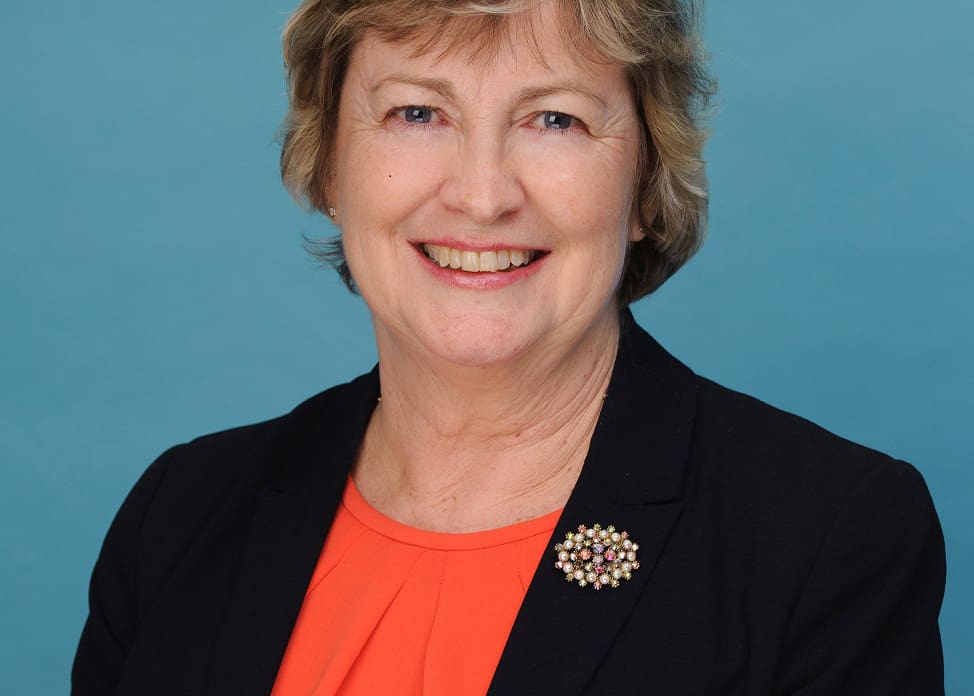
Deb Clarke is global head of investment research at Mercer








Leave a Comment
You must be logged in to post a comment.
Login