
Investing in the world we want

Deb Clarke

When I began my career, the overwhelming preponderance of the defined benefit pension system meant that employers were responsible for planning for retirees, but the rise of defined contribution programs has pushed these savings and investment decisions to employees.

This brings new challenges; investing can be daunting for those without specialist knowledge, nobody can know for sure exactly how much they need to save for their retirement, and living for longer means most of us will have to continue managing our investments well beyond retirement. While these challenges warrant their own discussion, I want to focus on the empowerment of current savers, who have an opportunity to use responsible investment to influence the industry and maybe even the world they retire into.

Seizing this opportunity requires us all to ask two questions:

  1. ‘What sort of world do I want to retire into?’
  2. ‘How can I save or invest in a way to achieve that?’

The first question is subjective and multi-faceted. I hope for a healthy and financially secure retirement, as do most individuals around the world. But I also hope to retire into a world in which the most pressing issues of our time such as climate change, social inequalities and environmental degradation, are being addressed.

In short I hope that the world becomes a “better place” than it is today – or at the very least, no worse. My vision may not match yours, but I suspect that many of us haven’t figured out precisely what a ‘better place’ looks like to each of us; doing so is vital if we want to answer my second question.

For around 10 years now, my colleagues and I have been asking investment managers how they assess and incorporate ESG (environmental, social and governance) considerations into their investment process. One of the most important lessons we’ve learned is that there is no one right way to invest sustainably, as Mercer’s Investing in a Time of Climate Change report reveals, and there can be a great deal of moral complexity even around seemingly simple issues.

Sponsored Content

Take bottled water, for example. The use of plastic bottles is an environmental concern for many. However, it remains an incredibly effective method of delivering water to those in dire need following crises or in times of severe water scarcity, making it a positive good from a humanitarian perspective. As a result, disinvesting may not be the best course of action. What we see many investment managers doing instead is choosing to engage with companies to take action in other ways, such as reducing the amount of plastic used in each bottle and reducing the toxicity of bottles by increasing the use of bioplastics.

Whether you are an individual or a large multi-national institutional investor, you probably don’t have the time (and maybe not the expertise) to weigh every issue, so this has to be delegated to another trusted body. But to whom?

Investment managers already (often without knowing) weigh the consequences of the investments they make on the world around us. There is great opportunity for them to clearly state their values and invest accordingly – the United Nations Sustainable Development Goals have provided a starting point and are a framework used by many.

I believe that investment opportunities viewed solely through a return-making lens carry additional risk for long-term investors and that we need to think more broadly. If you’re investing in something for the next 25 years, would you choose to invest in fossil fuels?

If investors want to shape the world they retire into, they need to exercise their power as consumers through careful choice. This could be as simple as selecting investments with a genuinely long-term focus – turnover rates and holding periods are informative for this assessment – and working with investment managers whose values align with their own.

Investing in this way doesn’t mean accepting lower investment returns – financial security in retirement rightly remains the primary objective – but appreciating how the way we invest could shape the world in decades to come makes it more likely that we can all retire into the world we want.


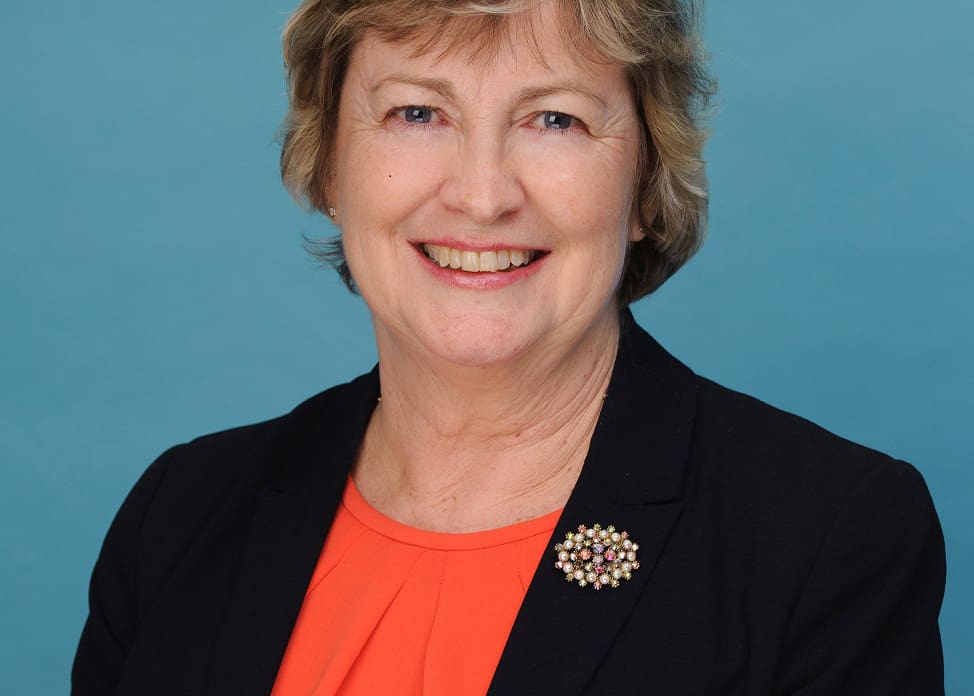
Deb Clarke is global head of investment research at Mercer


Leave a Comment

La Caisse’s oil exit pays off as renewables portfolio pulls ahead of fossil fuels

La Caisse’s oil exit pays off as renewables portfolio pulls ahead of fossil fuels

Divesting from the oil sector has been a boon for La Caisse’s performance, as the Canadian pension giant says its energy investments have earned billions in value-add compared to the benchmark since the inception of its climate strategy. Head of sustainability Bertrand Millot unpacks the fund’s approach in an interview with Top1000funds.com.

Sort content by

PRI slashes reporting burden to preserve code relevance among signatories

The Principles for Responsible Investment will reduce signatories’ responsibilities in their annual mandatory reporting from 240 questions to just 40 next year. The outgoing PRI chief David Atkin explains the move and why asset owners have a big role in stabilising the discussion around responsible investment. 

Climate politics: BlackRock hits back at NYC Comptroller

The skirmish between the New York City Comptroller and BlackRock over climate alignment of the city’s public pension funds – a fight worth a $42 billion mandate to BlackRock – highlights the complexity and impracticality of aligning climate expectations, reporting requirements and business imperatives.

Resilience: Abdicating from transformational change?

Will the relentless pursuit of efficiency undermine our ability to build a resilient and sustainable future? Andrea Caloisi, a researcher at the Thinking Ahead Institute at WTW, explores how complex systems, driven by short-term optimisation, may be fuelling long-term fragility.

Wisdom: The jewel in the dirt-pile of intelligence

In his regular column for Top1000funds.com, Tim Hodgson, co-founder of the Thinking Ahead Institute at WTW, reflects on the dangers of unconstrained action, the limits of efficiency, and why long-term sustainability may depend on knowing when not to act.

Are we waiting for a superhero to save our world?

Can climate inaction be reversed, or will we keep waiting for someone else to act? Jessica Gao, researcher at the Thinking Ahead Institute at WTW, explores how individuals, investors, and companies can step up to lead the transition - before it's too late.

The efficiency trap

Will the relentless pursuit of efficiency undermine our ability to build a resilient and sustainable future? Andrea Caloisi, a researcher at the Thinking Ahead Institute at WTW, explores how complex systems, driven by short-term optimisation, may be fuelling long-term fragility.




