
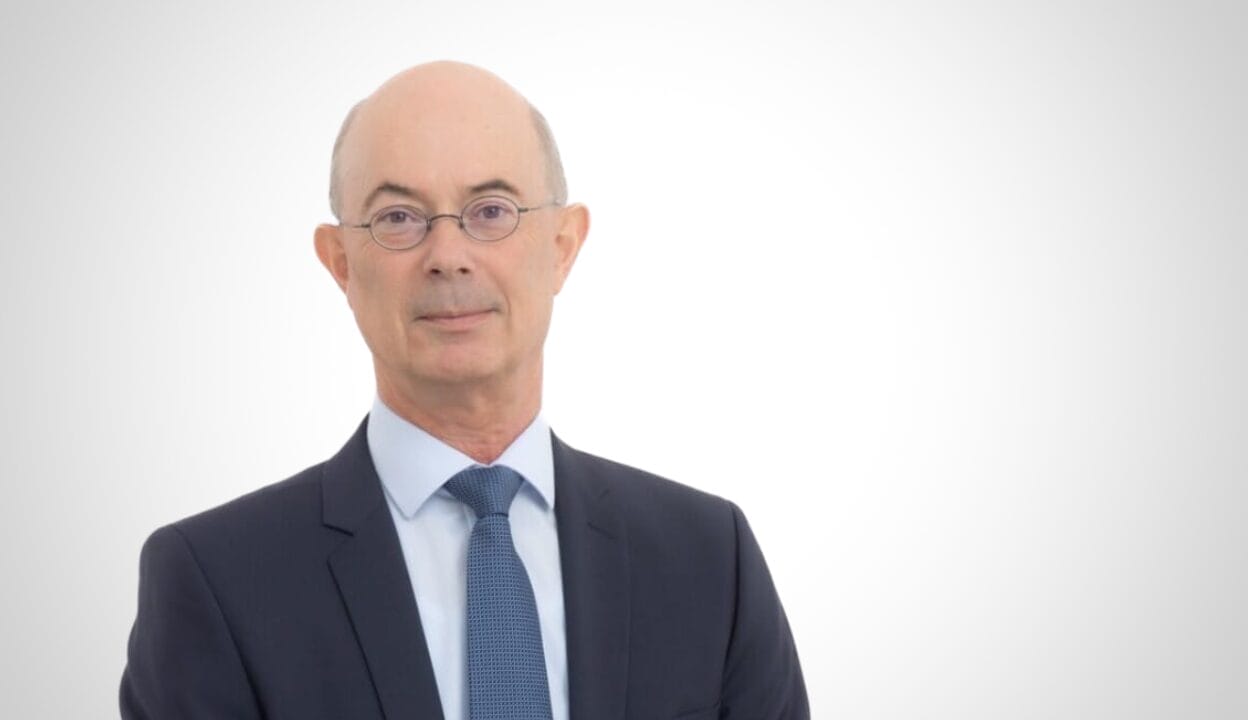

Günther Schiendl, chair of the board of VBV-Pensionskasse, Austria’s €9.5 billion ($10.8 billion) multi-employer pension fund founded 35 years ago, is restructuring the fund so younger beneficiaries can have more risk exposure.
It has involved shaping a new investment strategy that allows young savers to have a larger equity allocation and exposure to more dynamic pension fund strategies. The wordy-titled ‘pension lifecycle investment optimisation process’ encapsulates a key challenge for Austria’s homogenous pension funds.
“The investment strategy for a 30-year-old person should be different to the strategy for a retired person aged-70,” Schiendl tells Top1000funds.com. “Historically, pension plans in Austria have placed young and old people in the same asset pool which means finding an optimal investment strategy is very hard because of the inherent differences between these beneficiaries’ risk capacity and time horizons, and we are tyring to sort it out.”
Earlier this year, VBV introduced an opt-out lifecycle model to target younger employees that allows these savers to invest up to 60 per cent of the pension fund in equity. VBV runs six investment strategies across specific asset pools with varying degrees of risk. On average, around 35-40 per cent of a particular asset pool will be in global equities but this now spikes much higher in the opt-out model, or as low as 5 per cent for those in retirement.
“The younger generation need more risk; they need higher risk early on that builds up capital,” he says, pointing to last year’s different returns of 6 per cent from the defensive asset pool but more than twice as much from more dynamic strategies.
Other pool assets comprise real estate (around 5 per cent, and mostly European), infrastructure equity ( 7-8 per cent) and private debt (10-20 per cent). The remainder is in fixed income, divided between government bonds (mostly European, but some emerging markets) and corporate bonds.
But introducing and nurturing interest in a new member-oriented structure focused on the individual plan member comes with challenges. Schiendl explains that it requires understanding and co-operation with human resource departments at the plan sponsors and council representatives, and engaging a younger generation that doesn’t tend to spend much time thinking about their pension pot.
But he is encouraged by a new generation coming into leadership roles at corporate sponsors which is enabling discussion around pension fund design and life cycle investment.
“It’s a development that is appreciated as it will enable us to build better investment strategies. But it takes time, and sometimes it can be more complex than anticipated.”
Pause in private equity rollout but private debt a haven of stability
Progress introducing other changes to the portfolio has recently ground to a halt. VBV had been exploring developing an allocation to private equity, motivated by the fact that private equity funds take some of the best small-cap companies away from the listed market. However, the Trump administration’s rollout of sweeping tariffs on imports and retaliatory measures from trading partners around the world has given VBV fresh reason to pause.
“The economic effect of tariffs will be felt in companies’ value chains and doing business will become more expensive for many companies. We have decided to observe how this will play out because a lot of companies will struggle to adapt,” he says.
In contrast, Schiendl enthusiastically endorses the private debt allocation. It has delivered a stable six per cent return since it was established in 2016, steadfastly weathering volatility triggered by the pandemic and more recently, Trump’s tariff and trade policies.
“So far this has really been a haven for stability,” he says.
The allocation also allows younger plan members to tap a valuable illiquidity premium. Strategy distinguishes between different degrees of liquidity provided on the one hand by the private debt fund and on the other, the liquidity that sits within the fund.
The loans that sit in a typical private debt portfolio have an economic life of between three to four years, which is shorter than the product that investors buy that has a lifetime of seven to eight years and is less liquid, he explains.
“Investors commit to a fund and then re-commit if the manager is good, so there is a turnaround.”
In this way, it’s possible to fit a less liquid structure to younger plan members who have room for less liquid instruments. The portfolio also seeks to reduce interest rate and duration risk to help earn stable returns no matter what happens to interest rates, he says.
Infrastructure equity
The infrastructure allocation is focused on infrastructure equity and Schiendl particularly likes opportunities in sustainable energy provision, as well as toll roads and digital infrastructure. Investments are made depending on the location, business case and regulatory risk. He favours working with asset managers that truly understand pension investment.
“We particularly favour asset managers that have founded their own business after spinning out of pension funds because of the alignment of interest – they have a better understanding of the needs and requirements of pension funds.”
The pension fund has between 30-40 external managers. The roster has grown most in infrastructure and private debt, where VBV works with around 8-10 managers. An in-house investment team oversees the bond allocations which includes single security selection, asset allocation and risk management. VBV uses specialist external managers to invest in emerging market and high yield bonds.
VBV invests in equity index funds and ETFs. Sustainability is integrated via Paris-aligned indices in equities and bonds, and every infrastructure manager must integrate sustainability.
“We have had years when the Paris-aligned index has had a lower investment performance than the traditional index and years when it has had a higher performance. Over the long-term, the difference is small and should also be viewed in the beneficial effects this strategy has on society and climate,” he says.








Leave a Comment
You must be logged in to post a comment.
Login