
Under-priced climate risk plagues pension portfolios

Climate risk remains systematically under-priced, the world isn’t on course to meet net zero and investors must prepare for the risks of climate and environmental change.

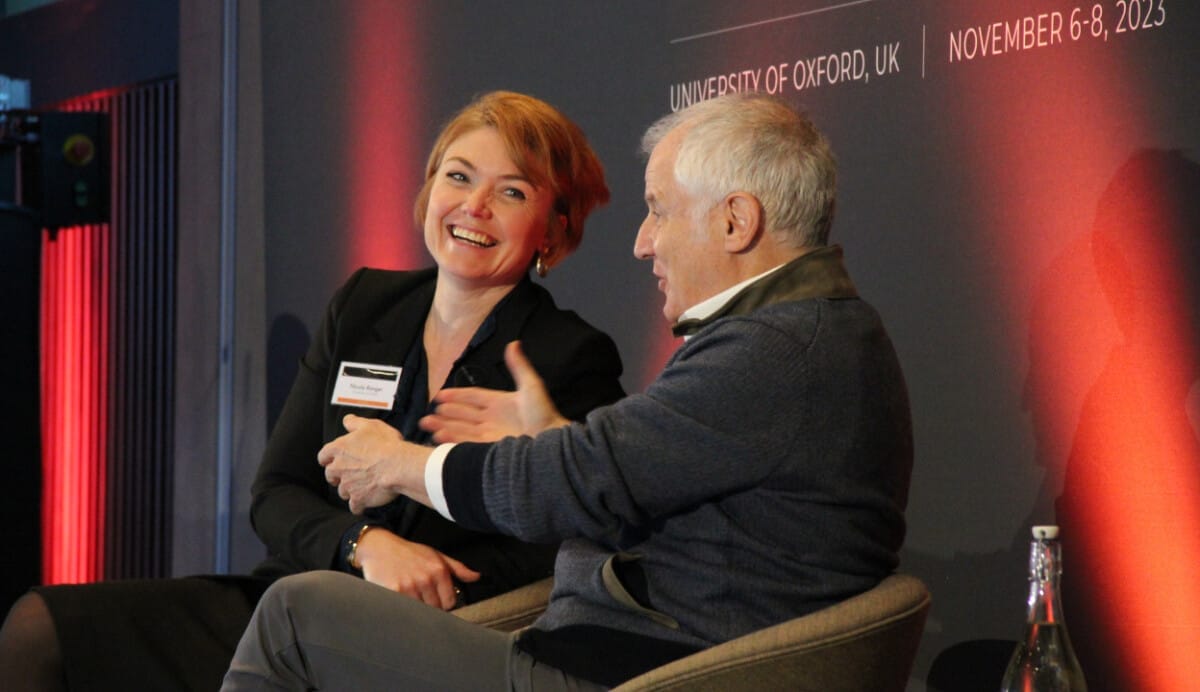
So warned Nicola Ranger, executive director of the Oxford Martin Programme on Systemic Resilience and a senior research fellow at the Institute for New Economic Thinking at Oxford Martin School, opening the second day of Sustainability in Practice at the University of Oxford. She said that climate risks are coming thick and fast, with a direct impact on assets, labour productivity, patterns in demand, supply chains and markets.

Ranger urged asset owners to re-evaluate climate risk and bring this analysis into their decision-making. For example, few asset owners report on the physical risk of climate change in their portfolio.

“Not managing this risk means the wider economy is not getting the economic signals it needs to create changes. Financial institutions need to price risk properly, and signal to the wider economy that it needs to adapt.”

If governments and countries meet all their pledges, she predicted global warming could be capped at 1.8 degrees, below the threshold for catastrophic tipping points. But she also described a much more pessimistic view based on progress to date and the fact global emissions keep climbing and still haven’t peaked. “We are not on course.”

The risks of climate change are already visible. For example, high temperatures is causing deaths, disrupting transport networks and leading to floods and drought as rainfall patterns change, impacting agricultural systems. She flagged implications for water-dependent industries and big increases in volatility of commodity prices. “Sixty percent of our food comes from five countries,” she said, predicting shocks to supply chains and impact on sovereign credit ratings.

Sponsored Content

Investors have a role to mobilize finance across geographies, countries, sectors, infrastructure and agriculture. But she warned that many investment decisions are not building resilience. For example, new infrastructure investment doesn’t always consider climate-related risk. “We are still building physical infrastructure that economies depend on, but we are not doing it in a way that is considering climate risk, risking both investors and society,” she said. Similarly, she flagged the much of the estimated annual $6 trillion invested in agriculture doesn’t consider future climate risks.

Ranger urged asset owners to take a holistic approach to managing risk and align their portfolios with resilience. They should ensure they “do no harm” and manage risk in their own portfolio to ensure it doesn’t create risks for society. For example, she said water companies have a significant impact on water scarcity.  Elsewhere she noted that data centres are exposed to climate risk like heat, and they are also water dependent. Adaption can bring returns from investing in new technology, but adaptation also incurs long term costs. For example, retrofitting buildings requires upfront investment.

“We, as a society, are mismanaging climate risk. We are putting insufficient emphasis on our safety and not properly valuing the impact of climate change or logging or exploitation of the soil. Many things doing that are impacting environment that are impacting on us.”

Leave a Comment

CalPERS’ public and private equity reset shapes performance

CalPERS’ public and private equity reset shapes performance

CalPERS is continuing to reap the benefits of a sweeping overhaul of its public and private equity programs, with the two asset classes, which are the biggest components in the portfolio, powering a 14.8 per cent return for the $637 billion fund in the last reporting period.

Sort content by

Catching up with reality: Investment beliefs need a rethink

Co-founder of the Thinking Ahead Institute, Tim Hodgson, thinks your investment beliefs are out of date. He says if they were written five or more years ago they aren’t grounded in a 2024 reality and inadequately consider climate risk and systems thinking, both essential for a modern day asset owner.

USS swings into surplus but flags re-think after Thames losses

USS says losses in Thames Water have led to deep reflection on how it will invest in regulated assets in the future, flagging the need for consistent regulation to support pension fund investment. As the fund celebrates its 50th year it records a surplus for the first time since 2008.

UK’s GMPF: Why institutional investors are pushing into the rental market

A chronic shortage of housing in the UK has resulted in long waiting lists for social housing and young people left priced out of ownership. The experience of the Greater Manchester Pension Fund, investing more in the sector, provides lessons for other investors in jurisdictions with a housing shortage.

Thailand’s GPF – where sustainability is more important than returns

Thailand’s GPF is a regional leader in ESG integration. Top1000funds.com talks to Man Juttijudata, responsible for GPF’s active investment and outsourced investments about the challenges – like how to treat EV companies – and how uses fund managers for nuanced assessment.

Texas Teachers’ growing pressure on hedge fund fees is working

TRS is pioneering efforts to change the fee structure in hedge funds. CIO Jase Auby says new fee models now apply to around two thirds of the pension fund's hedge fund relationships

GIC seeks discipline, diversification in ‘profound uncertainty’ ahead

Singapore’s sovereign wealth fund GIC is bracing for a period of “profound uncertainty” as the fund looks to rely on more “granular” diversification and maintaining price discipline to traverse the environment.

Previous



