


The $202 billion Texas Teachers is pioneering efforts to change the fee structure in hedge funds. Two thirds of its allocation is managed on a 1-or-30 structure and it is leading an industry-wide initiative, with more than 60 other asset owners, calling for cash hurdles in incentive fees. CIO Jase Auby says earning cash returns is not the reason institutional LPs invest in hedge funds.
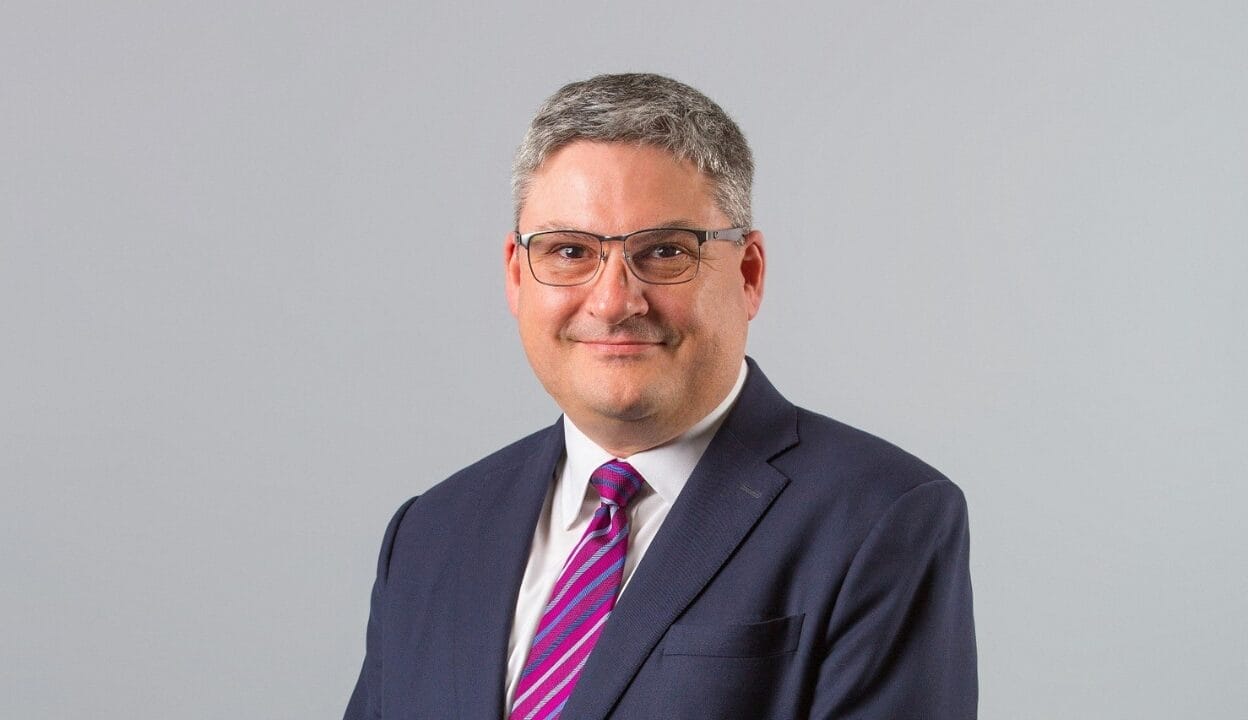
The $202 billion Teacher Retirement System of Texas (TRS) pioneering effort to transform hedge fund fees is gathering momentum, according to chief investment officer Jase Auby, speaking during the investor’s July board meeting.
He said that around two thirds of TRS’ hedge fund allocation is now managed on a new 1-or-30 model counting for around two thirds of the number of managers in the portfolio. TRS has been investing in hedge funds since 2001 and has around $20 billion in the allocation.
Earlier this year, the pension fund launched an industry wide initiative to advocate for cash hurdles in the calculation of hedge fund returns that included an open letter to the industry signed by 29 Limited Partners. This year’s push builds on an initiative dating from 2016 when former CIO Britt Harris first began advocating to move from a 2:20 structure to a new 1 or 30 model. [See a podcast conversation with Albourne CEO, John Claisse, on the innovative fee structure Are managers rewarded for fee alignment?).
Under a 2:20 structure hedge funds are paid a 2 per cent base fee and 20 per cent of the profit. TRS is advocating to lower the base fee to 1 per cent and “make it an or, rather than an and” 30 per cent of the profit. Under the model, TRS pays hedge fund performance fees only after managers meet an agreed upon hurdle rate. Managers can then earn whichever is greater – either a 1 per cent management fee or a 30 per cent cut of the alpha or performance after benchmark.
Auby said that over the years the initiative has been well received, but that was when cash was at zero per cent and so the concept of a cash hurdle was not as necessary as today. With cash currently up at 5.25 per cent approaching the industry again to put meaningful hurdles in place to better calculate hedge fund returns has been even more welcomed.
“We had 29 total signatories to our letter in May, now this is up to 60 and we’ve also received numerous calls (double than that amount) from others that are similarly inclined rooting us on anonymously,” he said.
The TRS portfolio is divided between (54 per cent) global equity (22.3 per cent) stable value including government bonds, absolute return and stable value hedge funds ( 21.6 per cent) real return and (7.3 per cent) risk parity with remainder in cash.
Introducing new fee structures takes time
However, Auby cautioned that introducing new fee structures takes time.
“We approach the ones that have had the worst performance recently first because they are the most amenable. As we go through the cycle we will approach others.”
Auby explained how the cash component is the preferred return. For a long only large cap manager the SP&P500 is the risk appropriate benchmark. For hedge funds which are not supposed to have any residual market risk, he said the risk adjusted return should therefore be cash.
“We are approaching the industry and advocating for a cash hurdle and the risk appropriate hurdle,” he said.
His comments are echoed in the industry letter, published in May, which stated how hedge funds may collect significant incentive fees based solely on skill-less returns generated from short rebate, securities lending, or unencumbered cash.
“These returns are easily obtainable by LPs outside of a hedge fund structure for free. Earning cash returns is not the reason institutional LPs invest in hedge funds,” it stated.
“In 2023, a $1 billion market neutral hedge fund could have earned ~$52 million (5.25 per cent) returns just by holding cash, and if that fund charged a 20 per cent incentive fee on absolute returns, would have taken home $10.5 million in compensation for taking zero risk. This is not sustainable, especially as it seems the risk-free rate may remain elevated for the foreseeable future; and it is not what LPs are asking GPs to do.”
Signatories to the letter include Canadian pension fund CDPQ, Singapore’s GIC, Korea Investment Management, UTIMCO, Healthcare of Ontario Pension Plan Brightwell Pensions and Trans-Canada Capital.







Leave a Comment
You must be logged in to post a comment.
Login