

The stars aligned in the 2010s when a series of structural conditions stacked up favourably for global investors. Coming out of a decade defined by two major crises – the dotcom bubble and the GFC – the 2010s saw cheap valuations and a depressed economy needing to heal.
Low inflation, increasing globalisation, pro-business policy and steady economic growth have together helped the average 70/30 developed world stock-bond portfolio to return 8.5 per cent in 2010s, outperforming the previous five decades, according to analysis by Bridgewater Associates.
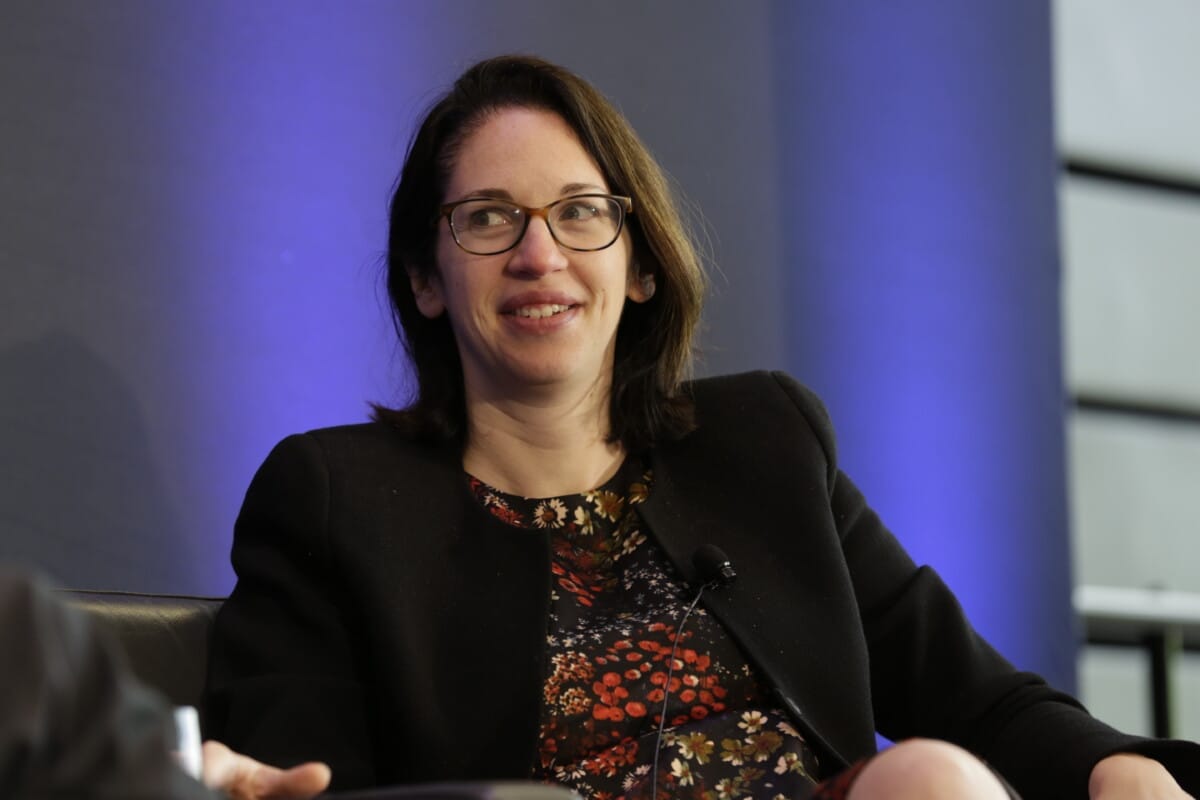
However, co-chief investment officer of the world’s largest hedge fund, Karen Karniol-Tambour, warned that these perfect conditions will be hard to replicate in the 2020s, and it’s high time that investors start building portfolio resilience.
“I think, for any CIO sitting with the allocation that they have, what you definitely can’t do is be confident that you will get the 2010s again,” she told the Fiduciary Investors Symposium at the University of Toronto earlier this week.
“[They need to think] ‘I don’t want to have a portfolio that is reliant on getting the amazing 2010s to repeat itself – what I want is something that’s a little more resilient to a range of options, knowing that the world has shifted in a way where a range of options might occur.”
Resiliency can be defined with several characteristics, she said, including narrower range of outcomes, lower tail-risk outcomes, less likelihood of sustained period of underperformance and higher average return across the environments.
In practice, Karniol-Tambour said investors can use “incremental decisions” such as shifting existing asset allocation, the types of exposures they hold within a particular asset class, or allocating to strategies that can hedge the tail risks.
However, the biggest challenge in building resilience, she said, is for investors to remember that a part of their portfolio will need to be explicitly assessed relative to how the rest of the portfolio performed, rather than as standalone performance.
It matters a lot to make it clear to that resilience-building part of the investment team that the plan is for them “to have a more consistent return or to only perform well when things are going poorly” in the rest of the portfolio, she said.
“You’re not telling the person [responsible] that ‘you did a bad job’. You’re saying that was the plan.
“If you don’t govern it that way, then the person who manages that bottom asset is going to say ‘wait a minute, we just had a great growth year, and I had this very low return relative to the rest of the portfolio, I better change my strategy to not have that happen to me again’.”
Understanding, not avoiding risks
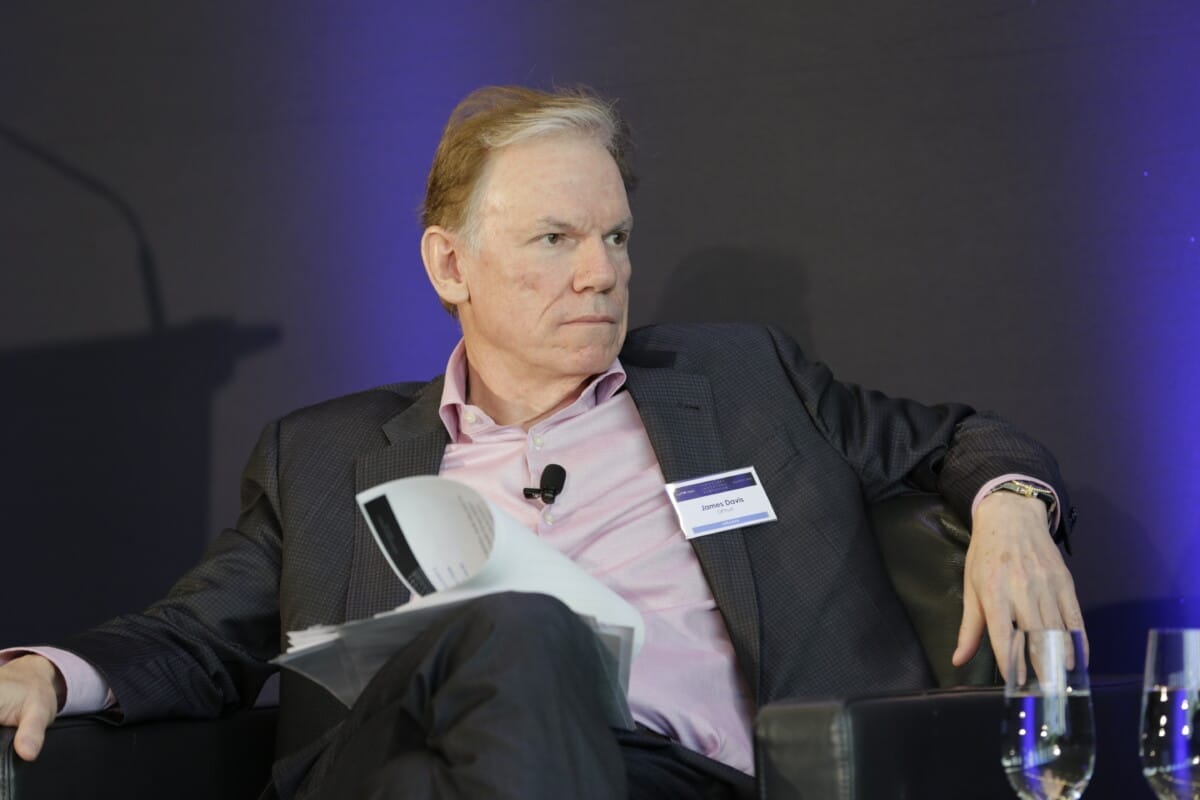
Chief investment officer of the C$25 billion ($18 billion) pension OPTrust, James Davis, echoed the sentiment and said it’s governance can be a huge challenge when the objective is building resilience.
“Resilience is not about avoiding risks, it’s about understanding them, and it’s about managing them,” he said.
“We define risk not as volatility or return. We define it in terms of the probability of becoming under-funded. The reality is that the risk-free rate is not high enough that we could just invest in risk free assets and earn the returns we need to pay pensions, so we have to take risks.
“We’re not trying to grow that funded status, just try to keep it stable.
“We do rigorous due diligence in all of our deals, and in our fund and direct investing. We treat risk as a scarce resource. We don’t incentivise excessive risk-taking.”
Getting the board to understand this objective can take rigorous communications sometimes, Davis said, but that needs to be done.
“It’s amazing how our board gets distracted by returns, and the media feeds into that.
“At the end of the day, we can have a very good stable, potentially even improving funded status and have a negative rate of return. Think bonds that hedge your liabilities, then bonds have a bad year and yields went up.
“Then our board is like ‘well, you say you did good, but did you really do good?’
“Boards in general, our board as well, are line item focused. This is one of the things you try to overcome by going to a total portfolio approach, but it’s hard to break that habit.”
Karniol-Tambour said that at the end of the day, the first step to building resilience is to create shared understanding of the investment end goal within an organisation and its investment team.
“Being able to really have that shared understanding of why over the long-term resilience is so valuable, especially be able to demonstrate mathematically how damaging it is to have ups and downs [in returns].
“People who think themselves as long term investors – given that we have requirements along the way to make payments – not being able to compound and having big ups and downs makes a big difference.
“So creating that shared understanding, and then being able to have that understanding pushed through to the actual activities people are doing, to the actual choices they’re making [is important].”








Leave a Comment
You must be logged in to post a comment.
Login