
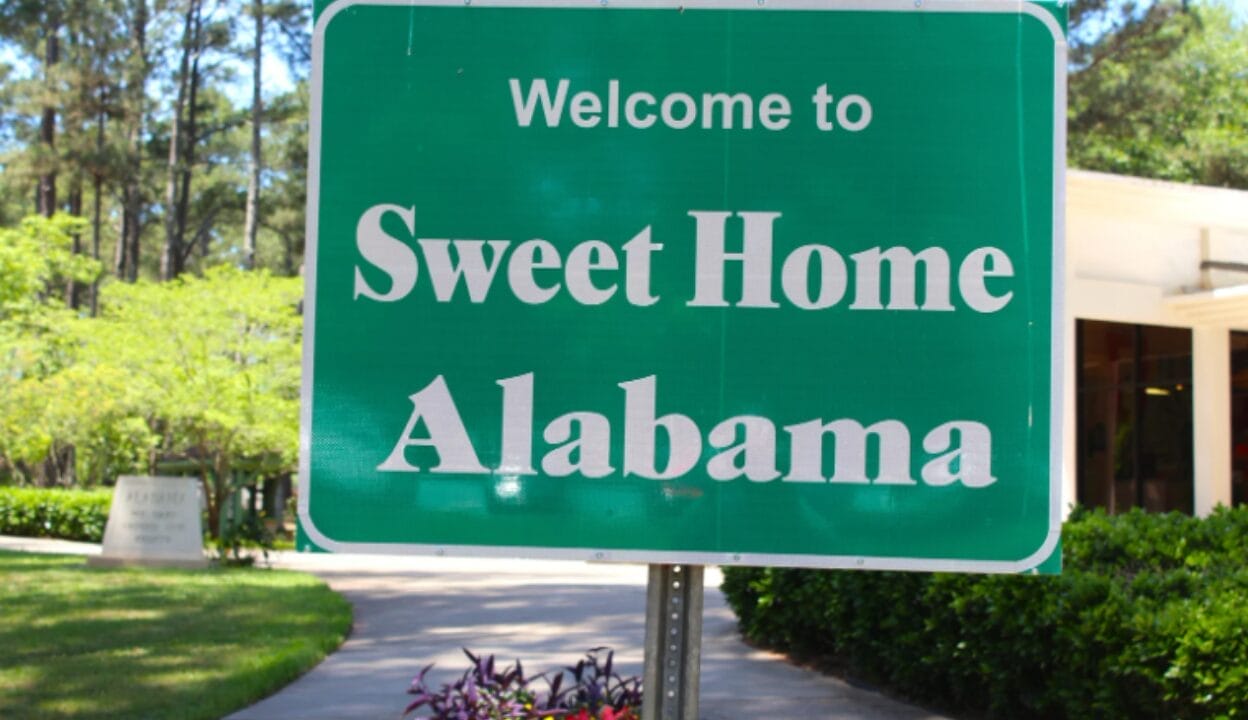

The volatility triggered by making major decisions and then “changing your mind a day or two later” doesn’t work for pension funds. In a sharply critical address of the Trump administration, CEO David Bronner, whose tenure at the $48.7 billion Alabama Retirement Systems stretches back over 50 years, highlighted how the investor is already seeing the consequences of Trump’s strategies manifest in the portfolio.
“Big institutions don’t work well with instability,” he said, speaking during a recent board meeting and report on three month returns at the Montgomery-based pension fund.
“When you got 21 per cent returns for the previous 12-months of the fiscal year and you are now getting negative, and the only thing you can hang you head on is that you are less negative than others [it shows] we have a whole new game that I’ve never seen in my lifetime. Nothing compares to what is bouncing balls right now. We are flying blind in my opinion.”
Bronner highlighted key areas where the government’s “sledgehammer” policies are triggering instability because of the ripple of unthought consequences. For example, dramatic cuts in US International Agency for Development, USAID, the largest provider of humanitarian food aid in the world, will have a profound impact on US farmers whose corn, wheat and rice is sold in bulk to the government for the program.
“You can’t stop the food you are buying [to give away] without effecting every farmer in the country, because you will effect the prices,” he said.
In another example, Bronner reflected on the impact of firing Yosemite National Park employees will have on the experience of visitors to the popular vacation destination in California’s Sierra Nevada. “There has been no study of how it effects the public that want to go to park,” he said, citing potential impacts like long queues if the number of entrances to the park are reduced.
Bronner also called out Elon Musk’s comments in an Oval office press conference in February when he said 150-year-old people still claim social security benefits. “It’s just nonsense,” he said, adding that checking processes around this was a key role of the Alabama organisation. “This is part of what we do here. We check.”
He also noted the impact of geopolitical instability triggered by America no longer sticking with long term allies. Countries that don’t have nuclear weapons now question if they can trust the US to support them. Meanwhile it will take Europe time to rebuild its depleted military.
“My point is, countries that don’t have nuclear weapons are going to be hell bent on getting some,” he said.
Cash pays in the current environment
CIO Marc Green explained that the fund is prioritising a large allocation to cash (8 per cent) in the current environment, and ensuring diversification. Although the pension fund “has bullets to shoot” Green said he wasn’t ready to pull the trigger by adding more to the 62 per cent equity allocation.
One trade that has performed well is put spread collars. The substantial position is now “maxed out” on the downside. “It is a good tactical trade, I wish we had more out but usually we do it over time and it has all happened so fast.”
He warned that in a climate where “nobody knows the rules of the game” investors are starting to see some earnings estimate revisions.” For example, Delta Air Lines has just revised its first-quarter profit estimates downward in a reflection of people retrenching.
“People need certainty to make informed decisions,” said Green.
He reflected that the Trump administration “will start to feel the heat” from corporate America. The President is planning to meet CEOs of Fortune 500 companies.
Green warned off untraditional assets like crypto playing a role in the current volatile market, saying the digital currency is best viewed as a trading vehicle. Alabama has no direct exposure in digital currencies.
“Our view is that it is a leveraged risk asset. It wasn’t a good hedge in 2022 and in trying times does not diversify very well.”
“There’s nothing behind it,” concluded Bronner. “It’s based on somebody else thinking they are going to sell to somebody else at a higher price.”








Leave a Comment
You must be logged in to post a comment.
Login