
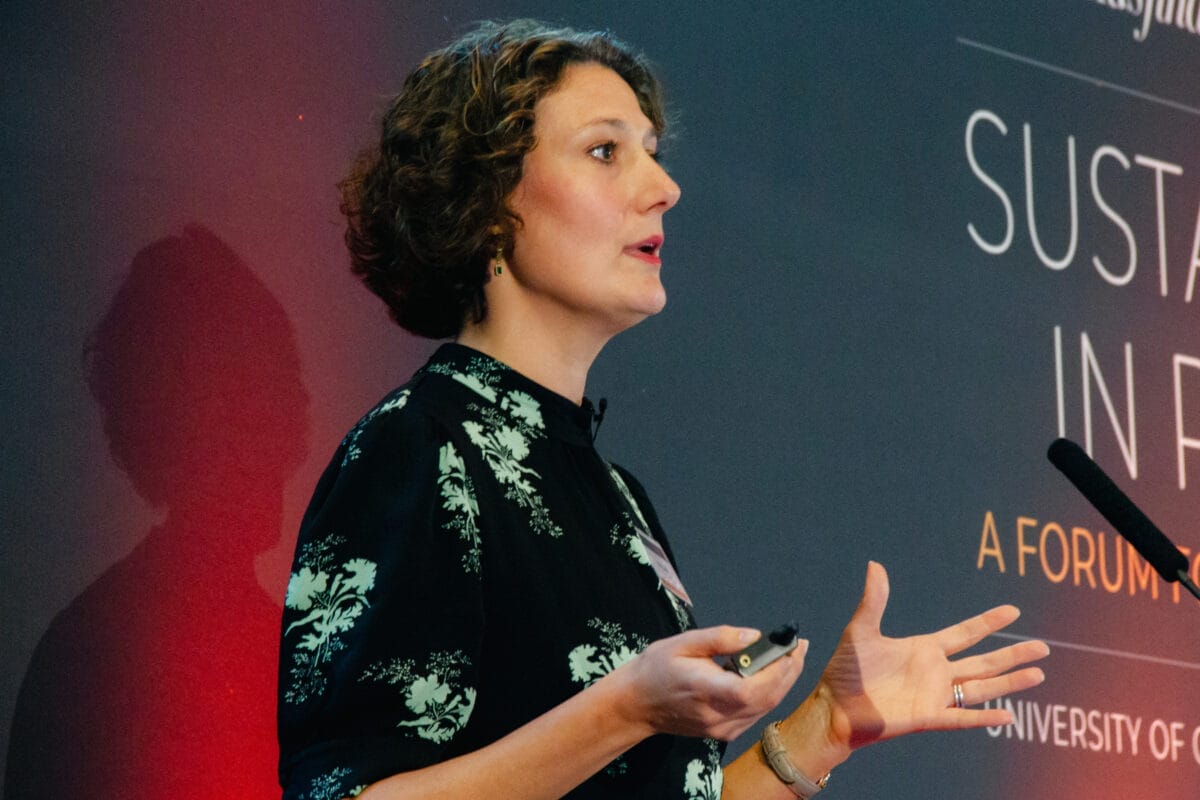

Structural mega-trends underpin demand for real assets, and asset owners face the challenge of decarbonising real estate as the world population grows, said Abi Dean, global head of strategic insights, at Nuveen Real Assets.
With the global population set to exceed 9 billion by 2050, demand will only grow for agriculture and housing, Dean said. Additionally, 68 per cent of the population in 2050 is predicted to live in urban areas compared to 55 per cent today, further driving demand for real estate and energy in areas that need to be decarbonised.
“We need to feed a growing world population and growing middle classes as well, and we need to do that whilst reducing carbon emissions, so there is a key transition that needs to take place there,” Dean said.
Nuveen is one of the largest investment managers in the world, with about $1.1 trillion of assets under management. Speaking at the Sustainability in Practice conference, organised by top1000funds.com and held at Oxford University, Dean said demand for more agricultural land alongside the need for greater biodiversity and zero deforestation will drive investment in responsible land management practices and natural capital.
There is also a need for investment in renewable energy, green buildings and sequestration to decarbonise, while increasing affordable housing and ensuring a just transition.
“So I think all of these things kind of mutually reinforce each other,” Dean said, noting that around 80 per cent of the built environment of 2050–the deadline for net zero emissions–is already built today.
“So we can’t build our way out of this problem with new buildings,” Dean said. “We have to adapt what’s already there, and we need to see about a 95 per cent reduction in carbon emissions on the 1.5 degrees scenario of that existing built environment.”
A massive increase in renewable energy enables some of this decarbonisation, she said, and the more renewable energy there is available in a grid, “the less steeply you have to go on the energy efficiency measures that you have to put in place [in buildings].”
Efficient heat pumps that don’t rely on fossil fuels are a major factor in decarbonising real estate, she said.
Regulation plays a major role in ensuring transparency and a range of performance standards, Dean said. So is the ongoing increase in allocation decisions being based on meeting decarbonisation goals. There is also a rising trend of net zero carbon goals informing space requirements, which “will be quite transformative in the years ahead,” she said.
Data shows green credentials increasingly affecting asset pricing as organisations think ahead about reducing their carbon footprints and assess the expenses involved in bringing buildings up to par, Dean said.
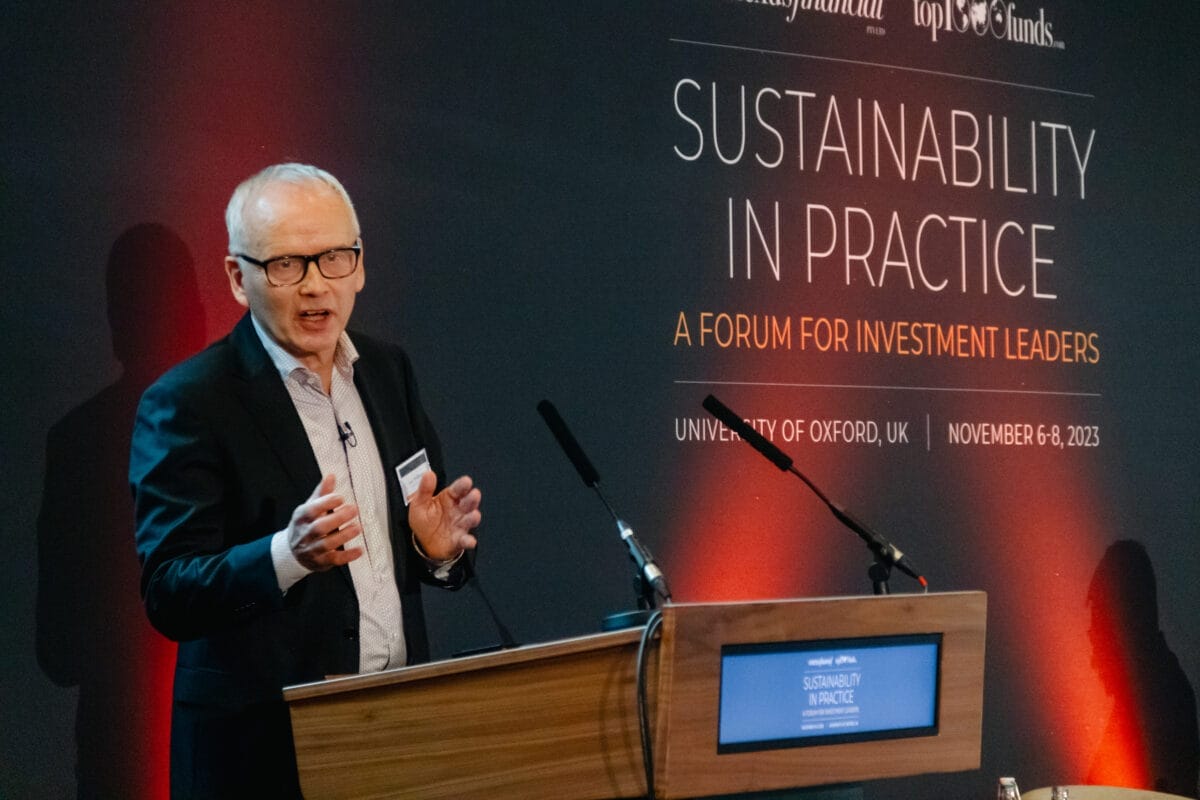
Marc deBree, managing director, head of real estate and alternatives, general account, at TIAA in the United States, said despite negative press about struggling commercial real estate, a lot of sectors of the market are doing very well. These include anchored retail strips selling daily use groceries, and industrial logistics.
However the office market is struggling, with changes to how offices are used, and increasing demands for energy efficiency. Older offices that need an expensive retrofit are harder to lease, he said.
A lot of dollars are being allocated to alternative real estate assets like storage, medical offices, and affordable housing, he said.
Jen Bishop, deputy chief investment officer and head of responsible investment at Coal Pension Trustees in the United Kingdom, said there is a need to re-think land use in areas such as the intersection between real estate and infrastructure, with opportunities to use land more efficiently.
Coal Pension Trustees manages around £20 billion of assets on behalf of two pension funds for legacy workers of the UK coal industry.







Leave a Comment
You must be logged in to post a comment.
Login