
Unprecedented challenges in a world of plenty

Renowned geopolitics professor Stephen Kotkin remains an “unbelievable optimist about where the world is,” despite the ever-present potential for catastrophe.

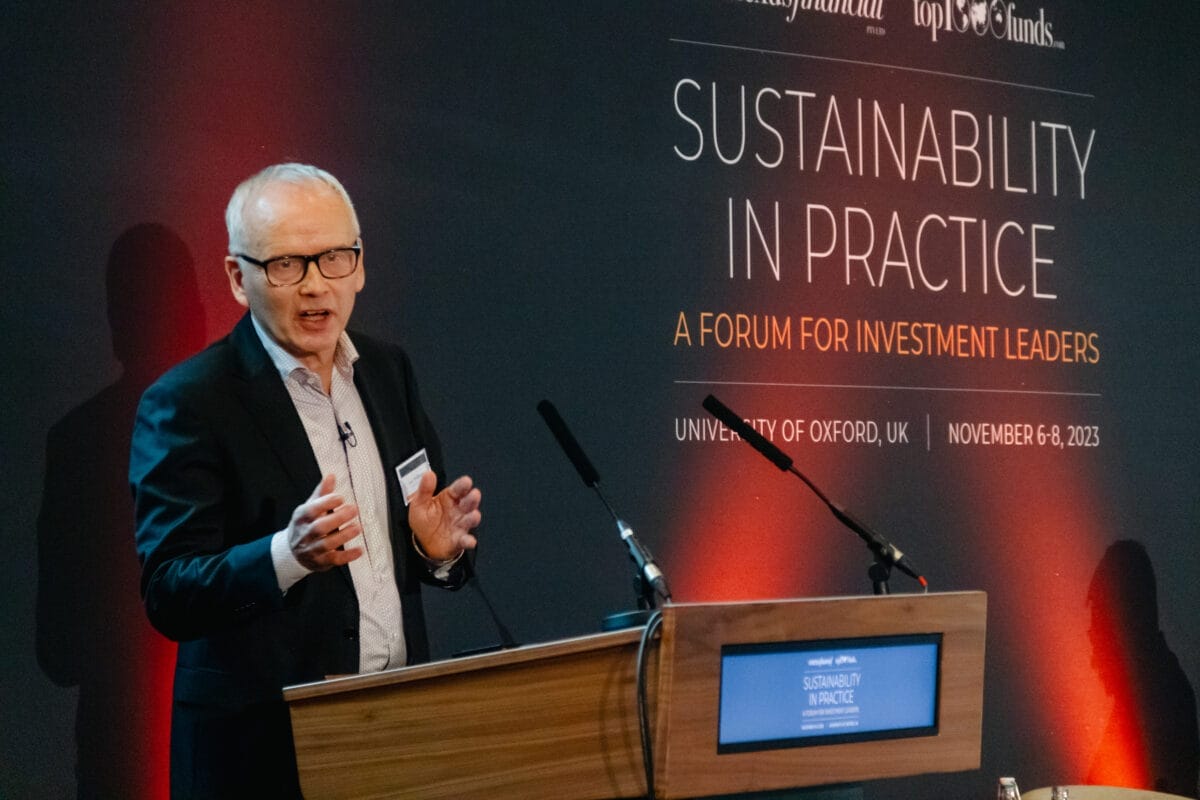
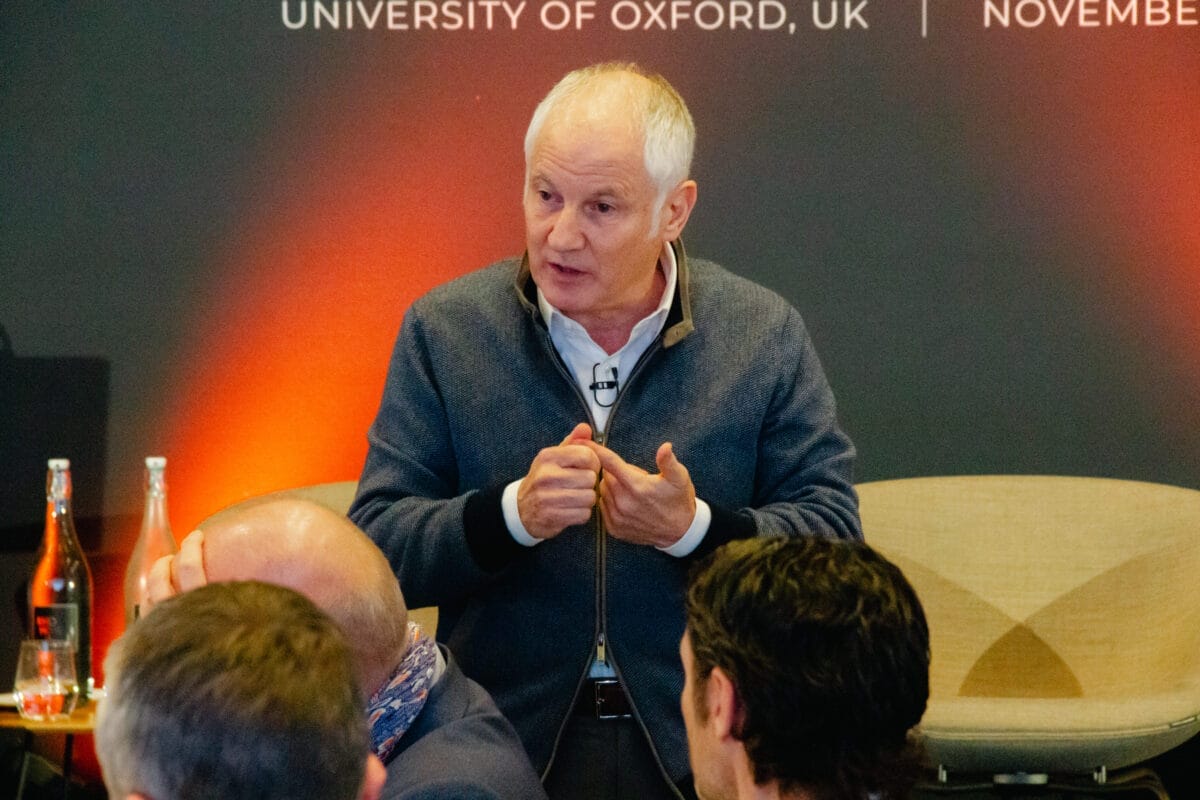
Kotkin described the benefits science and development have brought to humanity while simultaneously warning investors of the massive uncertainty the world now faces, in a discussion at the Sustainability in Practice conference, held at Oxford University and organised by Top1000funds.com.

“The world is in amazingly good shape…the amount of creation of middle-class in your lifetime is breathtaking,” Kotkin said. Despite terrible things happening in the world, the amount of violence in the world is much reduced compared to the past, he said, as is inequality.

However alongside these developments, the world faces unprecedented challenges from climate change, geopolitical power dynamics, artificial intelligence and other technological developments.

There has never been a directed energy transition in recorded history, Kotkin said, so if a transition  to a low carbon world does happen, it will be unprecedented.

“This is a very high order challenge here,” Kotkin said. “Social engineering has a historical record of producing very perverse and unintended consequences.”

Sponsored Content

Little has changed in what we eat, where and how we live, and how we move, which are the three things the transition aims to change, Kotkin said. Some changes, such as the move to electric cars, are yet to be effective.

“Electric cars, of course, are worse for the environment than the current system unless you own the electric car for at least eight years,” Kotkin said. “And then you are neutral environmentally if you’ve owned it for eight years. Nobody owns an electric car for eight years.”

There is also no way to recycle or dispose of their components, and a lot depends on how the electricity to run the car is made.

Key assumptions used in forward projections about decarbonisation are flawed, he said. The zero interest rate world of recent years is “long gone,” and so is the world of outsourcing, cheap logistics and interconnectivity where “your supply chain looked like it could be as long as possible and it didn’t matter.”

In recent years the world has faced a destabilised truth regime where fakery is increasingly becoming the norm; widespread theft of information in the name of aggregation; and creaking security at odds with the internet’s goal of interconnectivity, he said. But markets must now brace for artificial intelligence to turbocharge everything, Kotkin said.

“It’s going to affect how we live and what we build and it’s going to affect how we move,” Kotkin said. “It’s going to have effects that are much greater than the previous effects. But part of that effect is the continued destabilisation of the information space, the truth regime and we’re now living in that, it’s already done.”

He pointed to other challenges brought by technology. Quantum technology is rendering obsolete things like submarine stealth through the use of quantum sensors. AI models are able to code protein folds and potentially give bad actors the ability to create pathogens. Only a small fraction of STEM talent goes into public service, and governments are struggling to keep up with regulation.

In the geopolitical realm, a lot of risks are unpriceable, such as a world war triggered by a Chinese invasion of Taiwan. With ancient civilisations with autocratic governing systems opposed to the US-led world order, vulnerable points like Ukraine and Israel will be tested again and again with the risk of conflicts escalating.

Despite the challenges it brings, science has brought incredible benefits like vaccines, better industrial processes, and biotechnology applications to food and energy, Kotkin said. 

“So I’m an unbelievable optimist about where the world is despite what I know about the science and about the geopolitics.”

“I think the geopolitical thing is manageable, I think it just takes leadership,” Kotkin said. “Unfortunately with 160 million Americans eligible to be president, somehow it ended up being the current two main candidates.”

Leave a Comment

Meeting multiple objectives: The pension fund addressing mental health

Meeting multiple objectives: The pension fund addressing mental health

With the right governance models pension funds can play a role in broader societal issues, such as mental health in the workplace, while still delivering financial security for members. A unique “democratic governance structure” at the Danish Velliv Association allows it to manage multiple objectives, chief executive Lars Wallberg said.

Sort content by

Thoughtful ESG engagement the epitome of good active management: Pictet

Investors’ approach to ESG has evolved considerably, particularly in the area of engagement with portfolio companies, and encouraging change through active and targeted engagement is “the epitome of what active managers can do”, the Sustainability in Practice conference at Oxford university has heard.

Politicisation, poor governance to blame for backlash against ESG

CIOs need to fight back against the politicisation of ESG in the United States by adopting sound governance principles and not allowing their funds to be “pinned down to one side of the [political] spectrum”, the Sustainability in Practice conference at Oxford University has heard.

Board control critical to ESG stewardship in unlisted infrastructure

Investors can de-risk and increase the long-term returns of unlisted infrastructure assets by enacting forward-looking ESG transitions, investors say, but they need to ensure sufficient control at the board level.

The unique challenge of decarbonising real estate as the population grows

Demand for more agricultural land alongside the need for greater biodiversity and zero deforestation will drive investment in responsible land management practices and natural capital says Abi Dean, global head of strategic insights, at Nuveen Real Assets. 

Why these impact investing veterans don’t care about ESG ratings

BlueOrchard and Schroders Capital’s impact investing veteran, Maria Teresa Zappia, isn’t a fan of using ESG performance to evaluate her portfolios, suggesting that investors are limiting their options if they are not willing to consider companies with lesser ratings.

Why a successful transition to a low energy world is likely within 20 years

The world is shifting from a regime where climate change is viewed as a shared burden or a hot potato, to one where it is a “business opportunity that everyone should be scrambling to make money from,” according to Oxford Professor J. Doyne Farmer, citing probabilistic assessments by his team.