

The Future Fund is adding risk to its portfolio, and focusing on liquidity, as part of a part of an ongoing strategy to free up more capital in the portfolio in the event of a drawdown. It is in the midst of selling off a “large slice” of private equity assets on the secondary market and has bought listed equities in emerging markets in the past year.
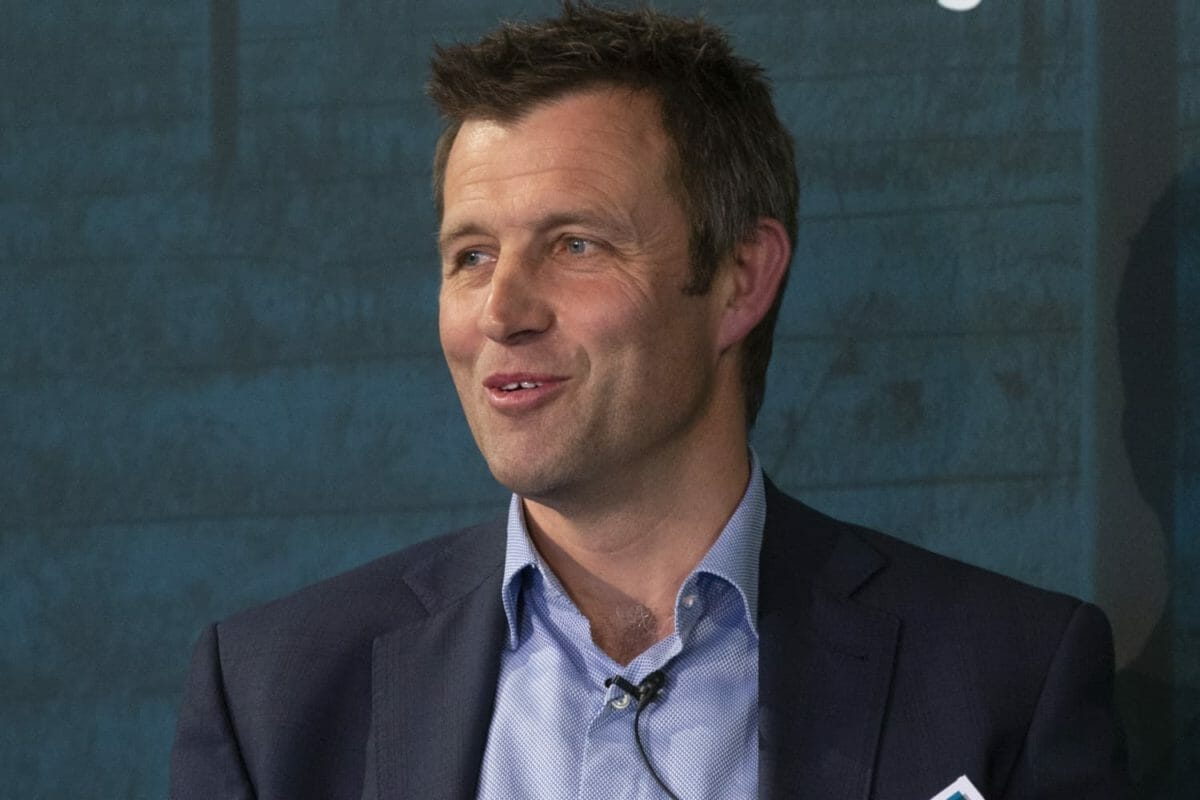
David Neal, chief executive officer of the A$167 billion Future Fund, said his team had struggled to make a dent in the portfolio despite “quite aggressively” selling off other private assets like the UK’s Gatwick Airport, because prices kept going up. He said the net cash flow from the private holdings was A$6 billion over the last 12 months and would be the same again in the next year.
“If anyone wants a large slice of really high-quality private equity let me know because we are looking,” Neal told delegates at Investment Magazine’s Fiduciary Investors Symposium in the Yarra Valley. “We have a process underway at the moment of doing a secondary sale of private equity, it is essentially a rebalancing trade.”
Over the last 12 months the fund has added risk to the portfolio and bought emerging market equities, while at the same time sold off some of its illiquid assets to take advantage of the higher prices that were chased up by competitors.
About 15.8 per cent is currently allocated to private equity, 6.7 per cent to property, 7.1 per cent to infrastructure and timberland and about 36 per cent to public market equities, according to their latest quarterly update. That compares to 14.8 per cent allocated to private equity in 2018, 7 per cent invested in property, 8.2 per cent in infrastructure and 32 per cent invested in stocks.
“We are not selling down (private equity) to reduce risk,” Neal said on the side lines of the conference. “We are just selling down to increase liquidity in our portfolio. If you are not sure about what the future environment looks like you need to have the ability to change your portfolio. It’s more opportunistic.”
A Willis Towers Watson report earlier this year found that many institutional investors were shrugging off signs of overheating in private equity to allocate more capital. Researcher Preqin Ltd. estimated that the amount of so-called dry powder waiting to be invested in private equity hit $2 trillion last year.
“As assets realise their potential then we are looking to sell down where it makes sense,” he said. “Everyone is increasing their real asset portfolios, everybody is increasing their private equity portfolios and they are all chasing the prices up.”
Neal said the fund, which saw its assets grow by A$3.1 billion in the last quarter, would continue to buy more public market equities to increase liquidity, despite the potential risk of a selloff.
The fund, he added, still has a large chunk invested in “growth equity” where it provides capital for companies to stay private for longer particularly in technology and heath care services.
Losing money “happens when you are in a growth asset that is striving for higher returns,” the CEO said. “The important thing is to be able to take advantage of that so if there is that market drawdown, we would expect there would be assets which are a good buy. Perhaps we could even go back into the private markets again.”
Neal said the sovereign wealth fund needed to add risk in the portfolio because it could not rely on its beta return alone, which over 10 years is around 3 per cent real and is short of their target return of CPI plus 4 or 5 per cent.
He also said the prospects of modern monetary theory to stimulate growth, which was becoming increasingly accepted, could also potentially put a floor under the market.
“Perhaps the government doesn’t need a major correction to start to think about that kind of policy response,” he said. “Maybe the chances of a really bad outcome are a lot less than we might otherwise have thought.”








Leave a Comment
You must be logged in to post a comment.
Login