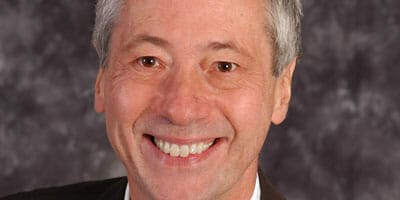
State Street’s Probyn into 2013

The current equity rally is not predicated on a shift in economic performance, according to chief economist at State Street, Chris Probyn, who says it would be reasonable to say the market may “pause for thought”.

Probyn says the move from fixed income to equities has been fostered by some of the “economic areas for concern” being eliminated.

These include the avoidance of a hard landing in China, and a disorderly breakup of the euro, proactive policy responses in Japan and the avoidance of the US fiscal cliff.

“These have all been ticked off,” he says. “But still growth is not great. The fourth quarter earnings reports have been good, with the notable exception of Apple, so there is some fundamental support for equities. But there is no fundamental upshift, so the size and speed of the rally is a little surprising.”

Probyn’s outlook for 2013 is for 0.25 per cent global growth, driven by a 0.5 per cent growth in emerging markets.

His economic outlook for developed markets is zero growth, which he partly attributes to fiscal policy decisions.

Sponsored Content

“We have reinvented economics, when the economy is weak we stop government spending, it is a failure of policy and we are repeating the mistakes of the 1920s,” he says.

Probyn also attributes the equity rally to a certain psychological behaviour.

“People have worry fatigue, they are tired of worrying about the same things,” he says.

State Street doesn’t have a big economics department, three people in fact. One emerging markets specialist plus two who look at the G8, defined as the G7 plus Australia (because of State Street’s presence in that country).

Probyn believes that in order to understand certain asset classes there needs to be an understanding of the global economic story, such as the relationship between resources and China.

He admits that for most economists it is difficult to predict exact growth numbers, but it’s more important to get “the overall story right”. Last year that overall story was further growth moderation, and that is the outlook for 2013 as well.


 

Leave a Comment

Sort content by

The Intersection of Energy, the Environment and the Economy

Cary Krosinsky, vice president of Trucost and co-editor and author of Sustainable Investing: The Art of Long Term Performance, recently presented at an Audubon-hosted event alongside Libby Cheney of Shell. Here he writes for conexust1f.flywheelstaging.com drawing on his presentation about the intersection of energy, the environment and the economy, and the implications for asset owners.

Investors seek liquidity in hedge fund managers: Preqin

Transparency, liquidity and risk management have replaced the performance record of a fund as the key consideration of hedge fund investors, according to a recent survey of 50 global institutional investors by Preqin, which also found half of those surveyed intend to maintain their current exposure to hedge funds in the next year. mrec4inarticleinline Sponsored

LACERS prioritises local companies

The Los Angeles City Employees’ Retirement System (LACERS) will give preference to Los Angeles-based companies in its alternative investment allocations, providing all else is considered equal in terms of performance, strategy, personnel, and philosophy. mrec4inarticleinline Sponsored Content scnative1 scnative2 scnative3

Alaska continues self assessment with special meeting

The Alaska Permanent Fund Corporation Board of Trustees has called a special meeting for October 15, to discuss among other things the performance of the executive director and the fund’s securities lending agenda. mrec4inarticleinline Sponsored Content scnative1 scnative2 scnative3

Russell Investment Manager Outlook

The market is no longer undervalued, according to the views of more than 200 funds managers in the September Russell Investment Manager Survey, which among other things found that 54 per cent of managers believe the US equity market is now fairly valued. mrec4inarticleinline Sponsored Content scnative1 scnative2 scnative3

Cost vs value: US funds suffer fee creep

The 2009 cost of doing business survey by the Callan Investments Institute found that fees paid by US funds have been increasing on the back of higher allocations to more expensive asset classes and lower allocations to passive investment. Amanda White spoke with Callan’s executive vice president and director of capital market and alternatives research,

Previous



