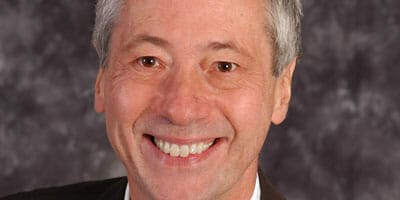
State Street’s Probyn into 2013

The current equity rally is not predicated on a shift in economic performance, according to chief economist at State Street, Chris Probyn, who says it would be reasonable to say the market may “pause for thought”.

Probyn says the move from fixed income to equities has been fostered by some of the “economic areas for concern” being eliminated.

These include the avoidance of a hard landing in China, and a disorderly breakup of the euro, proactive policy responses in Japan and the avoidance of the US fiscal cliff.

“These have all been ticked off,” he says. “But still growth is not great. The fourth quarter earnings reports have been good, with the notable exception of Apple, so there is some fundamental support for equities. But there is no fundamental upshift, so the size and speed of the rally is a little surprising.”

Probyn’s outlook for 2013 is for 0.25 per cent global growth, driven by a 0.5 per cent growth in emerging markets.

His economic outlook for developed markets is zero growth, which he partly attributes to fiscal policy decisions.

Sponsored Content

“We have reinvented economics, when the economy is weak we stop government spending, it is a failure of policy and we are repeating the mistakes of the 1920s,” he says.

Probyn also attributes the equity rally to a certain psychological behaviour.

“People have worry fatigue, they are tired of worrying about the same things,” he says.

State Street doesn’t have a big economics department, three people in fact. One emerging markets specialist plus two who look at the G8, defined as the G7 plus Australia (because of State Street’s presence in that country).

Probyn believes that in order to understand certain asset classes there needs to be an understanding of the global economic story, such as the relationship between resources and China.

He admits that for most economists it is difficult to predict exact growth numbers, but it’s more important to get “the overall story right”. Last year that overall story was further growth moderation, and that is the outlook for 2013 as well.


 

Leave a Comment

Sort content by

AP2 appoints another new CIO

The SEK 204 billion ($28 billion) Second Swedish National Pension Fund/AP2 has appointed its fourth chief investment officer in four years, as the fund reports its best annual return since inception. mrec4inarticleinline Sponsored Content scnative1 scnative2 scnative3

France’s SWF names manager selection committee

France’s €33 billion Sovereign Wealth Fund, the Fonds de Reserve Pour Les Retraites, has made four appointments to its independent manager selection committee tasked with reviewing all mandate bids by funds managers. mrec4inarticleinline Sponsored Content scnative1 scnative2 scnative3

Climate change expert upbeat on post-Copenhagen opportunities

Global head of climate change investment research at DB Climate Change Advisors, Mark Fulton, has a contrary view to most observers, post-Copenhagen. He spoke to Amanda White about the climate change market and the asset allocation implications for investors. mrec4inarticleinline Sponsored Content scnative1 scnative2 scnative3

ATP’s split portfolio

The performance of the hedging portfolio and a 43 per cent allocation to interest-rate sensitive bonds in the investment beta portfolio of the DKK352 billion ($65 billion) ATP were the main contributors to the group increasing pension reserves by one third last year. mrec4inarticleinline Sponsored Content scnative1 scnative2 scnative3

Ibbotson reveals the ABCs – alphas, betas and costs – of hedge funds

Hedge funds, in aggregate, have generated positive alpha in the past 11 years. This finding, made by Roger Ibbotson, founder of Ibbotson Associates and Professor of Finance at Yale University, proves the strategies can resist powerful market declines but often fall short of providing absolute returns to investors. He spoke with Simon Mumme about the

CalPERS rates reputational risk above investments

Risk to reputation is more important than risk to investments according to a survey of internal staff at CalPERS completed as part of its governance/risk management initiative. mrec4inarticleinline Sponsored Content scnative1 scnative2 scnative3

Previous



