
PGGM halves CO2 footprint in investments

Ahead of the COP21 in Paris, the second largest Dutch fund with €161 billion ($160 billion), Pensioenfonds Zorg en Welzijn (PFZW), has announced it will halve the CO2 footprint of its investments by 2020.

After an in-depth study with its fund manager, PGGM, the fund has decided its capital should be focused on companies that anticipate a sustainable future, and the first and most obvious starting point for implementing the change is liquid equities.

As a result of this approach, coal companies will be largely eliminated from the PFZW portfolio by 2020 and investments in fossil fuels will be reduced by 30 per cent.

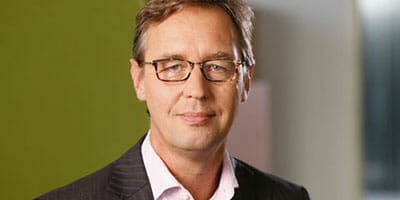
With this first step, AUM for CO2 reduction within market cap equities is about $31 billion. “We are intolerant of high CO2 emissions,” principal director of strategy at PGGM, Jaap van Dam, says.

For PGGM this asset class is managed close to the benchmark in an index-plus strategy and will focus on energy, utilities and materials sectors which have the biggest CO2 emitters.

“We have done intensive analysis, and the expected tracking error for the ESG customised benchmark is about 0.3 per cent annualised versus the former broad FTSE global benchmark.

Sponsored Content

The changes will mean the portfolio will stay sector neutral and there is not much change from a risk or factor exposure perspective,” van Dam says.

“We expect return to be equal to the generic FTSE benchmark. Deviations from benchmark in terms of tracking error are relatively small and we do not expect systematic under- or outperformance as we control for sector risks [and] country risks and have not observed noticeable factor tilts such as quality, value, min volatility, momentum, size.”

The number of holdings scaled down will be between 200 and 250, but importantly, engagement remains a core part of the approach.

“We chose not to optimise the strategy but to have a clear rule-based approach. Optimisation is anonymous. We want to be able to have a conversation with the companies affected.

“Collectively, as investors and consumers, we are part of the world in which carbon plays a large part, so we will do it gradually. Painting your front door green doesn’t change the real world,” he says.

“We want to inspire other investors to go down this route. On our own we can’t change the world.”

While the first instance will see a focus on equities, in the next few years the agenda will expand to credit investments, and real estate is also being investigated.

The gradual move allows companies a chance to move too, says van Dam, with the aim to inspire other investors about the ease of putting their money where their mouth is.

“This says to companies that we believe the world should be more CO2 efficient and we are engaging with you, and you can move this way too.”

It can also be seen as “cheap insurance against a high CO2 price”, says van Dam, with the portfolio moving from CO2-intensive emitters to CO2-efficient companies by 2020.

The important starting point for this decision was the White Sheet of Paper project which determined very clear beliefs about being a sustainable pension plan.

Van Dam acknowledges there was significant potential tension between two of the fund’s objectives – namely, financial ambition and sustainability.

“We had an intense conversation with the investment committee of PFZW, and together developed the path towards this solution which satisfies both the financial and the sustainability objectives. The portfolio or benchmark can move from CO2 intensive to CO2 reduction within the same sectors,” van Dam says. “These are relatively small changes in the makeup of the portfolio. This was a key for PFZW to sign up for this strategy.”


Asset Owner:PGGM / PFZW

Leave a Comment

Sort content by

Alecta doubles down on governance, risk management and culture

Sweden’s largest pension fund, the $126 billion Alecta, has spent much of the last year continuing to work on improving governance, risk management, competence and culture in the wake of a $2 billion loss in 2023 attributable to investments in US regional banks, including Silicon Valley Bank, turning sour.

Japan’s trifecta of challenges

After 18 years working with Japan’s leading pension funds and asset managers Chris Battaglia, president of the Global Fiduciary Symposium in Japan, is well placed to observe the pressures on the country’s retirement system and observes its evolution. mrec4inarticleinline Sponsored Content scnative1 scnative2 scnative3

日本が直面する3つの課題

グローバル・フィデューシャリー・シンポジウム代表を務めるクリス・バッタリア氏は、日本の大手年金基金や資産運用会社と18年間仕事をする中で、日本の退職金制度の課題、その進化を観察してきた。 mrec4inarticleinline Sponsored Content scnative1 scnative2 scnative3

A lot of regulation incoming for crypto, predicts former Fed governor

Former Federal Reserve governor Randall Kroszner argues crypto assets are mislabelled as “currencies”, and said digital currencies like China’s digital Renminbi could one day challenge the primacy of the US dollar, in a wide-ranging conversation.

Portfolios of the future

This session drew on themes of the conference and discuss with asset owners what the portfolios of the future will look like, particularly examining how investors plan to build robust portfolios to meet changing investment regimes.

Fiona Reynolds joins Conexus as CEO

Conexus Financial, publisher of Top1000funds.com, further cements its position as a global influencer with the appointment of Fiona Reynolds as chief executive.




