
Merger progresses company ESG reporting

In a move that will help solidify a global system of ESG reporting standards, the Sustainability Accounting Standards Board and the International Integrated Reporting Council will merge to create the Value Reporting Foundation.

The merger helps progress the vision of a single, coherent system of corporate disclosure, an essential ingredient for investors and corporates serious about ESG reporting.

Chair of SASB, Robert K Steel, said the merger was an important step in enabling investors to communicate with clarity and ease about the issues that matter most to financial performance. Importantly it helps to eliminate the fragmented reporting landscape that currently exists in ESG.

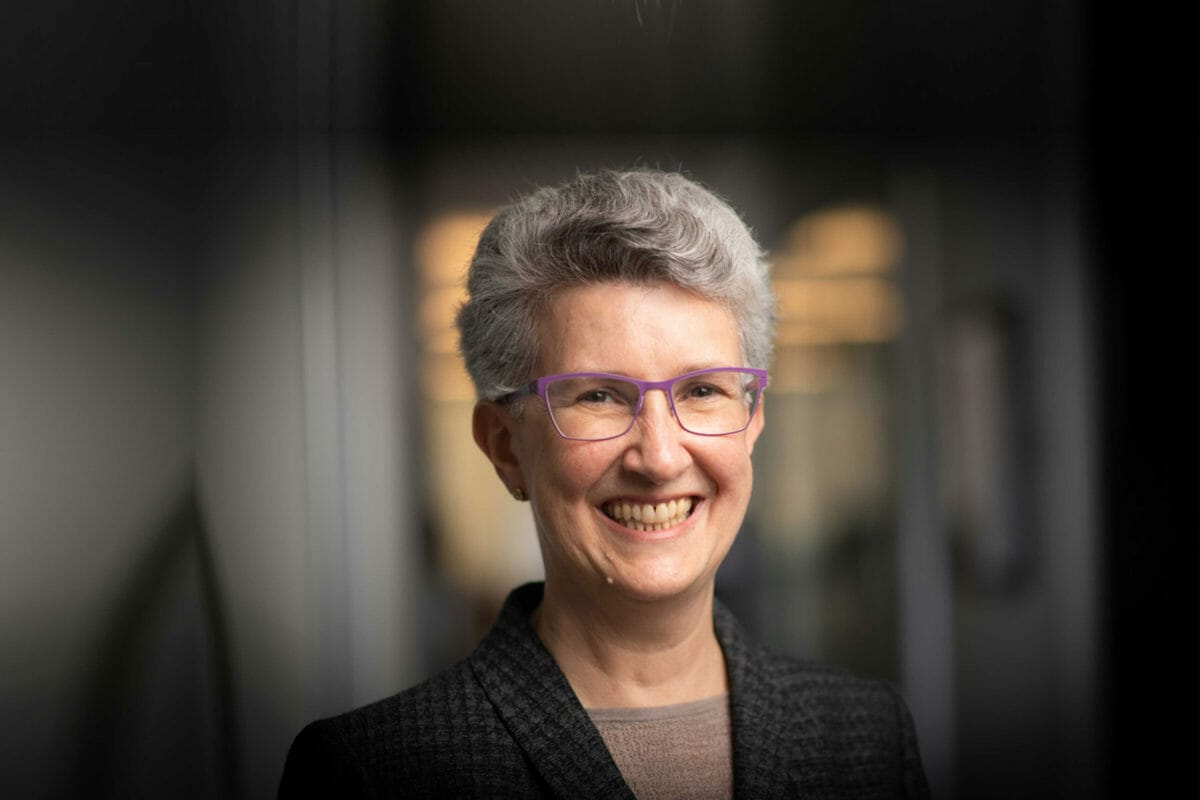
The merged entity – which will be headed by the current CEO of SASB, Janine Guillot – will maintain the Integrated Reporting Framework, advocate integrated thinking, and set sustainability disclosure standards for enterprise value creation. The organisations said that the merger directly responds to calls from global investors and corporates to simplify the corporate reporting landscape, providing the market with a clear solution for communicating about the drivers of enterprise value.

The Value Reporting Foundation could eventually integrate other entities focused on enterprise value creation, and the Foundation and Climate Disclosure Standards Board have jointly signalled interest in entering into exploratory discussions in the coming months.

“Sustainability disclosure is at the top of the agenda for many, creating incredible momentum towards simplifying the corporate reporting landscape.  By merging two organizations focused on enterprise value creation, we hope to clarify the field. We stand ready to engage with the efforts of the IFRS Foundation, IOSCO, EFRAG, and others working towards global alignment on a corporate reporting system,” says  Guillot.

Sponsored Content

The merger will advance the work of CDP, CDSB, GRI, IIRC and SASB in the Statement of Intent To Work Together Towards Comprehensive Corporate Reporting, which outlines a vision for a comprehensive corporate reporting system.


Listen to Janine Guillot in conversation with Amanda White

In this Fiduciary Investors Series podcast Amanda White talks to chief executive of the Sustainability Accounting Standards Board, Janine Guillot, about stakeholder capitalism and the role investors can play in shifting the dial. We discuss the value SASB can play as a tool for decision making and how stakeholder issues can impact performance. SASB standards identify the issues most likely to impact financial performance in 77 industries.

Guillot says the key lever to help re-establish trust between business and society is that companies measure, manage, and reward environmental and social issues the same way they measure, manage, disclosure and reward on financial issues.

Leave a Comment

La Caisse’s oil exit pays off as renewables portfolio pulls ahead of fossil fuels

La Caisse’s oil exit pays off as renewables portfolio pulls ahead of fossil fuels

Divesting from the oil sector has been a boon for La Caisse’s performance, as the Canadian pension giant says its energy investments have earned billions in value-add compared to the benchmark since the inception of its climate strategy. Head of sustainability Bertrand Millot unpacks the fund’s approach in an interview with Top1000funds.com.

Sort content by

Brunel keeps wary eye on markets and raises manager reporting duties

In a recently published review, Brunel Pension Partnership vows to “turn the screws” on managers and its holdings via increased RI expectations and warns that rosier economic forecasts of lower interest rates and tamed inflation may not come true.

PGGM revamps fixed income; focuses on liquidity

PGGM's Wilfried Bolt explains how the end of quantitative easing (QE) has changed the asset manager's hedging strategy and prompted a keen focus on liquidity. He also explains the rationale behind managing more of the corporate bond allocation in house.

Early adopters to nature related disclosure nut out challenges

NBIM, KLP, AP7 and CIV are integrating new nature-related risks in their portfolios in accordance with TNFD recommendations. In contrast to the focus on emissions in sister framework TCFD, a key challenge is finding a cause to hone in on given nature is frequently complex and intangible.

Investors need to face up to commodity realities in the energy transition

Commodities are at the heart of the energy transition, impacting both the coming structural decline of fossil fuels and the demand for the new economy critical materials. But the reality is that many investors are reluctant to talk openly about commodities because of the negative perceptions of the sector.

Asset managers inconsistent on labour rights: 2023 proxy voting results

Asset owners collaborating to influence labour rights in investee companies have another string to their bow with the release of the Committee on Workers' Capital report examining large fund manager voting performance.

COP28: Transition ‘out’ is now transition ‘away’

After COP28 Tim Hodgson says the investment industry needs to decide whether the transition away from fossil fuels will be too little, too late or whether net zero by 2050, with all the associated transformational consequences, is possible. Either way the industry needs to “get really good at intertemporal risk management”.

Previous




