
Merger progresses company ESG reporting

In a move that will help solidify a global system of ESG reporting standards, the Sustainability Accounting Standards Board and the International Integrated Reporting Council will merge to create the Value Reporting Foundation.

The merger helps progress the vision of a single, coherent system of corporate disclosure, an essential ingredient for investors and corporates serious about ESG reporting.

Chair of SASB, Robert K Steel, said the merger was an important step in enabling investors to communicate with clarity and ease about the issues that matter most to financial performance. Importantly it helps to eliminate the fragmented reporting landscape that currently exists in ESG.

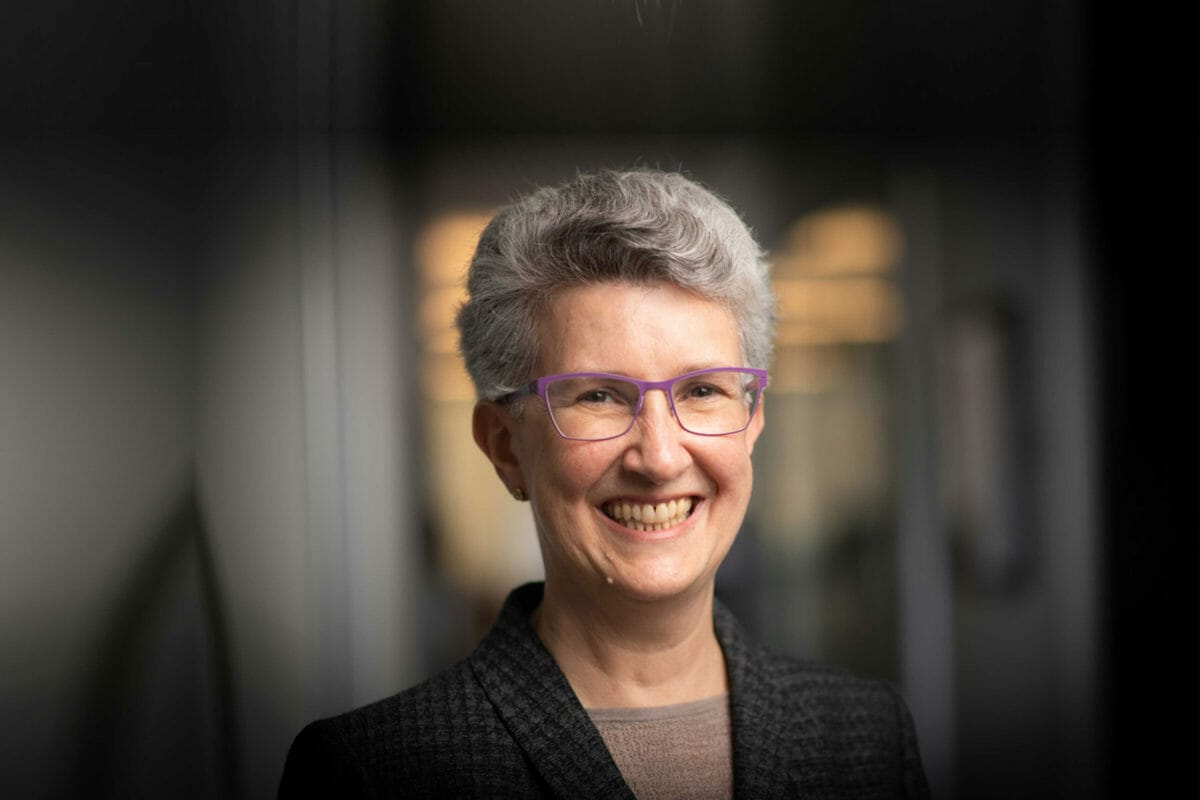
The merged entity – which will be headed by the current CEO of SASB, Janine Guillot – will maintain the Integrated Reporting Framework, advocate integrated thinking, and set sustainability disclosure standards for enterprise value creation. The organisations said that the merger directly responds to calls from global investors and corporates to simplify the corporate reporting landscape, providing the market with a clear solution for communicating about the drivers of enterprise value.

The Value Reporting Foundation could eventually integrate other entities focused on enterprise value creation, and the Foundation and Climate Disclosure Standards Board have jointly signalled interest in entering into exploratory discussions in the coming months.

“Sustainability disclosure is at the top of the agenda for many, creating incredible momentum towards simplifying the corporate reporting landscape.  By merging two organizations focused on enterprise value creation, we hope to clarify the field. We stand ready to engage with the efforts of the IFRS Foundation, IOSCO, EFRAG, and others working towards global alignment on a corporate reporting system,” says  Guillot.

Sponsored Content

The merger will advance the work of CDP, CDSB, GRI, IIRC and SASB in the Statement of Intent To Work Together Towards Comprehensive Corporate Reporting, which outlines a vision for a comprehensive corporate reporting system.


Listen to Janine Guillot in conversation with Amanda White

In this Fiduciary Investors Series podcast Amanda White talks to chief executive of the Sustainability Accounting Standards Board, Janine Guillot, about stakeholder capitalism and the role investors can play in shifting the dial. We discuss the value SASB can play as a tool for decision making and how stakeholder issues can impact performance. SASB standards identify the issues most likely to impact financial performance in 77 industries.

Guillot says the key lever to help re-establish trust between business and society is that companies measure, manage, and reward environmental and social issues the same way they measure, manage, disclosure and reward on financial issues.

Leave a Comment

La Caisse’s oil exit pays off as renewables portfolio pulls ahead of fossil fuels

La Caisse’s oil exit pays off as renewables portfolio pulls ahead of fossil fuels

Divesting from the oil sector has been a boon for La Caisse’s performance, as the Canadian pension giant says its energy investments have earned billions in value-add compared to the benchmark since the inception of its climate strategy. Head of sustainability Bertrand Millot unpacks the fund’s approach in an interview with Top1000funds.com.

Sort content by

Ford’s Roy Swan on how the Church of England is tackling its slavery legacy

Roy Swan, director, mission investments at the Ford Foundation, is helping The Church Commissioners for England set up a new impact fund to tackle its slavery legacy. He tells Top1000funds.com about how the fund will provide grants and make impact investments intended to increase access to capital for Black-led businesses.

Asia’s climate transition requires unique regional presence 

Asia is going through its own sustainability journey, and it’s different from the transition pathways in Europe and North America. Robeco head of fixed income, Asia, Thu Ha Chow told the Top1000funds.com Fiduciary Investors Symposium in Singapore that this means investing in the region requires a unique, regional perspective.

Recasting emissions abatement as expensive rather than hard 

When it comes to figuring out how a company will get to net zero and how their transition will be financed, more investors are making a distinction between emissions that are hard to abate, and emissions that are expensive to abate.

NY Common makes further divestments, ups commitment to climate solutions 

The $260 billion New York State Common Retirement Fund will divest and restrict approximately $26.8 million of corporate bonds and actively traded public equities in eight integrated oil and gas companies, including ExxonMobil; and is doubling its commitment to the Sustainable Investments and Climate Solutions program.

Investors trying to change the world: Why climate investing is so difficult

Asset owners are preparing their portfolios for the climate transition, reducing holdings in companies with high emissions and pledging billions to climate investments. But climate proofing portfolios is proving one of the most arduous and complex challenges investors have ever faced. Top1000funds.com takes a close look at the progress.

NBIM’s RI report showcases benefits of transparency

Risk-based divestments increased returns on Norges Bank Investment Management's equity portfolio by 0.07 per cent in 2023. Measuring the impact of its investment decisions, reported in NBIM's latest RI Report, is part of a concerted drive for greater transparency by the manager of Norway's Government Pension Fund Global.

Previous




