
The macro-economic outlook: ESG needed to navigate uncertainty

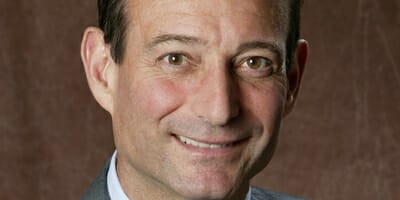
“It is in our interests to analyse ESG risk,” argued Douglas Hodge, chief executive of PIMCO in his opening address at PRI in Person, the UN-supported international network of investors working to put the six Principles for Responsible Investment into practice.

Hodge set the scene for the three day conference, where delegates gathered at the biggest PRI event to date, with a medium-term economic forecast that puts ESG principles at the forefront of investment decisions.

Hodge said in the past investors viewed ESG “as unconnected to fiduciary duty” or “a type of investing reserved for the do-gooders” and “investors prepared to compromise.” In today’s changed world PIMCO has embraced ESG investment as intrinsic to its strategy.

“ESG risks are real. They can cause real losses for companies and capital. ESG makes good business sense,” he said.

Hodge described the current investment landscape as “low and flat,” in a nod to low interest rate and flat yield curves.

A new post crisis world is also characterised by heightened volatility, “a tsunami or regulation,” and little chance of a return to pre-crisis growth.

Sponsored Content

He said developed countries are now confronted by the so-called “3Ds” of debt, deficit and demographic challenges.

“The stock of debt limits extension of credit and ageing populations make creating organic growth very difficult.”

However he adds that banks’ reduced appetite to lend has triggered new sources of funding.

“Historically banks provided most debt finance. Now there is an increasing array of non-bank actors providing funding to the corporate sector.”

Emerging economies aren’t faring any better, with the growth curves in the key emerging economies of Brazil, China and Russia also flat. Although much of the world’s wealth creation has come from emerging markets, “emerging economies are not always stable and remain prone to internal and external disruption factors,” he warns.

With “meagre” investor returns in bonds and equities and a world faced with “more disruption” and “rising demand for natural resources” he urges investors to embed long-term ESG analysis in their decision making.

“ESG investing makes sense.”

It will also be driven by the rising influence of the next generation, he predicts. The millennials have different priorities that pay greater attention to sustainability than their parent’s generation.

“This new generation will want to invest according to their values and beliefs,” he predicts.


Leave a Comment

Slavery victims look to financial world

Slavery victims look to financial world

Speaking at the PRI in Person in Paris in a panel to highlight the role of finance in addressing social issues, Ghanaian James Kofi Annan, sold into slavery at the age of six, told his story.

Sort content by

How to convince the ESG sceptics

Trying to find ways to get colleagues to embrace responsible investment strategies can be frustrating but it becomes easier when the business case includes the bottom line.

ESG is strategy at PE firm TPG

A social impact fund and innovative engagement with investee companies make ESG an integrated part of the culture at private equity firm TPG, co-chief executive Jon Winkelried said in an interview.

ESG moves into passive portfolios

Integration of ESG strategies into passive investment is becoming easier with greater sophistication and is set to grow, a panel of experts said.

Water risk is real, experts warn

The seven-year drought plaguing the state with the world’s fifth-largest economy highlights supply-chain issues and other concerns that investors need to take seriously.

Ready for the rough switch to low-carbon

Investors said the move away from the carbon economy in response to climate change was definitely coming and would be difficult. They shared some of the ways they’re getting ready.

Investors find low-carbon opportunities

Leading investors are moving forward on climate change by pouring funds into sustainable investments and applying energy-saving strategies to assets already in their portfolios.

Previous