

Two things seem clear to me at present:
- Our well-being critically depends on the richness of the current culture and leadership that we are experiencing in the multiple settings we inhabit – government, employer, home, etc
- This culture and leadership will be changed by the circumstances we are living through and by the responses we make, and we have the chance to make these better and not to waste this crisis
Leadership and culture work well together. Good culture produces better behaviours and organisational outcomes in concert with good leadership. If better culture can emerge from our current adversity, it will do so with more purpose, resilience and effective leadership attached. Here are three things to unpack.
Purpose has been a growing feature in our lives. It desperately needs to step up in the organisational setting. We need to see profit simply as a result of pursuing purpose and something that helps support that purpose.
We need some craft in finding purpose, it can never be imposed. It is the authentic reason organisations exist, expressed in terms of the differences they make to their workforce, clients, and other stakeholders.
Purpose provides certain meaningfulness and motivations and makes certain differences. The ‘certain’ here means specific but needing context to specify.
Resilience deepens when purpose, meaningfulness and motivations are engaged. Think of the resilience of those health workers in the coronavirus crisis.
Leadership is broadly defined as the acts of anyone who steps out of their regular tasks to help and motivate others.
Leadership in our industry narrative has typically meant dominant and accomplished operators whose powers were granted from high up.
But there is a movement towards servant-minded and quietly inspiring leadership types where powers are granted from lower down (think of those health workers again).
This version plays out in organisations that have created inclusive and psychologically safe conditions and help people with their resilience during tough times.
Of the two types of leadership outlined here, we need some of both, but with more of the latter.
In ‘Investment Professional of the Future’ (CFA Institute | 2019) it is suggested we need leadership that:
• Speaks out. People crave strong leadership shaped from rich values; leaders have scope to craft messages that go further than the strict confines of the business
• Draws on legitimacy. An effective leader speaks within the sphere of competency and reach
• Is empathetic. Leaders should feel close bonds with their followers and demonstrate genuine understanding and concern
• Shows the courage necessary. Courageous leaders can convey the need for change effectively
• Is clear and consistent on values. Organisational values should authentically sync with actions.
On leadership action, I am struck by the need for improving the physically-distant but socially-connected environment for leaders to engage and motivate colleagues. Do we need a new model for this?
With greater use of technology alongside more savvy processes this socialising can go far deeper. The secret sauce may well lie in a combination of improved methods of chairing, facilitating, feedback, coaching and turn-taking that rolls back the tide of group-thinking that has dogged organisations in the gazillion physical meetings that the world endures.
Culture is a key source of resilience to deal with crisis conditions by supporting positivity of mindset and action. At its best it uses a strong purpose in helping colleagues and clients through very difficult times. If we can produce a vivid visualisation of a better future for our industry and society that would help a lot. If we can then be focused on contributing to its fulfilment, we will be in much more resilient shape.
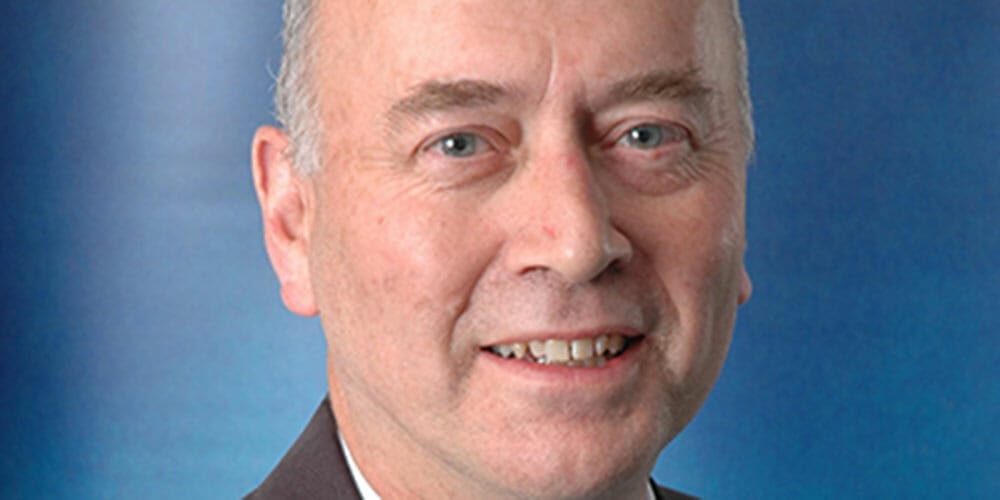
Roger Urwin is global head of investment content at Willis Towers Watson, and a Future of Finance council member at the CFA Institute.








Leave a Comment
You must be logged in to post a comment.
Login