
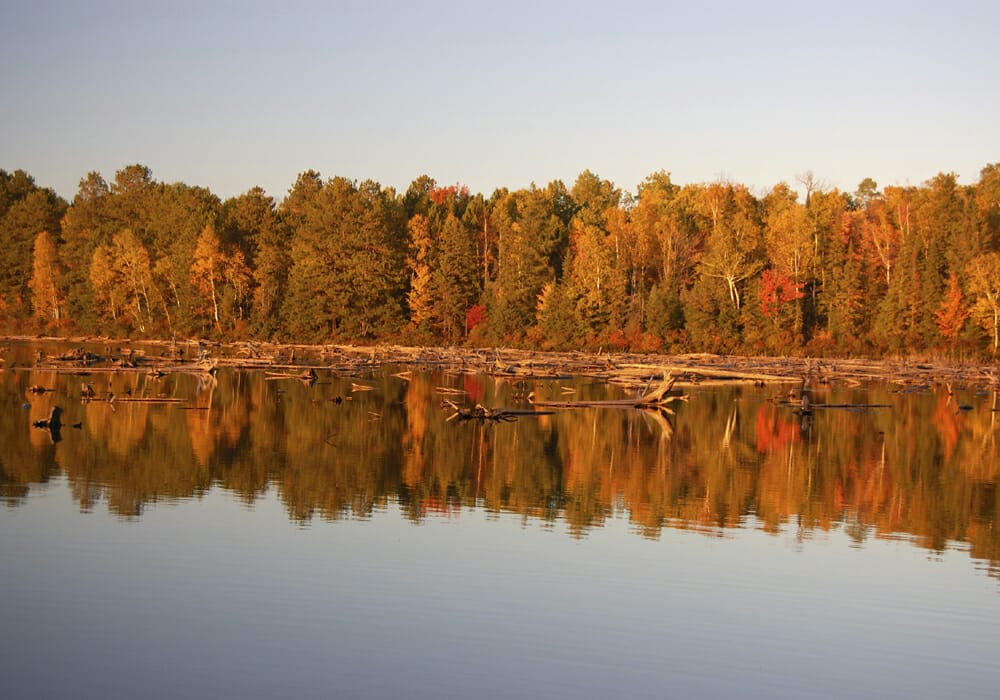

AP2, the SEK300 billion Swedish buffer fund, is attracted to the diversification benefits and long-term nature of timber investments. In a bid to expand its relationship with the asset class it is looking at ways for its capital to be permanently invested rather than act as seed capital.
Anders Stromblad, head of external managers at AP2, says the fund was attracted to timber investments, motivated by the growth characteristics and diversification effects it has on the total portfolio.
“We wanted diverse alpha,” he says. “The risk return profile of timber is attractive with low correlation with other assets. It has the long-term return expectations of equity but with more diversification and less leverage.”
Stromblad’s view is that timber is a good fit for long-term investors like AP2, which has assets of around SEK300 billion ($35 billion), is a patient investor, with a long investment horizon.
“We can live with a significant portion of the portfolio being illiquid and take advantage of that, so we are happy to take that illiquidity risk,” he says.
In addition the long-term nature of the way the fund invests means the portfolio can be built slowly, and it takes a long time to build a portfolio of timber investments.
“When we are looking at the natural part of real assets – which is 5 per cent of the total AP2 portfolio – we are not rushing, we are happy to take time.”
As an asset class, AP2 believes forests offer both diversification and a stable, long-term return.
AP2 has invested in forest since 2010, and has around 0.3 percent of total capital invested in forest assets. The fund’s timberland holdings are in seven countries – with the US (52 per cent) and Australia (40 per cent) dominating. It is roughly split three ways between hardwood/eucalyptus, other hardwood and conifers.
It employs three managers – New Forests, Molpus and Global Timber Resources, which is a company that AP2 jointly owns with TIAA-CREF and other institutional investors including the Greater Manchester Pension Fund.
David Brand, chief executive of New Forests, says forestry and timberland is unique compared to other commodities, partly because it is so diverse.
“It is made up of pulp and paper, the bio markets, construction and building timber, and feature-grade timber like teak and mahogany. They are all different markets with different drivers. This means you can get exposure through the business cycle. Forest assets have an interesting set of market dynamics which is beneficial,” Brand says.
The underlying structure of the asset class is changing, and while it has grown up with supply coming from natural forests, now it is about two thirds natural forest and one third intensive timber plantations.
“In 10, 30 or 40 years from now all incremental supply will be from plantations, with intensified production and pest controls and technology-driven increases in productivity,” he says.
In short, he says forestry is benefiting from the 21st Century’s focus on the bio economy century, and demand is moving from developed to emerging markets.
Stromblad says that AP2 was attracted to the demand and supply dynamics, as well as the growth potential from bio-energy.
AP2 is one of Sweden’s five buffer funds, and sustainability is integral to the asset management process. The fund adopts an active approach to ethical and environmental issues – and recently the five buffer funds coordinated the way carbon footprints are reported.
Within its forestry portfolio, it makes it a condition that fund managers certify forest real estate in compliance with one of the international sustainability certification systems, Forest Stewardship Council (FSC) or the Programme for Endorsement of Forest Certification (PEFC). If the forest assets cannot be certified – as in the case of biomass plantations not covered by FSC or PEFC certification – they will be managed in compliance with the certification principles implemented by these organisations.
AP2 also spends a lot of time with managers to get under their skin.
“We want to get to the plans of our managers, and see what they have done, independent of asset class. With real assets we want to meet with people in the field as well before we invest,” Stromblad says.
“It is also important to us, and you can see in our statements, that we are sustainability driven. In this case we love managers to run forests that are environmentally certified, and work with them on that.”
New Forests has incorporated sustainability issues since its formation, and has a declared ambition to achieve a leading position in sustainability. It has also produced figures stating the number of tons of carbon dioxide stored in the forests it manages.
AP2 has a positive outlook towards its timber investments, and is looking to expand the relationship and the way it invests.
“We want to look at ways we can be permanent capital rather than funding capital for these investments. Instead of selling off be permanent long-term owners to these assets rather than flip between managers,” he says.
Brand says the manager is working with investors on how to extend initial trust terms.
“There is growing recognition that when assets are acquired and restructured then you have permanent cash yield, so why sell. We are getting to the point they are steady/perpetual assets,” he says.








Leave a Comment
You must be logged in to post a comment.
Login