
‘So far so good’: Sweden’s FTN bags 150bps equity fund return improvement

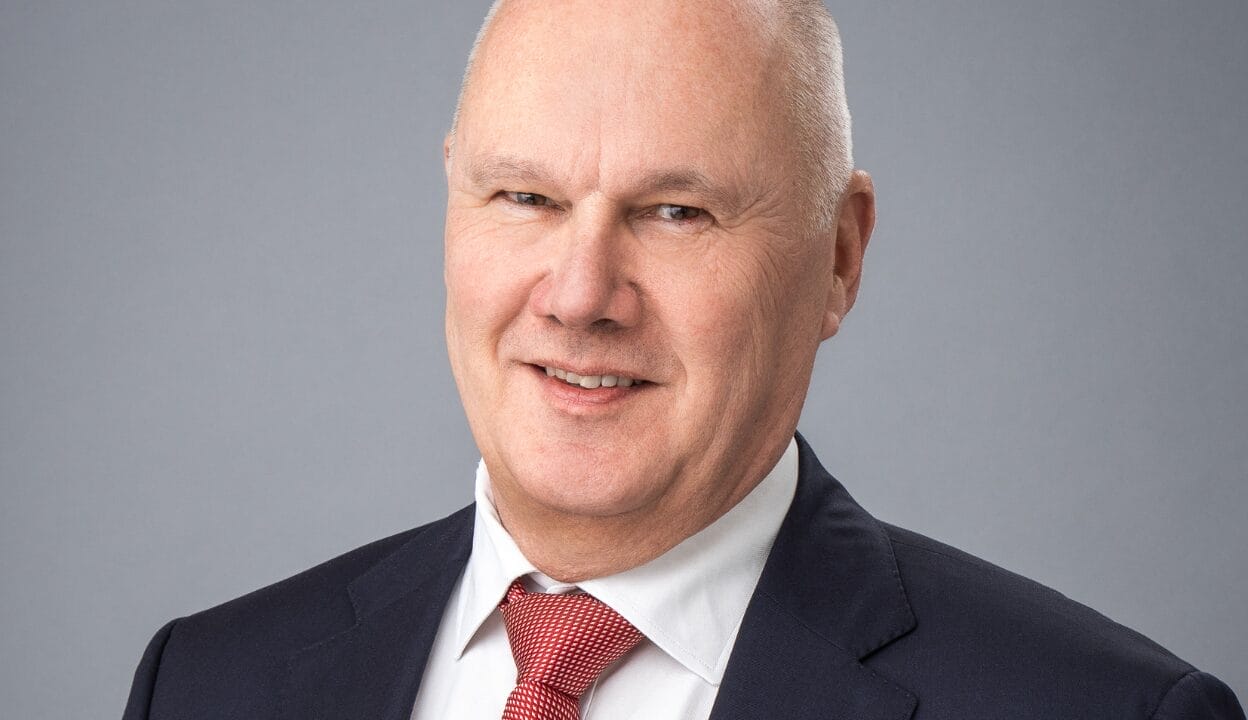
Erik Fransson

In an endorsement of its hard work over the last year, Sweden’s Fund Selection Agency (FTN), the government agency charged with procuring and monitoring the funds on offer on the country’s premium pension platform, is already starting to see improved returns and lower fees from the wave of new equity funds it mandated last year.

“Comparing the new universe of equity funds to the old universe reveals a 150 basis point improvement,” Erik Fransson, executive director at FTN tells Top1000funds.com. In keeping with the organisation’s stated aims, the main contributor to that added value is higher performance, accounting for 125 basis points. The remainder of the benefit (25 basis points) comes from more favourable pricing or lower fees.

“It is a case of so far so good: we have come a long way and we are really satisfied with the work so far,” says Fransson.

Working Swedes have paid into the mandatory defined contribution state pension fund ever since it was established in 2000 and assets on the platform are forecast to double to $451 billion by 2040. Today, the entire “premium pension system” accounts for around $232 billion split between the FTN and default fund AP7 which manages a default option for savers who did not make an active investment choice. Members of the system can choose the level of risk and strategies for their savings.

The ongoing overhaul was rooted in a handful of fraudulent and other poorly performing funds on the platform in the past, a consequence of lax requirements on the funds offering their wares. In recent years, the number of funds on the platform has dropped from 900 to around 450 in a drive for quality that resulted in many falling away. The FTN will procure funds worth around $116 billion between 2024 and 2027.

Tier 1 institutional pricing

FTN’s latest mandates to both passive and active large and mid-cap Swedish equity fund managers show the direction of travel.

Sponsored Content

In passive, three fund managers have been awarded SEK 65 billion ($6.8 billion) across five funds. The average charges were 3.9 basis points, reduced from a “rich” 12.9 basis points and mandates were won by managers with more sophisticated risk mitigating strategies including how they handle changes in the index and the different index constituents, as well as experience with strategies like security lending.

“This is really close to Tier 1 institutional pricing and will add a great deal of value in the long run. It’s very exciting and we are satisfied with this especially as we are doing this in a fund format. Contrary to popular belief, not all index funds are created equal – the selected funds show strong value creation potential,” says Fransson.

The SEK 92 billion ($9.7 billion) allocation to seven active fund managers was awarded across ten funds and also achieved a “big reduction” in fees, down from an average of 30 basis points to 15 basis points.

In another endorsement of the jump in the quality of fund managers bidding for mandates, Fransson says that none of the managers were disqualified due to mistakes or poor responses. The value of assets under management in the categories won’t change under new management so managers have a clear idea of the amount of assets they will be able to manage from day one if successful, helping the agency secure the best price.

Managers pay a tender fee and if they are successful, a platform fee based on assets under management. These requirements have successfully deterred managers without a good chance of success from going through the lengthy RFP process. All FTN’s costs are financed by an annual fee of 0.5-1.5 bps of assets under management on the platform.

Tech funds and fixed income up next

In the next step, the organisation will announce the $11 billion allocation mandates for a series of new tech-focused funds. Once funds are selected to manage these assets, some 55 per cent of the total capital on the platform will either have been mandated or in process, equivalent to 90 per cent of the equity category.

The team is also working on $23 billion global equities mandate divided between European small-cap and Swedish small-cap.

Work to secure successful procurement of next year’s mandates to new fixed income and target date funds, balanced funds and liquid alternatives is already underway with a focus on adjusting the RFPs and designing the search. All funds have a daily NAV, and most will be UCITS compliant. There is no plan to add private markets to the mix.

Leave a Comment

How CPP is evolving risk management for a faster, more interconnected world

How CPP is evolving risk management for a faster, more interconnected world

In an environment where multiple risks are emerging and their effects are compounding on the portfolio, CPP Investments' chief risk officer Priti Singh says the $572 billion fund is rethinking risk management from the ground up, shifting from reaction to preparation and embedding risk thinking earlier in investment decisions. She speaks to Amanda White about the fund's risk approach.

Sort content by

CalPERS finds continuity in climate of uncertainty

Investors are grappling with a multi-regime change that is manifesting in trade and geopolitical upheaval and a rise in real interest rates. But at a recent meeting, the CalPERS board heard that US equities remain top performers and the dollar, though weaker, is still historically strong and wil remain so.

Finland’s Ilmarinen prepares to increase risk ahead of new pension rules

Ilmarinen, Finland’s €63 billion ($73 billion) pension insurer, is laying the ground to significantly increase its equity allocation ahead of new pension rules in the country. CIO Mikko Mursula is preparing for a sharp increase in volatility of annual returns and the enhanced role and importance of diversifying the portfolio.

North Carolina TSERS: Taxpayers deserve better in governance overhaul too

Ditching the sole trustee for a five-person board will help bring North Carolina’s pension funds out of enduringly weak performance by encouraging risk taking, says treasurer Brad Briner, whose experience includes managing Mike Bloomberg’s money. Sarah Rundell spoke to the treasurer about the new governance and investment overhaul.

Japan University Fund expands active allocation guided by risk factors

The $77 billion Japan University Fund is stepping up active strategies and introducing country-specific passive allocations as the young endowment, established only in 2022, builds out the policy portfolio. Co-CIO and the head of global investment department Naoya Sugimoto speaks about JUF's vision and manager expectations.

UPP: Canadian investor looks outside US markets

Canada's University Pension Plan is eyeing new risks and opportunities triggered by policies from the Trump administration, like additional taxes for US investments and a surge of public spending on defence and infrastructure in Germany. It is also fine-tuning its roster of active managers.

LACERA: It’s all in the process

In an interview with Top1000funds.com, Los Angeles County Employees Retirement Association CIO John Grabel explains how the fund's deeply ingrained investment processes guide the pension fund through times of uncertainty.

Previous



