Railpen: good partners add skills

Earlier this year, RPMI Railpen, investment manager for the £28 billion ($37 billion) pension fund serving the UK’s railway workers, embarked on a joint venture with the $66 billion Alaska Permanent Fund and Kuwait’s Public Institution for Social Security (PIFSS) to better access private markets.

Like many other asset owners, the trio have found competition and elevated prices has made accessing private markets difficult. The hope is that combining firepower and expertise in a joint venture will open up more opportunities. The joint venture, Capital Constellation, will invest in private equity and alternatives managers, and plans to deploy more than $1.5 billion in the next five years. The three funds manage about $200 billion in assets between them.

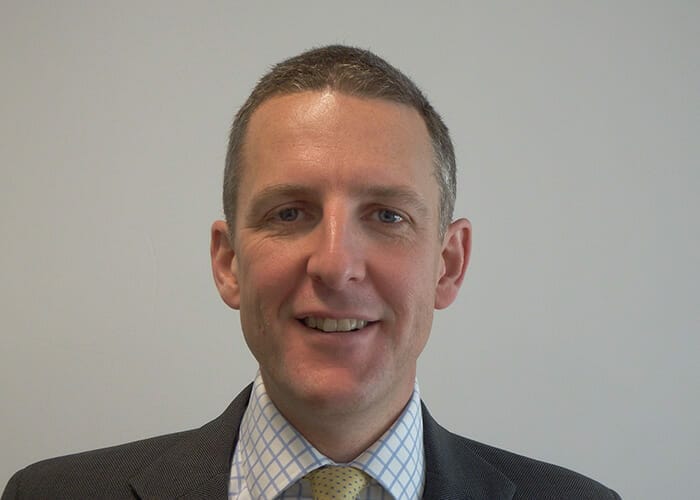
The project has revealed important lessons, Railpen chief investment officer Richard Williams says. First, asset owners should partner with investors that bring different elements to the party. In Railpen’s case, this means finding partners that can complement its ESG experience and UK presence, he says.

“It is also about finding heterogeneous skill sets that blend together,” Williams says. “There are lots of hurdles to jump through and we would like to do more initiatives like Capital Constellation, but only time will tell if we do. It won’t be for lack of intention.”

Preparing the ground at the beginning of a collaboration in case things grow tricky and parameters shift in the future is important as well, he says.

“It is a little bit like a prenup [prenuptial agreement],” Williams says. “If it doesn’t work out, all parties need to know how they can separate without it getting too acrimonious. I’m not suggesting the best marriages have to have a prenup, but sometimes love isn’t enough.”

Sponsored Content

For more on Railpen’s strategy see our profile Railpen reaps benefits of in-house team.

Leave a Comment

Why NYC pensions CIO hasn’t drunk the ‘TPA Kool-Aid’

Why NYC pensions CIO hasn’t drunk the ‘TPA Kool-Aid’

Three decades of investing have given Monte Tarbox sharp eyes for recognising risk and opportunities, and he’s putting it to use as the new permanent chief investment officer of the $306 billion NYC Bureau of Asset Management. In an interview with Top1000funds.com, Tarbox outlines his vision for the fund, why he’s bullish on infrastructure but “nervous” on PE, and why he hasn’t drunk the TPA “Kool-Aid”.

Sort content by

APG’s view on accelerated change

APG's CIO Peter Branner explains how the pandemic has accelerated key trends already underway around digitization, central bank policy and action to combat climate change. It all points to fierce competition for private assets.

OTPP: Prepare for tough times ahead

Canadian pension fund OTPP's chief economist forecasts tough times ahead: COVID spending has papered of the cracks of existing problems; it yields nothing but there are few alternatives to fixed income and inflation is on the way

USS: how to manage inflation risk

USS's head of dynamic asset allocation Bruno Serfaty reflects on the inflation risk coming down the track, and suggests ways investors can build alternative liability matching portfolios beyond government bonds.

NZ Super debates currency risk

NZ Super's recent five-year reference portfolio review saw much debate over currency risk, with the discussion elevating to the board - an unusual situation for the fund whose internal IC usually makes recommendations to the board.

Total portfolio approach benefits Cbus

Organising teams to develop thinking outside of investment silos has helped Cbus navigate recent liquidity challenges and devote deeper thinking to structural trends, the A$54 billion fund’s CIO Kristian Fok says.

Is LDI fit for purpose?

An LDI approach, which included a large allocation to bonds and a lot of internal investment management, helped HOOPP survive the GFC and has served it well for the past 13 years. But now – with the COVID crisis and a very low interest rate environment – that approach is being revisited and the fund is looking to invest more in alpha generating assets, and external management.

Previous




