Railpen: good partners add skills

Earlier this year, RPMI Railpen, investment manager for the £28 billion ($37 billion) pension fund serving the UK’s railway workers, embarked on a joint venture with the $66 billion Alaska Permanent Fund and Kuwait’s Public Institution for Social Security (PIFSS) to better access private markets.

Like many other asset owners, the trio have found competition and elevated prices has made accessing private markets difficult. The hope is that combining firepower and expertise in a joint venture will open up more opportunities. The joint venture, Capital Constellation, will invest in private equity and alternatives managers, and plans to deploy more than $1.5 billion in the next five years. The three funds manage about $200 billion in assets between them.

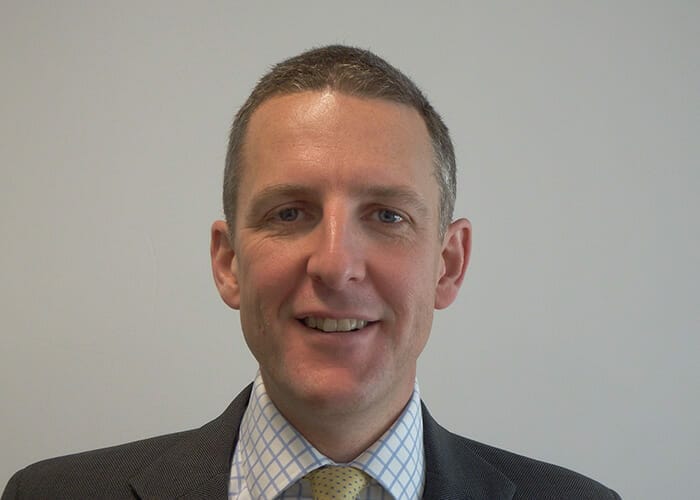
The project has revealed important lessons, Railpen chief investment officer Richard Williams says. First, asset owners should partner with investors that bring different elements to the party. In Railpen’s case, this means finding partners that can complement its ESG experience and UK presence, he says.

“It is also about finding heterogeneous skill sets that blend together,” Williams says. “There are lots of hurdles to jump through and we would like to do more initiatives like Capital Constellation, but only time will tell if we do. It won’t be for lack of intention.”

Preparing the ground at the beginning of a collaboration in case things grow tricky and parameters shift in the future is important as well, he says.

“It is a little bit like a prenup [prenuptial agreement],” Williams says. “If it doesn’t work out, all parties need to know how they can separate without it getting too acrimonious. I’m not suggesting the best marriages have to have a prenup, but sometimes love isn’t enough.”

Sponsored Content

For more on Railpen’s strategy see our profile Railpen reaps benefits of in-house team.

Leave a Comment

How CPP is evolving risk management for a faster, more interconnected world

How CPP is evolving risk management for a faster, more interconnected world

In an environment where multiple risks are emerging and their effects are compounding on the portfolio, CPP Investments' chief risk officer Priti Singh says the $572 billion fund is rethinking risk management from the ground up, shifting from reaction to preparation and embedding risk thinking earlier in investment decisions. She speaks to Amanda White about the fund's risk approach.

Sort content by

Previ invests abroad as pandemic bites

Brazil's largest pension fund has been planning to invest more overseas for a while. Now economic travails in its home market due to the pandemic have stepped up the pressure to diversify.

Alecta sees real estate opportunities

Alecta’s head of real assets Axel Brändström took the helm a year ago. Charged with building out the real estate allocation in one of the most tumultuous years for the asset class on record, his eye is on e-commerce opportunities and allocations to assets not linked to GDP.

USS takes advantage of dislocations

The largest single pension scheme in the United Kingdom, USS, took advantage of the dislocation due to COVID in 2020 and has bought credit assets and increased inflation and interest rate hedging.

Finance teaching not fit for purpose

Finance needs to be based on “real world economics” not the unrealistic and rational assumptions of traditional finance argue co-editors Herman Bril, Georg Kell and Andreas Rasche in their book Sustainable Investing: A path to a New Horizon.

Federal Retirement Thrift: Manager boost

Five years on from a board decision to increase manager diversity, Federal Retirement Thrift Investment Board, the Washington-based defined contribution plan for US federal civilian employees is finally poised to allocate a portion of its giant $640 billion assets to a new manager for the first time.

APG’s view on accelerated change

APG's CIO Peter Branner explains how the pandemic has accelerated key trends already underway around digitization, central bank policy and action to combat climate change. It all points to fierce competition for private assets.

Previous




