Railpen: good partners add skills

Earlier this year, RPMI Railpen, investment manager for the £28 billion ($37 billion) pension fund serving the UK’s railway workers, embarked on a joint venture with the $66 billion Alaska Permanent Fund and Kuwait’s Public Institution for Social Security (PIFSS) to better access private markets.

Like many other asset owners, the trio have found competition and elevated prices has made accessing private markets difficult. The hope is that combining firepower and expertise in a joint venture will open up more opportunities. The joint venture, Capital Constellation, will invest in private equity and alternatives managers, and plans to deploy more than $1.5 billion in the next five years. The three funds manage about $200 billion in assets between them.

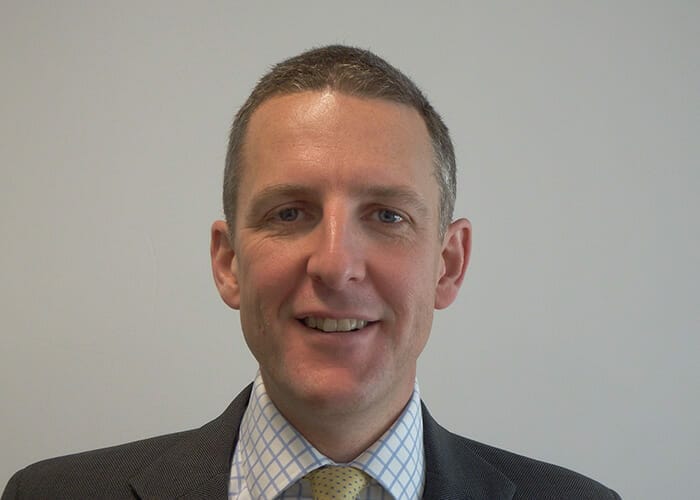
The project has revealed important lessons, Railpen chief investment officer Richard Williams says. First, asset owners should partner with investors that bring different elements to the party. In Railpen’s case, this means finding partners that can complement its ESG experience and UK presence, he says.

“It is also about finding heterogeneous skill sets that blend together,” Williams says. “There are lots of hurdles to jump through and we would like to do more initiatives like Capital Constellation, but only time will tell if we do. It won’t be for lack of intention.”

Preparing the ground at the beginning of a collaboration in case things grow tricky and parameters shift in the future is important as well, he says.

“It is a little bit like a prenup [prenuptial agreement],” Williams says. “If it doesn’t work out, all parties need to know how they can separate without it getting too acrimonious. I’m not suggesting the best marriages have to have a prenup, but sometimes love isn’t enough.”

Sponsored Content

For more on Railpen’s strategy see our profile Railpen reaps benefits of in-house team.

Leave a Comment

How CPP is evolving risk management for a faster, more interconnected world

How CPP is evolving risk management for a faster, more interconnected world

In an environment where multiple risks are emerging and their effects are compounding on the portfolio, CPP Investments' chief risk officer Priti Singh says the $572 billion fund is rethinking risk management from the ground up, shifting from reaction to preparation and embedding risk thinking earlier in investment decisions. She speaks to Amanda White about the fund's risk approach.

Sort content by

Panama’s sovereign fund mulls the future of digital assets

Abdiel Santiago, CEO and chief investment officer of the Fondo de Ahorro de Panama, Panama's $1.5 billion sovereign wealth fund, is one of many CIOs watching from the sidelines as digital asset markets develop.

Guardians of the Future: The evolution of New Zealand Super

New Zealand Super’s new chief executive Jo Townsend inherits an organisation with a strong culture but facing some challenges posed by rapid growth. An internal project aims to reduce complexity and focus on simplicity for a fund already rated by WTW as operating at global best practice levels.

Culture Club: CalPERS puts people first in talent reboot under new CIO

Only two months in and CalPERS' new CIO Stephen Gilmore has already made his mark, with plans to overhaul talent and culture in the investment office, meeting frequency and the number of strategic initiatives slashed and an increased focus on data and technology to improve efficiency and reduce risk.

Utah’s URS: Why fossil fuels and alt energy hold key to climate crisis

US public funds should stop wasting time on thinly veiled political activism, ditch ESG conferences and repurpose most of their sustainability staff, says URS’ CIO John Skjervem. Instead they should invest in proven energy investments and move from either/or to both/and which allows fossil fuels to jostle alongside alt energy.

Church Commissioners: Managing historic real assets for the future

The jewel in the crown of the Church Commissioners’ portfolio, the London-based asset manager for the historic assets of the Church of England, is its allocation to real assets, which contributes to returns used to support the work and specific needs of the church, alongside clergy pensions.

Why AP4 has decided to integrate Scope 3 emissions across equities

Swedish buffer fund AP4 has begun integrating Scope 3 into its systematic equity allocation, convinced a company's up and downstream emissions data signposts the green winners of the future.

Previous




