France’s Banque des Territoires looks for data centre opportunities

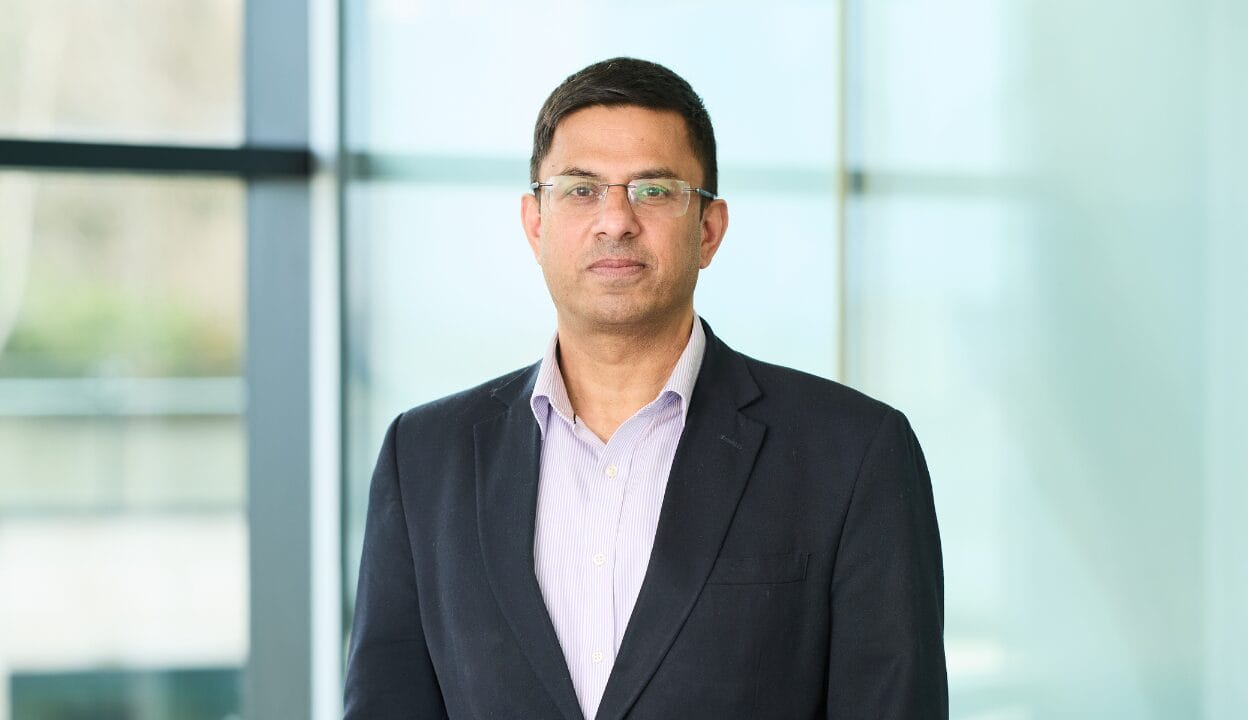
Elise Stoffaes

France’s Banque des Territoires, a subsidiary of Caisse des Dépôts, the country’s €323 billion state-owned financial institution, plans to invest more in data centres in France.

The push is in line with government policy to build out AI infrastructure off the back of the country’s access to cheap, green, nuclear energy that uniquely positions France to provide power to the AI industry while maintaining net zero credentials. It also mirrors overseas investor enthusiasm for the sector.

Japan’s SoftBank recently announced plans to invest €45 billion over the next five years in data centres in France. Banque des Territoires is currently only invested in one data centre, and the push into the sector marks a departure from previous years.

“Base loaded access to energy is very important when considering investment in data centres,” says Elise Stoffaes, deputy head of infrastructure investment at the eight-year old organisation where she oversees a portfolio of around €3.5 billion, run by a 25-person team that targets investing around €600-800 million in long-term, value investments annually.

“Opportunities in data centres and AI more broadly are compelling because France has access to a low carbon electricity mix at competitive costs.”

Sponsored Content

The investment case also aligns with an emerging theme at Banque des Territorires’ around sovereignty. Central to the thesis is the idea that European countries host their own data within the continent, continues Stoffaes who explains that sovereign investments sit under the ‘S’ of sustainability in the investor’s all encompassing ESG policy.

“We are really eager to support and invest in projects that integrate sovereignty and can help France, and more broadly Europe, to have independent digital infrastructure.”

Every investment has a different IRR expectation – there is no portfolio wide targets. But she insists returns are important and the investor is not doling out state aid. Investments are always low risk, and the team avoid development risk apart from offshore wind where it takes a founding role in consortia with industrial groups.

Still, she says the risk profile of digital infrastructure can be more risky than renewables which benefit from a feed-in-tariff or contracts for difference. She also notices a degree of resistance in local communities to host data centres which could potentially stall construction.

Stoffaes describes clear cycles in infrastructure investments like a marked increase in exposure to renewables in 2024. Other recent themes include the organisation’s decision to sell off its fibre assets. ESG is a high bar for all investments, and one reason why it recently decided not to invest new capital in airports – although it still holds two airports in the portfolio.

ESG also prohibits meaningful investment in defence other than military housing and solar parks in military zones.

Stoffaes and her team structure deals around minority stakes of between 30-49 per cent in diversified infrastructure assets rather than companies. This ensures strategy is distinct from BpiFrance, another offshoot of Caisse de Depot, which invests in startups, SMEs, and mid-caps through direct equity, quasi-equity, and funds of funds.

She also reflects on the importance of long-term relationships with the same partners – but also a wide range of partners, given this is one of the few sources of diversification. “Because we have no geographical diversity, we try to ensure we invest in different sizes of assets, and sub sectors.”

Banque des Territoires plays an important role crowding in other long-term investors to sectors like social housing, healthcare and digital inclusion particularly in investments with long pay back periods and located in rural geographies that might struggle to attract investment.

“As a long term investor, we give confidence to local partners. We see ourselves like the blue helmets of investment, in the French territories” she says in reference to the UN peacekeepers.

“We represent something that is linked to stability, the long term and financial rigour,” she concludes.

Leave a Comment

PMT talks infra equity and how to balance stock concentration risk

PMT talks infra equity and how to balance stock concentration risk

Scenario testing has put inflation risk front and centre at PMT, the Netherlands’ third largest pension fund, and it's driving the investor to take stock of the inflation protection it gets from infrastructure. In an interview with Top1000funds.com, chief investment officer Hartwig Liersch unpacks the risk, as well as another initiative where it's balancing concentration risk in the equity allocation without hurting returns.

Sort content by

Danish fund allocating tactically to capture opportunities

One of Denmark’s largest industry funds, PensionDanmark is embracing the opportunities presented in the current climate, and has increased allocations to credit. Amanda White spoke to the fund’s CEO, Torben Pedersen, about its investment strategy. Torben Pedersen, chief executive of PensionDanmark, is upbeat, and perhaps a little opportunistic. While on paper, the fund is sceptical

Risk levels at discretion of AP7 as more ‘alpha centres’ added

AP7, the default fund within Sweden’s PPM system, is in for a shake-up with a raft of changes set to take effect in May next year. Kristen Paech talks to chief investment officer Richard Grottheim about the fund’s new remit and how its portfolio is tracking. As the global crisis hits home, many pension funds

CalPERS appoints first woman CEO

CalPERS, the US$182 billion Californian public pension fund, has promoted its CIO to the vacant role of CEO – Anne Stausboll becomes the first woman to run the fund in its 77-year history. mrec4inarticleinline Sponsored Content scnative1 scnative2 scnative3

Strategies, and a bit of luck, working for London council fund

For the past two months, a document has sat on the home page of the London Pension Fund Authority (LPFA) which would be the envy of many of its fellow defined benefit schemes. The document is simply, unequivocally headlined: “Your Pension Is Safe”. mrec4inarticleinline Sponsored Content scnative1 scnative2 scnative3

Jockey Club to place its bets on distressed funds

The US$7 billion Hong Kong Jockey Club fund is looking to invest in the new year into some secondary private equity and distressed debt and equity funds, to take advantage of opportunities presented by the global financial crisis. mrec4inarticleinline Sponsored Content scnative1 scnative2 scnative3

Strategies for volatile times

How ATP takes on risk on top of providing a guarantee Higher guaranteed pensions is good news for members of Denmark’s biggest pension fund, but how is ATP’s new pension savings model holding up in volatile markets? Kristen Paech reports on the investment strategies the fund is pursuing to meet its goals. mrec4inarticleinline Sponsored Content