
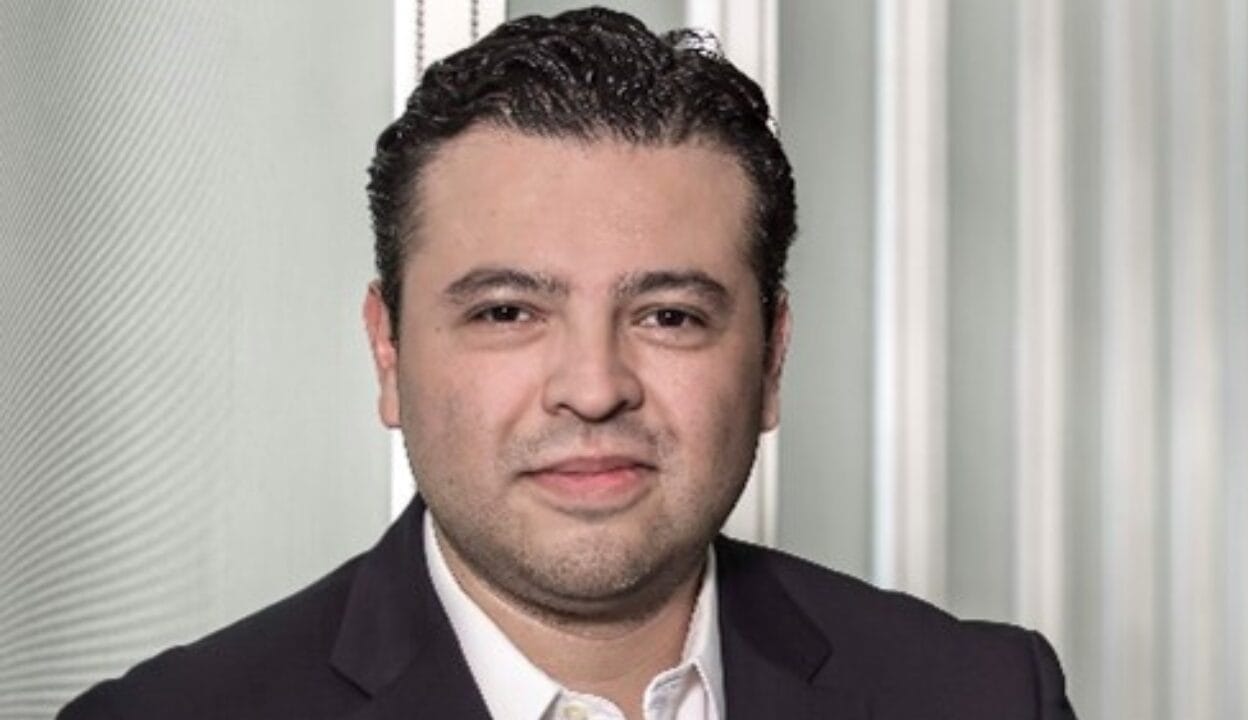

SURA Mexico, the $60 billion Mexican pension fund for 8 million beneficiaries, began investing in private equity in 2019 when it launched a multi-year capital commitment programme. Today, the fund, which is forecast to double in assets under management by 2031, sits on 20 LPAC committees in coveted relationships that will stretch beyond the current cycle with the likes of KKR and CVC Capital Partners.
“From what we hear from our GPs, Mexico and the Middle East are currently the two most dynamic fundraising environments. That will change, but we are determined to take advantage of this window,” says CIO Andres Moreno in an interview from the fund’s Mexico City offices.
New private equity investors like SURA Mexico have been able to muscle in on prized GP relationships because the lack of exits has meant many long-standing LPs have been unable to reup in new vintages. But SURA Mexico has also earned its place at the top table. It boasts its own scale (growing at 20 per cent per annum) and also brings its connection with pension funds under the wider group, Afore SURA, which oversees funds in countries like Colombia and Chile together manage $180 billion in assets under management.
Unlike some new defined contribution pension funds like the UK’s NEST, SURA Mexico pays private equity performance fees.
But Moreno, CIO since 2018, has still negotiated low enough fees to offer beneficiaries – only charged 57 basis points – the chance to invest in mega cap buyout funds, venture, growth and secondaries, opening the door to strategies that would normally be out of reach for Mexican savers, some of whom only have pension pots of $5,000.
Recently, the portfolio was expanded to include private credit for those closer to retiring.
“We have negotiated cheaper fees than standard 2:20 and co-investment opportunities with no fee-bearing capital commitments. Some people in Mexico have accounts of just $5,000 and would never normally be able to invest with the KKRs of this world. We have the ability to access some of the best investment strategies for them at very competitive costs.”
The private equity strategy is only one example of SURA Mexico’s growing confidence. Something it shares with the country’s $350 billion pension industry which now accounts for around 20 per cent of Mexico’s GDP. Moreno believes it is rooted in the sector’s success in driving reforms that have reshaped the system. Like successfully lobbying the government to enable pension funds to invest in private assets, where SURA Mexico now puts around 20 per cent of its AUM. Or pushing for the ability to invest more in equity in 2018 in a reform that opened the door to active management for the first time. Policy makers also ruled out beneficiaries withdrawing money from their pension funds during the pandemic which has depleted pension funds in Peru and South Africa.
“We have changed the pension fund industry by pushing for increased contributions and proposing changes that have opened up the investment regime. Policy makers are constrained by their political mandates, but they do hear us,” he says.
pressing pause on infrastructure
Today, Moreno’s focus is on persuading the government to do more to support investment in local infrastructure. It’s an asset class he wants to invest more but has just pressed pause, blaming growing uncertainty in the contractual agreements between the government and investors.
The risk of the government reneging on tariffs linked to, say, utility or road investments which guarantee returns has spiked, changing the economics of projects. A cohort of lawyers sits in SURA Mexico’s investment team, overseeing contractual agreements between the government and the fund, but judicial reform in Mexico whereby voters now elect all judges suggests more contractual uncertainty ahead.
“The political situation and judicial reform is creating volatility and things are starting to get shaky in Mexico. We are very focused on the risks in long term investment, especially in local infrastructure, because these investments involve reaching an agreement with the government.”
It’s a source of frustration because infrastructure investment is a good way to showcase how pension fund investment can change an economy. Especially in a culture where a cohort of people still view paying into a pension as a form of tax and “don’t think the money belongs to them.”
“We are mindful of our social role in the economy. The only way we can be sustainable is if we are relevant to our 8 million clients. Every time we deploy one dollar, we have to work on the development of our markets.”
High growth asset allocation
Assets are divided between ten different strategies with different glide paths according to beneficiaries’ age and risk appetite. The public equity allocation in the different funds ranges from 15-60 per cent, averaging at around 40 per cent.
SURA Mexico invests passively in US equity, but in Europe and Asia, where he believes it’s easier to tap alpha, the fund has mandated active strategies to external managers benchmarked against a local index. “We want to do it smartly, but we are not placed to make decisions in far flung markets,” she says.
These manager relationships have also brought important knowledge transfer opportunities. Teams from Mexico travel to managers in developed markets to shadow investment teams and glean experience. “We have negotiated robust knowledge transfer agreements via secondments where we learn to do things better. It’s helping us develop our domestic market.”
The 75-person investment team run an increasingly sophisticated tech platform that spans BlackRock’s Alladin and other private market suits. “We’ve invested a lot to expand our competence,” he says. Outside private markets, the team marks to market the portfolio on a daily basis so the net asset value is reported daily. “We don’t have any off balance creative structures.”
He is confident Mexico can ride out the impact of US tariffs, as long as policymakers get it right.
“If rates are sky high and there is a fiscal contraction, then it will be hard for the peso to absorb shocks. Shocks will be absorbed by real variables instead, and we will end up with a recession. It really does depend on the policy reaction.”
And he notes that although the “Mexican factor” is deterring investment in infrastructure, that risk pays off handsomely in other areas. Listed Mexican corporates, for example, trade at a discount but derive most of their income from the US.
“You get the revenue certainty but with Mexican multiples. That is the sweet spot.”








Leave a Comment
You must be logged in to post a comment.
Login