
Real estate drags for Swiss fund MPK but climate proofing gathers momentum

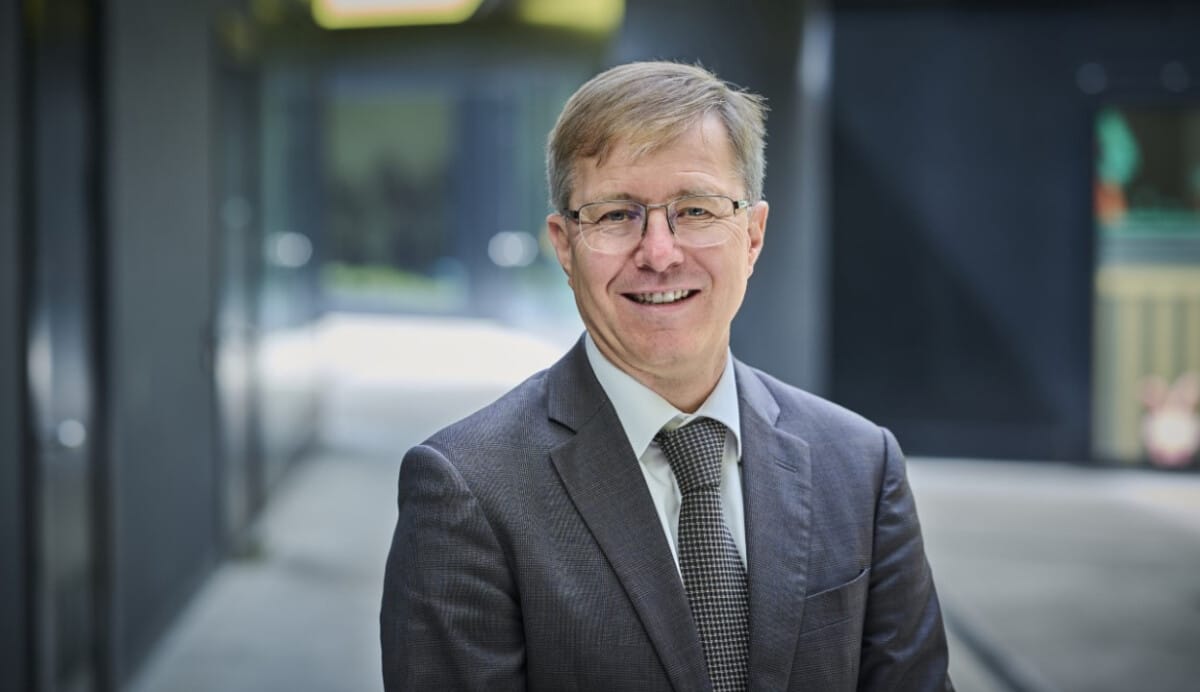
Migros-Pensionskasse (MPK) the CHF28.2 billion ($30 billion) pension fund for Switzerland’s largest retailer, Migros, has just posted returns of 3.7 per cent. MPK CEO Christoph Ryter told Top1000funds.com the below median performance, at least compared to MPK’s peers, was mostly attributable to its allocation to poorly performing local and international real estate that together amount to around 32 per cent of assets under management. The local portfolio returned 0.2 per cent and the international allocation -1.3 per cent.

The latest results contrast to last year when MPK’s high strategic allocation to real estate helped mute the impact of losses in equities and bonds and was the main reason the fund performed better than peers. Still, back then Ryter predicted gains in real estate valuations would begin to vanish, or turn negative.

Ryter isn’t planning any changes in the portfolio ahead of an asset liability management study this year. Conducted every four years, it will inform strategy from the beginning of 2025. MPK’s other allocations comprise nominal value investments (32.8 per cent of AUM) equities (27.7 per cent) and gold (2 per cent) as well as a 5 per cent allocation to infrastructure that sits in the property allocation.

Real estate woes

MPK divides its real estate portfolio between a larger, direct investment portfolio in Switzerland managed internally (comprising around 300 properties) and a smaller international allocation comprising fund investment and collective vehicles. The bulk of the domestic real estate allocation is invested in rental apartments where valuations and demand are usually supported by the increase in the number of people coming to live in Switzerland and a strong renting culture.

One challenge to the strategy in recent years has been finding enough properties in Switzerland to fill the target allocation. Buying and selling is slow, and finding projects and securing permits time-consuming.

MPK has made much progress preparing the real estate allocation for climate change. Strategies include replacing fossil fuel heating with heat pumps and connecting to a district heating network. However, Ryter said although real estate is one of the best asset classes to have an impact on cuttingemissions, it is also important to consider costs when integrating sustainability in real estate, and balancing costs with adding value.

Sponsored Content

Other initiatives include reducing resource consumption by better aligning consumption to changes in tenant behavior. Another initiative includes investigating the impact of improving insulation and airtight windows, and introducing LED lamps.

The pension fund reports that tenants’ need for charging options for electric vehicles continues to increase. New buildings take this trend into account from the planning stage. For existing properties, MPK will retrofit where necessary. Some 44 properties (14.8 per cent) have over 100 parking spaces with electric charging stations.

Rising interest rates have improved MPK’s coverage ratio, currently 129.4 per cent compared to 124.5 per cent in 2022. Meanwhile, MPK reported administrative costs per insured person are CHF 100.4 while the asset management costs were 35.1 centimes per CHF 100 of assets.

The number of insured people at the end of 2023 was 80,500 (300 more than in the previous year) of which 29,600 were pensioners.

Leave a Comment

PMT talks infra equity and how to balance stock concentration risk

PMT talks infra equity and how to balance stock concentration risk

Scenario testing has put inflation risk front and centre at PMT, the Netherlands’ third largest pension fund, and it's driving the investor to take stock of the inflation protection it gets from infrastructure. In an interview with Top1000funds.com, chief investment officer Hartwig Liersch unpacks the risk, as well as another initiative where it's balancing concentration risk in the equity allocation without hurting returns.

Sort content by

Limited talent pool hits diversity

Asset owners increasingly encourage their asset managers to improve diversity, but both owners and managers report the need to grow diverse talent coming into the investment industry, according to recent research.

The roads from Glasgow stretch out in front of us

COP26 has had many critiques and Roger Urwin's review, in this article, gives it just over half marks. The phrase ‘good COP, bad COP’ summarises it well and how to view it depends on framing and context.

Why engagement fails: APG and South Korea’s KEPCO

APG's Yoo Kyung Park offers insights into the challenges of engaging with state-owned monopolies and why APG finally threw in the towel with South Korea's KEPCO.

ATP pushes green bond due diligence to counter greenwashing

Danish pension fund, the DKK 925 billion ($140 billion) ATP, is protecting against greenwashing in its growing allocation to green bonds with a variety of in-house screening processes.

South Africa’s GEPF gets tough on the PIC

Africa's largest pension fund has redrawn its mandate with its asset manager PIC introducing a clause around consequence management that leaves the PIC liable in the event of inappropriate investment decisions. Elsewhere the fund has just raised the ceiling on its ability to invest more overseas.

Investor support key to success for the International Sustainability Standards Board

Professors at Oxford University, Richard Barker and Bob Eccles, outline the key factors for success of the International Sustainability Standards Board, which was announced at COP26. They say investors need to visibly and vocally encourage both companies and regulators to support the ISSB. 

Previous



