
Navigating the ESG labyrinth

Robeco has long believed in sustainable investing and in the 1990s was one of the first asset managers to take it seriously. From small beginnings, the integration of environmental, social and governance (ESG) factors in the investment process has grown exponentially over the past two decades. We embrace it wholly, integrating ESG criteria into the investment process for our entire range of fundamental equities, fixed income, quantitative and bespoke sustainability strategies. And it is not just us: over half of all asset managers in Europe now use sustainable investing in one form or another, according to the Global Sustainable Investment Alliance.

A fiduciary duty to make money for stakeholders now means that ignoring ESG is more likely to cost you performance than enhance it. It is our firm belief that integrating ESG will also lead to better-informed investment decisions and reduce the overall risk of a portfolio. Trends such as climate change, resource scarcity and greater regulation affect companies more than ever before, but they also provide opportunities for new markets in areas such as renewable energy or cybersecurity. So, it pays to be well informed about how sustainable investing works, and what it can do for clients.

For Robeco, this means more than just offering sustainable investment funds. Integrated sustainability also means using our position as a shareholder or bondholder to effect change at companies through active ownership, typically through voting and engagement. It also includes impact investing, where an investment is aimed at achieving a social purpose such as meeting one of the UN’s Sustainable Development Goals (SDGs) as well as earning a financial return. And it still means adopting key exclusions, such as refusing to buy shares in controversial weapons makers or tobacco producers. We think of these as building blocks to be configured appropriately to suit each asset class, strategy or client.

As the world moves on, sustainable investing now means combining both healthy returns and a positive effect on the world around us; to create wealth and well-being that meets the needs of the present generation without compromising those of generations to come.

In this handy guide, we share the knowledge and experience we have gained from decades of sustainable investing. After detailing the main approaches, we examine how sustainability techniques are applied across asset classes. And we highlight key questions to consider when you are assessing the ability of asset managers to deliver what is increasingly a mainstream style.

Click here to read the full paper. 

Sponsored Content

Leave a Comment

China ESG risk: the next unknown

China ESG risk: the next unknown

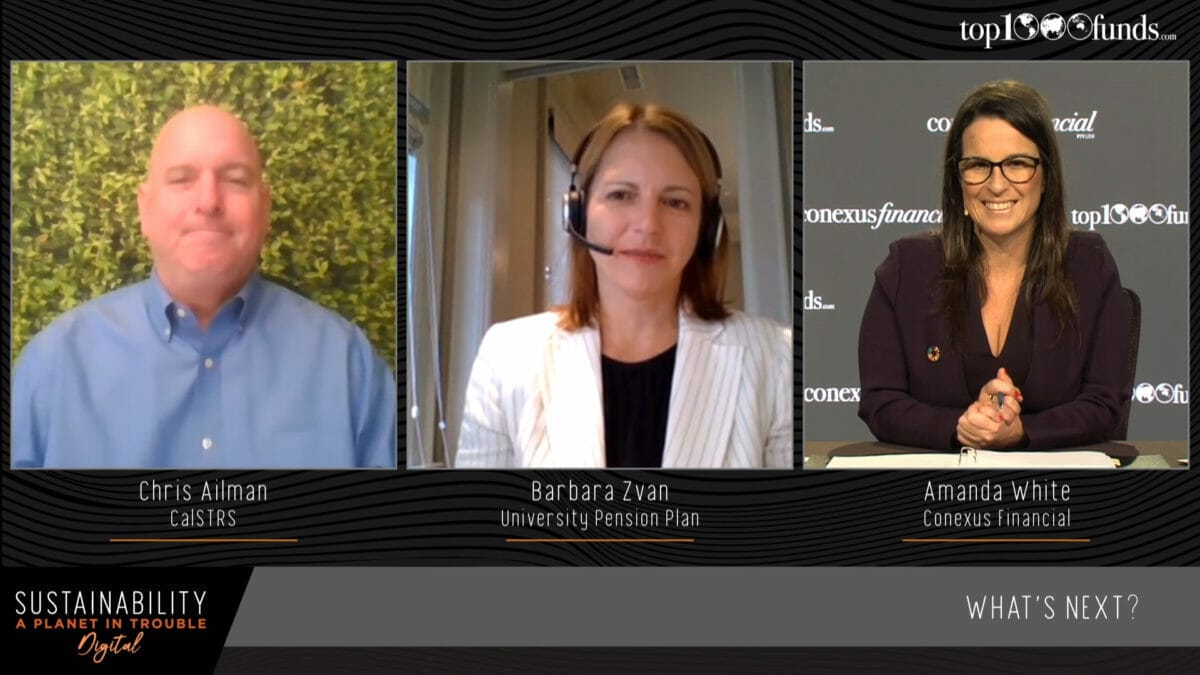
One of the most important, upcoming challenges at CalSTRS is how the fund should evaluate Chinese investments from a human capital and environmental standpoint, says Chris Ailman, chief investment officer at the giant pension fund.

Sort content by

Why capitalism needs to be reformed

By Ray Dalio, co-chief investment officer and co-chair, Bridgewater Associates

Investors continue to align with SDGs

Five years on since the SDGs were launched, an increasing number of investors are putting capital to work to earn returns alongside helping solve global scourges like the climate crisis, poverty and inequality. Sarah Rundell looks at New York Common Fund and Denmark's PKA among others.

Beyond green bonds

The European Union's rescue plan will give a huge boost to an already thriving market for green bonds and other instruments that promote sustainability. But investors need to be wary: green comes in many shades.

Overcoming deepening inequality: CalPERS

How can investors work together to combat inequality? In this podcast episode Amanda White speaks to the president of CalPERS, Henry Jones, about his own experience and the fund's journey in tackling diversity and inclusion, in particular issues of racism.

New investment-led net zero framework

More than 70 investors have collaborated to produce a framework for an investment strategy led approach to decarbonising portfolios and maximising efforts to achieve net zero emissions globally by 2050. The IIGCC, which developed the framework, is seeking consultation.

The EU Commission’s renewed sustainable

Deciphering the jargon of white collar gamblers.

Previous