
Building back better

For the economic recovery from the COVID-19 crisis to be durable and resilient, a return to ‘business as usual’ and environmentally destructive investment patterns and activities must be avoided. Unchecked, global environmental emergencies such as climate change and biodiversity loss could cause social and economic damages far larger than those caused by COVID-19. To avoid this, economic recovery packages should be designed to “build back better”. This means doing more than getting economies and livelihoods quickly back on their feet. Recovery policies also need to trigger investment and behavioural changes that will reduce the likelihood of future shocks and increase society’s resilience to them when they do occur. Central to this approach is a focus on well-being and inclusiveness. Other key dimensions for assessing whether recovery packages can “build back better” include alignment with long-term emission reduction goals, factoring in resilience to climate impacts, slowing biodiversity loss and increasing circularity of supply chains. In practice, well-designed recovery policies can cover several of these dimensions at once, such as catalysing the shift towards accessibility-based mobility systems, and investing in low-carbon and decentralised electricity systems.

Click here to read the full report

Sponsored Content

Leave a Comment

China ESG risk: the next unknown

China ESG risk: the next unknown

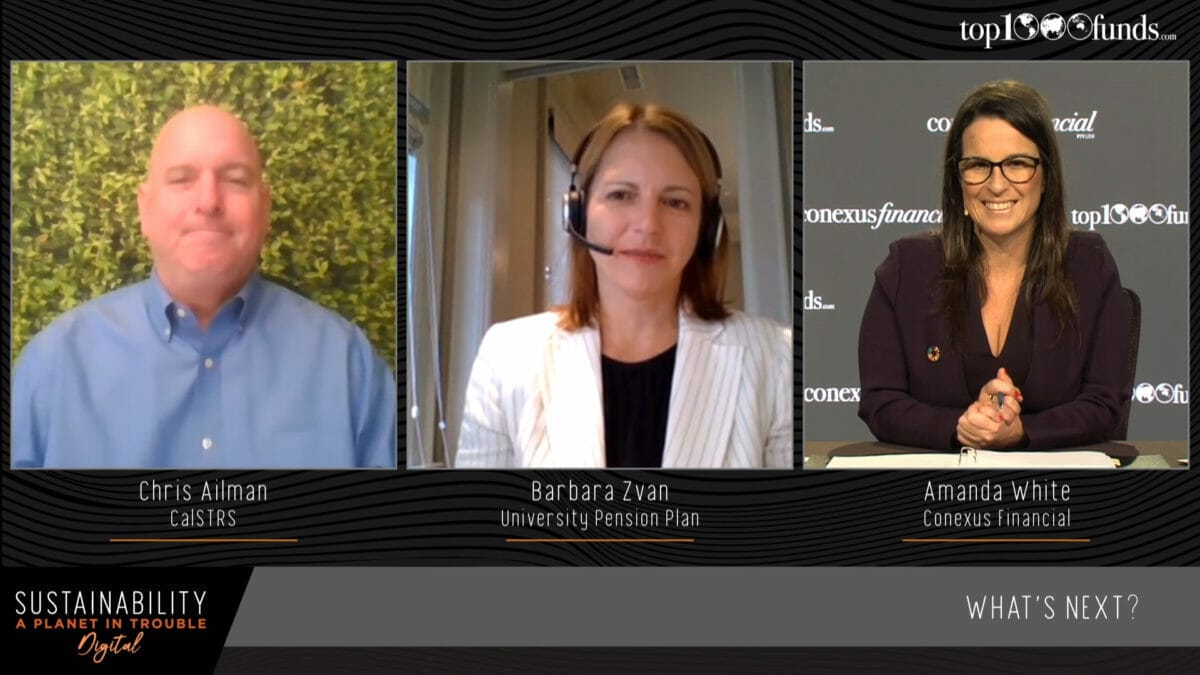
One of the most important, upcoming challenges at CalSTRS is how the fund should evaluate Chinese investments from a human capital and environmental standpoint, says Chris Ailman, chief investment officer at the giant pension fund.

Sort content by

Why capitalism needs to be reformed

By Ray Dalio, co-chief investment officer and co-chair, Bridgewater Associates

Investors continue to align with SDGs

Five years on since the SDGs were launched, an increasing number of investors are putting capital to work to earn returns alongside helping solve global scourges like the climate crisis, poverty and inequality. Sarah Rundell looks at New York Common Fund and Denmark's PKA among others.

Beyond green bonds

The European Union's rescue plan will give a huge boost to an already thriving market for green bonds and other instruments that promote sustainability. But investors need to be wary: green comes in many shades.

Overcoming deepening inequality: CalPERS

How can investors work together to combat inequality? In this podcast episode Amanda White speaks to the president of CalPERS, Henry Jones, about his own experience and the fund's journey in tackling diversity and inclusion, in particular issues of racism.

New investment-led net zero framework

More than 70 investors have collaborated to produce a framework for an investment strategy led approach to decarbonising portfolios and maximising efforts to achieve net zero emissions globally by 2050. The IIGCC, which developed the framework, is seeking consultation.

The EU Commission’s renewed sustainable

Deciphering the jargon of white collar gamblers.

Previous