
Building back better

For the economic recovery from the COVID-19 crisis to be durable and resilient, a return to ‘business as usual’ and environmentally destructive investment patterns and activities must be avoided. Unchecked, global environmental emergencies such as climate change and biodiversity loss could cause social and economic damages far larger than those caused by COVID-19. To avoid this, economic recovery packages should be designed to “build back better”. This means doing more than getting economies and livelihoods quickly back on their feet. Recovery policies also need to trigger investment and behavioural changes that will reduce the likelihood of future shocks and increase society’s resilience to them when they do occur. Central to this approach is a focus on well-being and inclusiveness. Other key dimensions for assessing whether recovery packages can “build back better” include alignment with long-term emission reduction goals, factoring in resilience to climate impacts, slowing biodiversity loss and increasing circularity of supply chains. In practice, well-designed recovery policies can cover several of these dimensions at once, such as catalysing the shift towards accessibility-based mobility systems, and investing in low-carbon and decentralised electricity systems.

Click here to read the full report

Sponsored Content

Leave a Comment

China ESG risk: the next unknown

China ESG risk: the next unknown

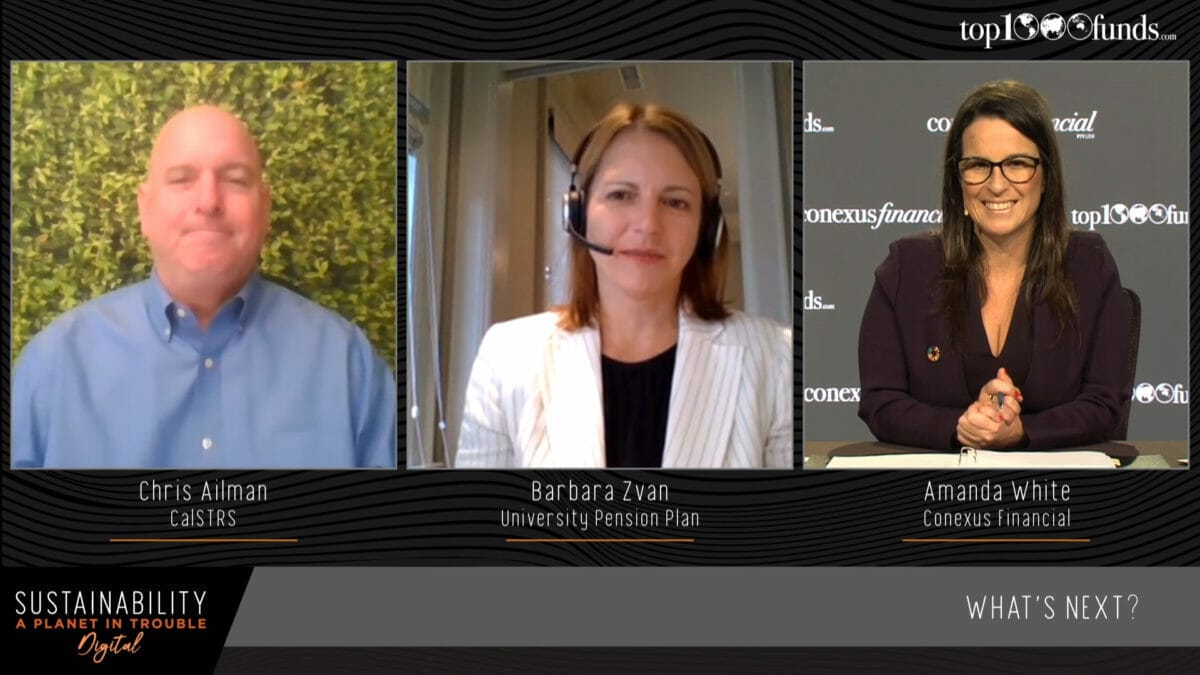
One of the most important, upcoming challenges at CalSTRS is how the fund should evaluate Chinese investments from a human capital and environmental standpoint, says Chris Ailman, chief investment officer at the giant pension fund.

Sort content by

No equality without everyone

This piece is part of Disability Demands Justice, a dynamic, ever-evolving hub by the Ford Foundation to deepen our understanding of how disability intersects with social justice.

The path to a sustainable economy

This episode explores the key pillars of a sustainable recovery including the three important long term trends that need to be addressed climate change, loss of biodiversity and inequality. It explores the key role for the finance industry which includes building new models that are not only about maximising monetary profits but also transition theory, and the value of ecological and social capital.

The need for urgent action on climate

Nigel Topping who was appointed by the UK Government as the High Level Climate Action Champion for United Nations climate talks, COP26 joins Fiona Reynolds, chief executive of the PRI, in conversation with Amanda White, editor of Top1000funds.com This episode focuses on climate change and how, amongst and despite, the short-term focus of this COVID-19 crisis, we can mobilise government, business and investors into action around this important issue of climate change.

Embrace a systems framework

COVID-19 has revealed some fundamental design flaws in our global economy, including the relentless pursuit of economic growth - not only at the expense of the environment but also at the expense of people. The investment industry has a role to play in fixing these design flaws. A systems framework for investing could be the answer.

Building back better

For the economic recovery from the COVID-19 crisis to be durable and resilient, a return to ‘business as usual’ and environmentally destructive investment patterns and activities must be avoided. To avoid this, economic recovery packages should be designed to “build back better”.

Fiscal recovery packages and climate

As we move from the rescue to the recovery phase of the COVID-19 response, policy-makers have an opportunity to invest in productive assets for the long-term.

Previous