
How to fix a broken labour market

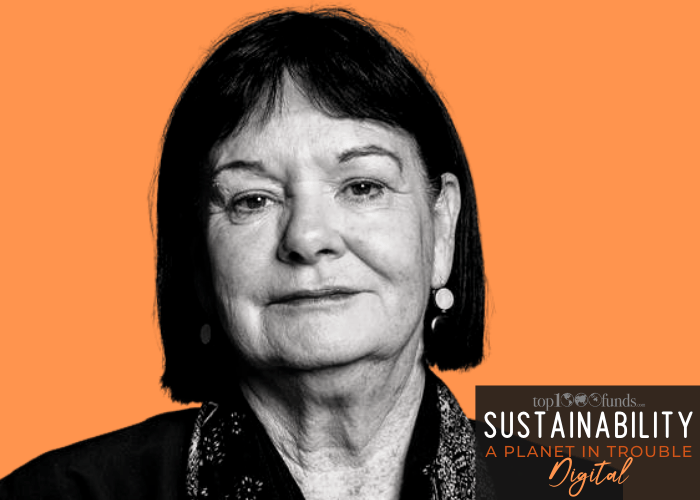
Sharan Burrow, general secretary of the International Trade Union Confederation, is calling on investors to do more to fix what she calls a broken labour market.

In an impassioned call to delegates at “Sustainability Digital; A Planet in Trouble,” Sharan Burrow, general secretary of the International Trade Union Confederation which represents 200 million workers in 163 countries called on institutional investors to do more to protect workers rights.

She said investors can choose to have an impact and shouldn’t put “making a profit” before “dehumanizing workers.”

She said investors need to ensure they are supporting democracy and that their capital is going to build strong companies that contribute to jobs and security. Moreover investors have a stake in repairing the broken social contract between workers and business because they invest workers capital.

A labour market that offers no security for workers or adequate retirement provision is good for neither business, investors or sustainability, said Burrow.

In what she called a “moment of truth,” she asked if business leaders and investors are prepared to reform the current model. She warned of conflict, already visible, if this didn’t happen, and noted that investors willingness to make change is often dependent on change not “effecting their environment.”

Sponsored Content

Burrow also highlighted the importance of a Just Transition that creates new jobs for those whose jobs disappear in the new economy. She highlights the auto sector particularly, where the transition to a low carbon economy is already having an impact on jobs and skills.

“Labour’s share of income has slumped and so many workers live day to day,” she said, calling for equality of race and gender to rebuild trust. “All investments must have a rights and sustainability lens; ESG is no longer an option.”

Burrow questioned whether global monopolistic companies were sustainable, suggesting they should be broken up.

She said workers need occupational health and safety, a minimum living way and control over the number of hours they work.

Reflecting how the Biden administration will impact workers rights, she noted the conflict inherent in the US between strong unions on one hand and resistance to human rights and labour laws from business that comes from the top on the other.

However, she said Biden was “a friend” to the union movement and would support freedom of association, but that he also had an eye on the economy and the urgent need to transition.

Burrow said that it is impossible to build a sustainable economy that doesn’t include benefits for labour and people. She also flagged worrying challenges in democracy, concluding that “many young people” no longer believe that democracy is good for them.

Leave a Comment

Climate the No.1 priority for 2021

Climate the No.1 priority for 2021

Climate is by far the number one sustainability priority for investors in 2021 according to a poll of asset owners from more than 32 countries which came together for the Top1000funds.com online Sustainability event in March.

Sort content by

Regulation will enhance sustainability

Integrating sustainability into investments will become much higher profile under new EU regulations that take effect this year. Coming into force over the course of 2021, the EU’s Sustainable Finance Action Plan represents one of the most impactful pieces of regulation to hit the investment management industry since MiFID II beefed up reporting and transparency in 2018.  A core tenet of the plan is the Sustainable Finance Disclosure Regulation (SFDR), which will classify investment funds according to their sustainability credentials for the first time.

The future of energy

The election of Joe Biden as America’s 46th President is just one more important signal that change is imminent, for energy markets and the broader economy. With the world aligned and committed in the fight against climate change, the global movement towards a sustainable energy supply is gaining considerable momentum.

AM’s yet to embrace sustainability

Proxy voting is a powerful tool for shareholders to steer corporate agendas towards sustainability-focused decision making. Despite the increased attention to the integration of sustainability in investment solutions, asset managers generally vote against environmental and social proposals. This trend is more pronounced among large and passive players.

Big Book of Sustainable Investing

The title says it all. In The Big Book of SI, we analyze sustainable investing today and examine the trends that will shape our future. This new publication also gives investors guidelines on implementation, includes interviews with experts and client cases, and highlights the link between ESG integration and performance. All that in just 102 pages.

SWFs need to move on climate

Sovereign wealth funds need to take immediate action to mitigate the effects of climate change, according to a first of its kind survey of sovereign wealth funds.

Behind OTPP’s net zero 2050 plan

Ontario Teachers' has launched its plan to reach net-zero portfolio emissions by 2050, the culmination of a decade of work by the fund in addressing climate change. Amanda White looks at the fund’s climate journey, which has significant lessons for other funds looking to move to net zero.

Previous