

Private equity has the potential to play a strong role in decarbonising portfolios, but many funds are lagging both in transparency and in action towards net zero, investors from Harvard and Oxford endowments and the French fund Caisse de Depots said in a panel discussion looking at the challenges of integrating sustainability in alternative asset classes.
Private equity is, in theory, the best place for investors to improve carbon metrics, said Joël Prohin, head of the investment management department at French public sector financial institution Caisse des Depots. “Usually the GP has a majority stake in the company, he has the possibility to impose to the management some changes, some triggers.”
But “in practice they are lagging behind,” he said, as often public companies are carving out carbon intensive assets and selling them to private equity. “And so you have the burden which is transferred from the public space to the private space.”
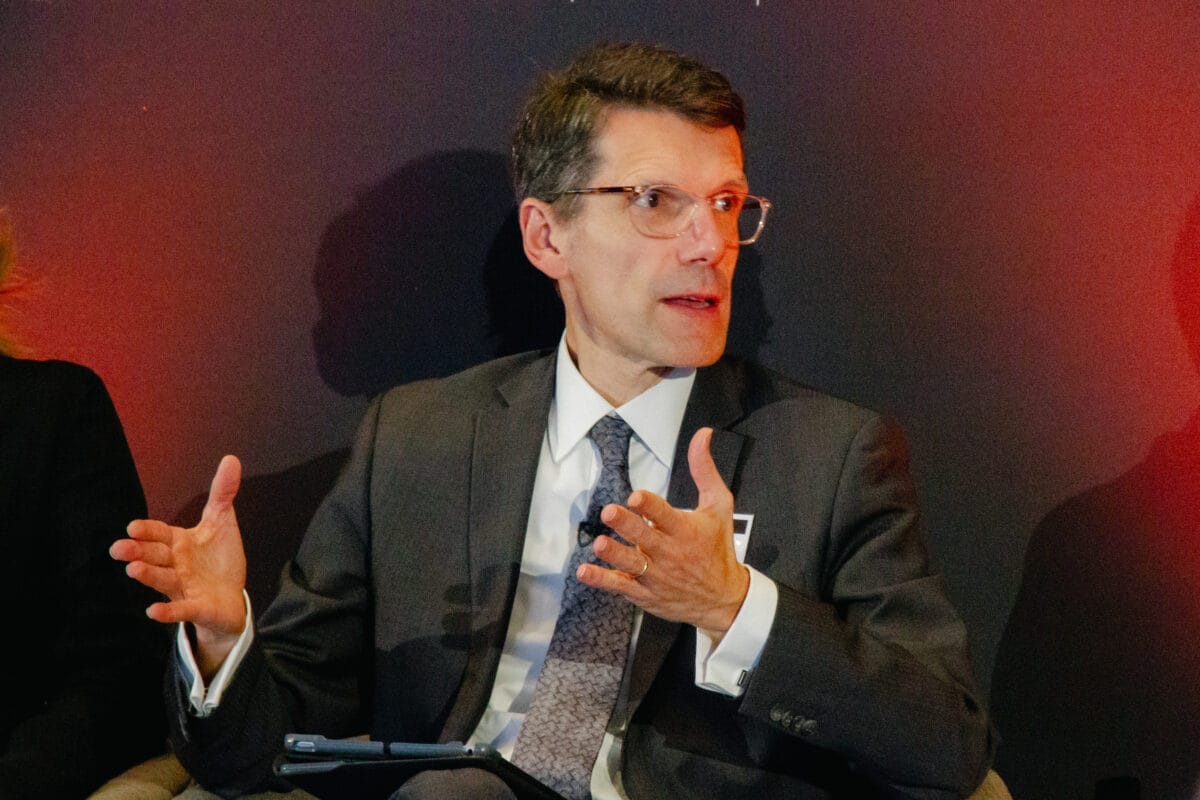
Speaking at the Sustainability in Practice conference, organised by Top1000funds.com and held at Oxford University, Prohin (pictured) said Caisse des Depots manages its listed investments internally, but delegates its private equity investments to GPs, which makes it hard to have a direct impact on the private companies and their practices.
While many private managers will publish green reports, this is “not the main focus they have,” and while there are often many LPs in different countries, they have not been able to organise to push the GP towards action, he said.
Investors hand over significant fees to private equity funds without expecting the same reporting standards as they require from global listed asset managers, he said. “Could we not ask private equity managers to devote a little part of the huge amount of fees we are allocating to them, to hire people devoted to biodiversity, climate, social issues?”
Olivier Lebleu, senior adviser at not-for-profit organisation FCLTGlobal, said private equity has a large role to play in dealing with investments that promise strong returns but add higher carbon intensity to a portfolio.
“The time horizon match between what’s required for successful decarbonisation and actually realising the return potential is best met by investment structures that have a long-term horizon embedded in how they build their investment programs, such as with private equity or private market managers, broadly defined,” Lebleu said.
It also should be much easier than with public markets to achieve alignment in private equity governance structures, he said, “through easier bilateral discussions between LPs and GPs than you could have between shareholders of a public company and its board.”
Having the right incentives usually leads to better outcomes, he said, including adding a decarbonisation target next to a hurdle rate and “making it not an either/or but an and/and”; triggering catch-up fees once decarbonisation targets have been achieved; and increasing or decreasing incentives based on whether decarbonisation is met faster or slower than the plan.
Antonia Coad, head of sustainability at the Oxford University endowment, said the endowment tends to “avoid anything [in private equity] that we can source on the public markets, so our private equity is often smaller companies who would struggle on the public market.”
Looking at sustainability and ESG “simply through the eyes of risk,” the endowment does ESG due diligence before investing in a group to ensure alignment.
“We actually have pretty excellent look-through in terms of across our whole portfolio into the companies that they are investing in,” Coad said.
Michael Cappucci, head of sustainability at Harvard Management Company in the US, discussed some of the difficulties university endowments face in obtaining the data necessary to publish carbon intensity numbers, with much of their alpha coming from alternative asset classes.







Leave a Comment
You must be logged in to post a comment.
Login