

Private asset managers can expect to work harder for LP capital as allocators increasingly look for more bespoke, flexible fund structures that meet their changing needs around liquidity, fee and types of investment exposures.
Blue Owl Capital, which manages $295 billion on behalf of clients, is acutely aware that narratives around private investments are changing.
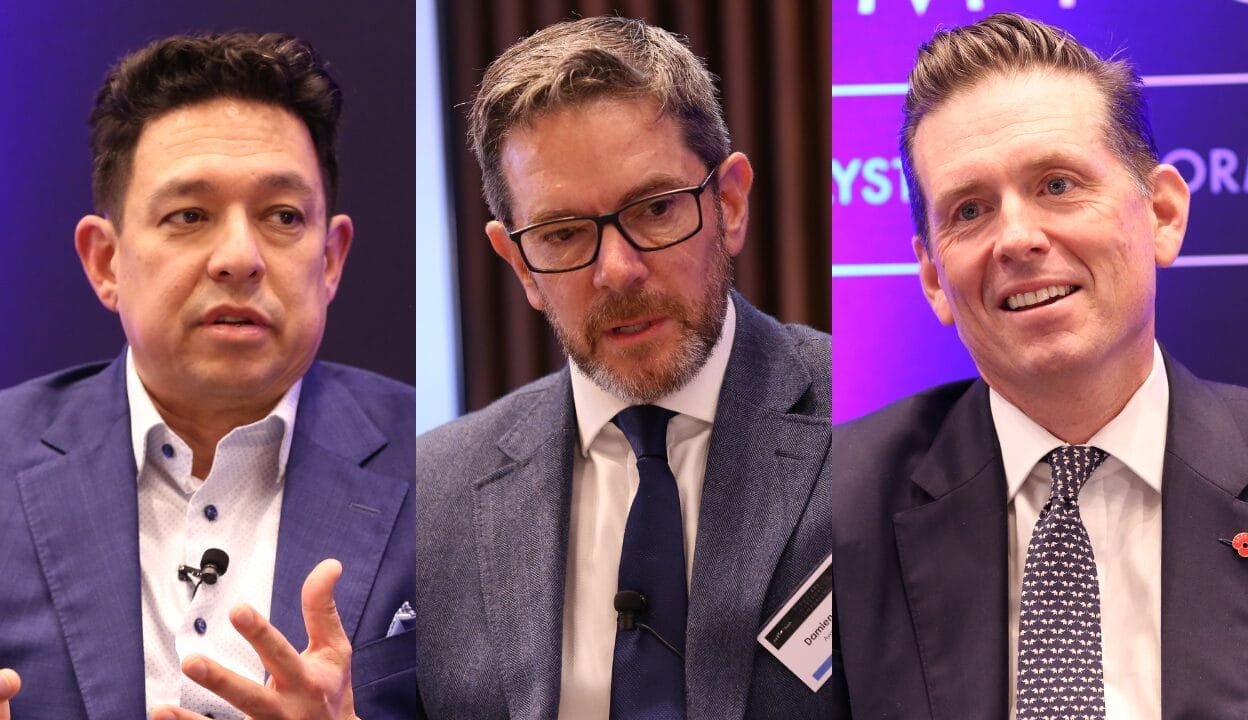
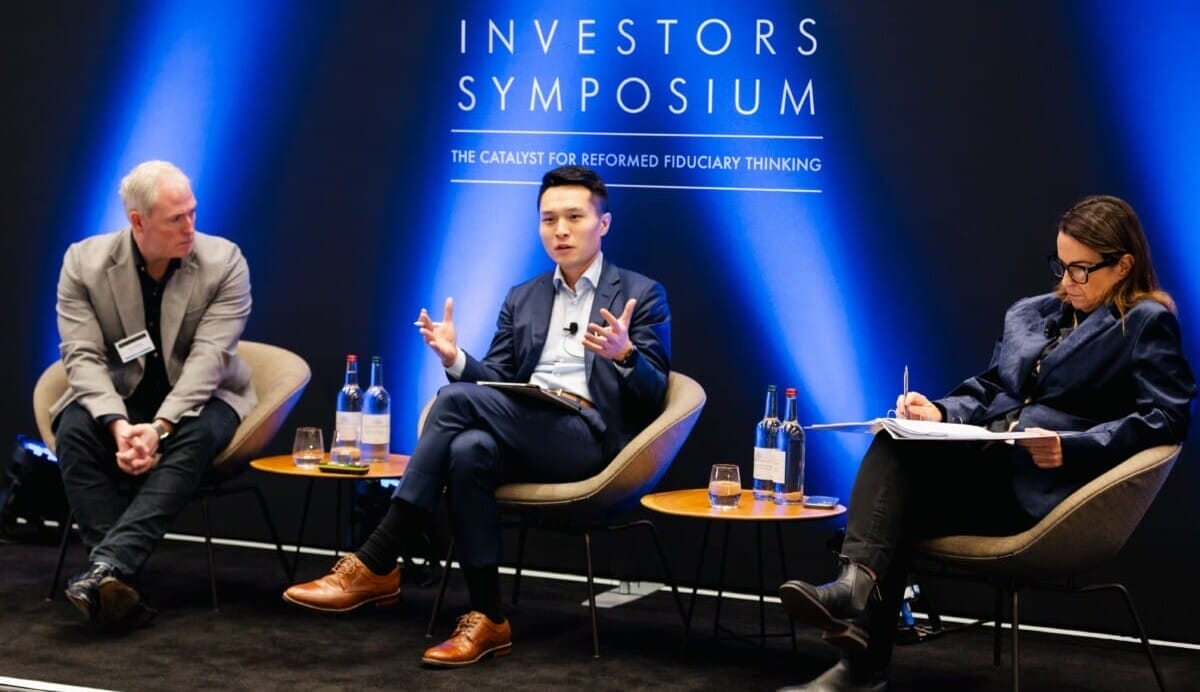
“A lot of us [private markets managers] have had this 40-mile per hour tailwind behind our back since the financial crisis, where money has essentially been free and it’s been underallocated to private markets,” Blue Owl global head of institutional capital, James Clarke, told the Fiduciary Investors Symposium at Oxford University.
“They’ve essentially treated their clients like a piñata that they hit with a stick until the money comes out – that’s not good enough anymore, because the wind has changed and it’s in our face.”
It’s now more critical than ever that managers do the work and understand allocators’ goals around liabilities and performance for the bespoke solutions, he said. While more private asset managers are seeking new sources of capital in the wealth space, Clarke said institutional investors remain “the bedrock of any successful asset management firm”.
“They are loyal, provided you deliver good performance and provided you treat them as partners, so it’s fundamentally important,” he said.
The M.J. Murdock Charitable Trust, a US not-for-profit endowment, said it has been on a journey in the past two years to transform illiquid private markets investments into semi-liquid structures.
It moved assets out of three traditional closed-end infrastructure funds into a bespoke sleeve with the same manager in a bid to have better control of deployment pacing. It is now having similar conversations with its real estate and credit fund managers.
“We’ve created for ourselves a lot of optionality. If you’re a person of corporate finance, you know that options create value, and the more options you have, the more value,” the endowment’s chief investment officer Elmer Huh said.
“[We want to see] if we can create – not your traditional SMA (separately managed accounts), not your traditional evergreen vehicle – but something that’s much more bespoke, much more flexible, where you have the control and you can use their subscription line as a synthetic proxy of NAV financing to accelerate or delay your capital calls.
The foundation has around “pretty aggressive” private markets allocation of 66 per cent, which speaks to the value of its late founder Jack Murdock and its cultural DNA of technology and innovation.
By creating more liquid private fund structures, the foundation ensures that it can pay grants to not-for-profit partners out of its cash reserve – which amounts to around $100 million a year – and still have the option to deploy down the road, Huh said.
Changing needs of investors
Damien Webb, deputy chief investment officer of Australia’s Aware Super, said that as investors evolve, their needs as LPs also change. The fund is the third largest player in Australia’s fast-growing defined contribution system, and its assets under management have grown from A$40 billion ($26 billion) a decade ago to A$230 billion ($150 billion) today.
“We’ve had to reinvent ourselves as an organisation every five years – like fundamentally, soup to nuts,” he said. “From the chair and the board, down to the investment team, legal, tax, ops, DD, portfolio and value creation. So the reality for us is that we think about what portfolio do we want to own, and we spend a lot of time thinking about the [factor] exposures.”
“The conversation around are [private markets] funds dead, it’s really around what is the access point… For us, I think the answer then splits very much by asset class.”
For example, funds are still a significant part of Aware Super’s private equity investments, which account for eight per cent of the total fund allocation. It has a “high-alpha” approach and an appetite for first-time funds, seeking opportunities in co-investments and secondaries with deeper, more global relationships.
But the dynamic is entirely different in real assets. Over the past 12 years, Webb said that Aware Super moved from investing in core evergreen funds, to individually managed accounts and joint ventures, and finally to master relationships whereby it allocates a huge amount of capital to a single global manager. “That didn’t quite work,” he said.
The fund also operates a separate real estate platform, Aware Real Estate, which invests in Australian industrial, commercial, and retail/mixed-use sectors.
“Now we’re at point where we’re really leaning into real estate operating companies. There is still very much a role for fund managers. It’s just we usually use them for very bespoke things in that operating company, like origination or value creation or particular things,” Webb said.
But amid the changes, what remains constant is that sound relationships between LPs and GPs are the prerequisites for great investments. M.J. Murdock Charitable Trust’s Huh said the quality that the allocator wants to see above all else in GPs is “humility”.
“Every private investor has a black eye, there’s no one with a 100 per cent great track record,” he said.
“We sometimes spend anywhere from six months to three years getting to know the manager – it’s like slow dating – and it’s really hard to not spend the time and figure out where the warts are, so we want to know what’s the low point of your existence as a fund manager.
“If you don’t get a proper answer of ‘hey, I’m glad you asked that, let’s talk about that’… You kind of ran into a manager who’s just more of an asset gatherer.”
M.J. Murdock Charitable Trust has high conviction in its managers – around six firms look after 60 per cent of the portfolio. But even great relationships come to an end as the fund let go of four managers with which it has been working with for more than 25 years.
“If you have a relationship with a manager and you have to deliver bad news, there’s a high level of respect because you’re principled on why you’re leaving and what you need to do for the portfolio,” Huh said.
“In this business, it’s very hard to find those managers.”







Leave a Comment
You must be logged in to post a comment.
Login