
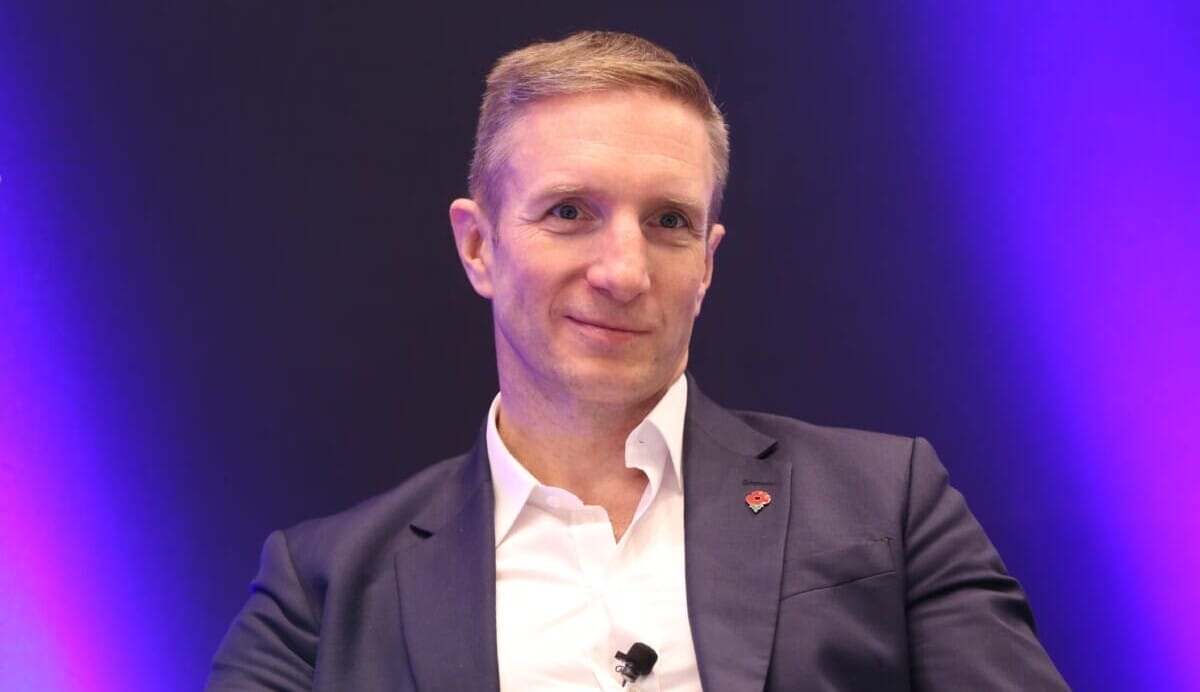

Europe is receiving unprecedented attention from investors who were startled earlier this year by the Liberation Day tariffs and rotated out of the US market. But a lack of integration among the fragmented European regulatory and market structures is not helping investors put their capital to work in the region, according to Apollo.
Tristram Leach, head of investments and co-head of European credit at the $908 billion manager, said there is a new impetus for change in the European capital markets, but also many speed bumps, such as the vastly different insolvency regimes and stock market regulations between nations.
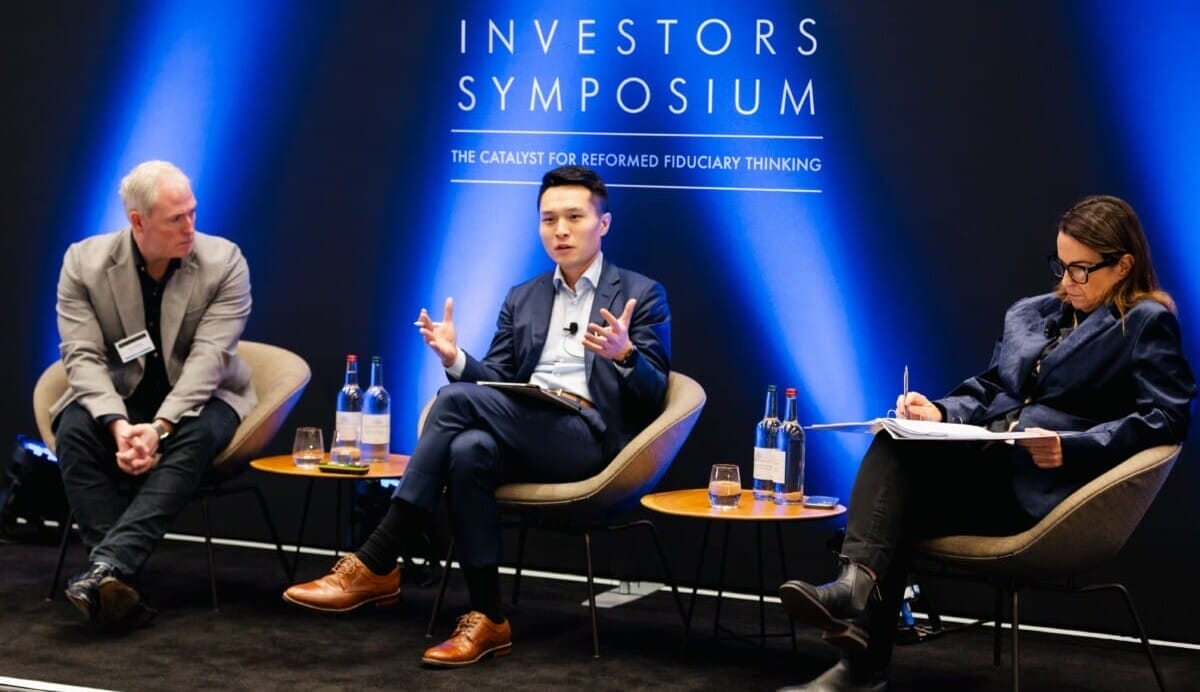
“Personally and possibly for many people in this room, the Capital Markets Union is going to be very, very important,” he told the Top1000funds.com Fiduciary Investors Symposium at Oxford University, referring to the economic policy initiative that aims to strengthen European financial markets’ competitiveness. “That means allowing capital to address opportunities across Europe without some of these frankly arbitrary barriers.”
Solutions proposed so far include the introduction of a 28th regime in the European Union where businesses – and particularly small and innovative enterprises – can apply Europe-wide standards.
“Creating the environment whereby the reforms can happen is a big part of the challenge that Europe faces, because the roadmap is there,” Leach said.
“I think there’s buy-in at the Europe level and a lot of national, political elite levels, but it’s getting buy-in through electorates across elections and multiple geographies that’s really the challenge.”
In terms of specific investment themes, defence is a much-discussed subject in Europe but Leach said opportunities are likely to revolve around supply chains and partnerships with defence original equipment manufacturers (OEMs) rather than around “big national projects”.
Germany is better placed to borrow more off its sovereign balance sheet than most other EU countries, which are already debt-ridden due to the need to fund various competing objectives, he said. Germany had a debt-to-GDP ratio of 62.4 per cent at the end of the second quarter in 2025, compared to the EU average of 81.9, according to the union’s official data.
Leach said private credit is a natural source of long-dated capital for investments like infrastructure and can complement public markets. But he rejected the suggestion that private credit is inherently riskier due to its opaqueness.
“Public investing can be both risky and safe, and private investing can be both risky and safe. I would go one step further and say these days, public investing can be both liquid and illiquid, and private investing can be both liquid and illiquid,” he said.
For an asset allocator that invests in private markets, the most critical thing is the “rigour of the underwrite”, as well as knowing that they are taking on the right risk and lending to the right companies regardless of format, Leach said.
“Being able to price those things appropriately and make sure you’ve been paid incrementally for liquidity characteristics, in the same way you would for credit characteristics, is a really important part of building a sophisticated asset manager appropriate to the needs of a world where these things are not separate categories,” he said.
“Private credit is overwhelmingly, appropriately asset liability matched and it doesn’t face, say, the risk of a bank run, and generally speaking, it’s not particularly levered either.
“The idea that there is increased systemic risk from private credit… I think is a challenging line to maintain.”







Leave a Comment
You must be logged in to post a comment.
Login