
Engineering equity return stream: Top-down, bottom-up

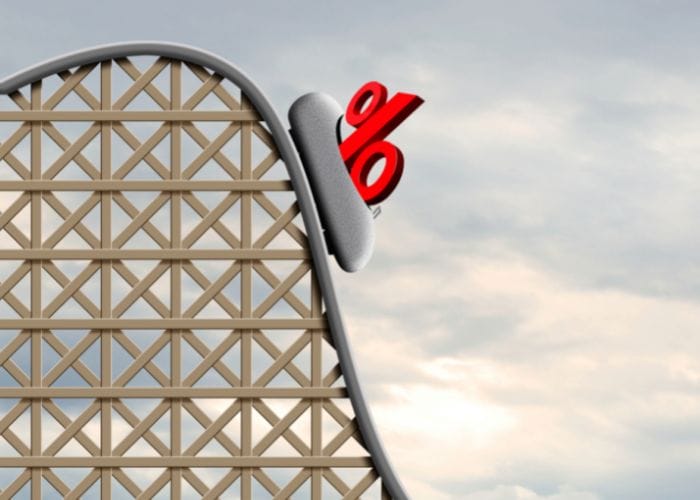
The world of zero interest rates presents a number of investment challenges and in our view calls for new ways of thinking in order to create new betas, new alphas, and new ways of constructing portfolios. Although there are no new asset classes, there is the potential to create new beta and alpha return streams from what exists. This is possible because macro conditions are manifest in the spending and incomes of businesses, creating the potential to engineer new cash flow streams from collections of companies whose cash flows and pricing are fundamentally driven by specified macro conditions. The returns of these engineered equity portfolios can be further refined by combining them with hedges or diversifying exposures in other liquid markets, and this can be done either passively or actively. The net result can be newly engineered return streams to create portfolios which have less risk at the same or higher returns as traditional equity or multi-asset portfolios, without holding nominal bonds.

One way that we have applied this way of thinking is through what we refer to as stable cash flow equities. The goal is to engineer a stable cash flow stream from equities in order to replicate some of the properties of a bond. The process starts with identifying stable and reliable types of spending in the economy, connecting that spending to the revenues received by the companies that offer those goods and services, and then screening for a relatively unobstructed passage of that revenue to earnings. The selected companies are effectively used as pass-through vehicles to earn a sliver of the cash flow stream generated by stable forms of spending in the economy. The constituents of the portfolio rotate over time to continuously source their income stream from the associated type of spending, creating a new cash flow stream that you can hold passively or manage tactically. Below is what that cash flow stream looks like compared to the cash flow stream of the overall equity market in the US since 1963 and in other developed countries since 1990.

Click here to read the full paper 

Sponsored Content

Leave a Comment

A post-COVID economy

A post-COVID economy

The big difference between the vaccine rollouts and the scale of the stimulus measures across the world could result in a K-shaped global economic recovery, with much of the developed world booming but poorer countries continuing to struggle. However the

Sort content by

Investor case study: Using AI in investments

Wei Xie explained the OPTrust focus on two subdomains of machine learning - reinforcement learning and uncertainty modelling - and how they can be used together.

Investing in the innovation economy

This session examined the venture capital landscape and how it has changed due to the pandemic.

In conversation with a venture capitalist

Todd Ruppert in conversation with serial entrepreneur and technology investor, Joe Lonsdale.

NEST’s PE challenge to the industry

The UK defined contribution fund, NEST has added a number of new asset classes to its portfolio over the past year – including infrastructure with a focus on renewables – but the fund is still missing an allocation to private equity. CIO Mark Fawcett spoke to Amanda White about the fund’s challenge to the industry on private equity fees, its focus on climate-aware portfolios and innovative approaches to portfolio management.

CalPERS CEO on the ALM challenge

The CEO of CalPERS Marcie Frost has a big year ahead. Not only is the fund still searching for a CIO, but it will also conduct its four-yearly asset liability study this year. Frost speaks to Amanda White about the challenges of the top job at the largest fund in the US and how she works to make sure the “real story” of CalPERS gets told.

Macro matters: Life after lockdown

This week marks the rather grim milestone of a year since the World Health Organisation declared the COVID-19 spread a global pandemic. But with vaccines being rolled out and lockdown easing, we might be glimpsing the light at the end of the tunnel. The big question remains: what will the world look like when lockdown is over?

Previous