8VC’s Lonsdale on the future of venture

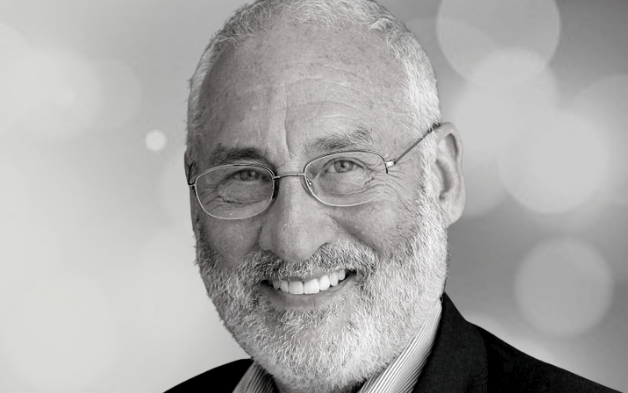
In an interview during FIS Digital 2021 Joe Lonsdale, founder and general partner, 8VC talks about his unique approach to venture investment with Todd Ruppert, chair, INSEAD endowment.

Venture capital investment involves working with the most talented individuals to build companies, which in turn hold the seeds of future companies, said veteran venture investor Joe Lonsdale. Success depends on moving with top talent and being across key trends and their wider ripple impact – like, for example, how smart phones triggered ride sharing.

Successful investment involves finding out what is newly possible that wasn’t five years ago, said Lonsdale.

“It is all about the talent you are with and the big, conceptual gaps in the world. What is it possible to do now that wasn’t possible five years ago?”

At 8VC investment in the biotech sector involves getting to know the technology and how it is driving innovation around key themes like cheap sequencing, gene editing, cell manipulation and therapy.

“We are doing a lot here,” he said, adding that biotech investment has the potential to be both profitable and good for the world. Most notably on the eve of the pandemic, when supply chain issues in the US pharmaceutical sector threatened the US response.

Sponsored Content

Seeing the challenge, Lonsdale was involved in establishing a first-of-its-kind manufacturing and technology company dedicated to broadening access to medicines and protecting the supply chain against disruption. Set up after two rounds of funding raised $800 million, Resilience Bio is both a good investment and good for the world.

Lonsdale is also at the forefront of investing in financial services, increasingly transformed by data, the cloud and APIs.

“There is a new demand as to how this stuff should work,” he said. One-8VC backed firm operating in this cutting-edge space is Addepar. The leading private wealth management technology company is an increasingly important investment platform in the family office space.

Indeed, it is this kind of investment services technology he wants to harness to allow more people to invest in alternatives where he says top talent and expertise overwhelming flows.

“The smartest people are all going to build private companies. This is where your money should go.”

He predicts capital will increasingly flow into private alternative investment yet notes how lots of people are confused about how to access the space.

“My vision is help more people access the alternative world, providing the content and technology,” he said.

In a final note, Lonsdale urged institutional investors to come together to create a prize to help finance and develop cutting edge carbon capture technology.

“It could be a key to incentivising the market and harnessing the best minds to solve one of the world’s biggest problems,” he said.

His suggestion sees pension funds back a prize to help fund carbon capture solutions, awarded to the company that develops the best technology. The investors would retain intellectual property rights and if the winning company captures carbon at a low enough cost with sufficient scalability, pension funds would then work to lobby governments to adopt the technology.

Leave a Comment

A post-COVID economy

A post-COVID economy

The big difference between the vaccine rollouts and the scale of the stimulus measures across the world could result in a K-shaped global economic recovery, with much of the developed world booming but poorer countries continuing to struggle. However the

Sort content by

Bridgewater’s Prince: Time to think differently in an MP3 world

Bridgewater’s co-CIO Bob Prince explains the perils of MP3 and suggests investors need to think differently, shaping strategies around cash-flow yields - connecting equity cash flows to stable sources of spending in the economy.

Accessing the new economy the key to emerging markets growth

Investors need to ensure they are accessing the new economy if they are to benefit from the growth story that drives emerging markets returns. Investors at the Fiduciary Investors Symposium talk about how they allocate to emerging markets.

Venture capital: how it adds value in a diversified portfolio

One of the silver linings of the pandemic has been that location is not a restraint on investment when it comes to investing in venture capital with investors seeing venture opportunities springing up in all corners of the world.

New managers struggle to get ahead via zoom

The interruptions to work and the revolution of technological tools in 2020 have changed thee way investors assess funds managers. A discussion around due diligence in a lockdown environment finds  that allocators have tended to stick with existing relationships through the pandemic making it difficult for managers approaching investors for the first time to form relationships and win mandates.

Debunking distressed debt

The sharp market falls triggered by the pandemic brought the longest recovery ever in modern finance to an abrupt end. But despite the turmoil unleashed by COVID, it has not wrung out the market excesses of the last 13-year cycle. It means another wave of corporate failures could appear on the horizon in a shorter timeframe than expected, and offer more opportunities for distressed debt investors, according to Victor Khosla founder of SVP Global.

Changing priorities for infrastructure investors

Investors discuss how technological change and the new green economy is re-pricing assets in infrastructure, as well as the trend to substitute fixed income with infrastructure debt. But investors should not to lose sight of traditional infrastructure characteristics in their quest to tap new trends. Predictable cashflows and downside protection remain central.