What can the past teach us?

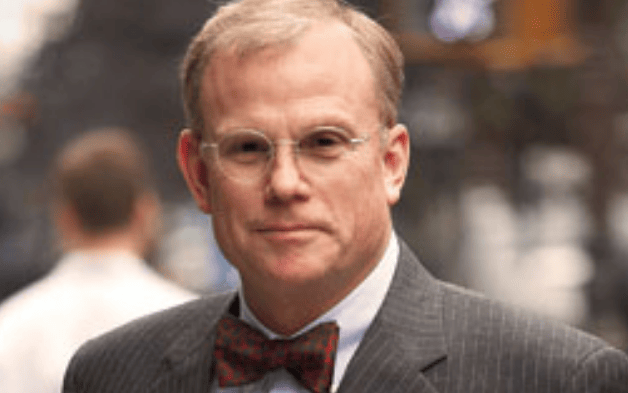
Institutional investors’ investment strategy should be serving the China middle class and the dislocation from within Asia, according to Stephen Kotkin,Professor of History and International Affairs at Princeton University speaking at the Fiduciary Investors Symposium at Cambridge University.

Kotkin explored what the geopolitical conflicts of the past can teach us about the future. He looked at some of the key points in history, how China, the European Union and the US have survived, and what it means for the future.

He said “we are currently experiencing a global turning point but we don’t know where it’s going because we’ve never been able to know it in real time”.


Listen to a podcast of his presentation here[vc_raw_html]JTNDaWZyYW1lJTIwc3R5bGUlM0QlMjJib3JkZXIlM0ElMjBub25lJTIyJTIwc3JjJTNEJTIyJTJGJTJGaHRtbDUtcGxheWVyLmxpYnN5bi5jb20lMkZlbWJlZCUyRmVwaXNvZGUlMkZpZCUyRjk1NjQyMzYlMkZoZWlnaHQlMkY5MCUyRnRoZW1lJTJGY3VzdG9tJTJGYXV0b3BsYXklMkZubyUyRmF1dG9uZXh0JTJGbm8lMkZ0aHVtYm5haWwlMkZ5ZXMlMkZwcmVsb2FkJTJGbm8lMkZub19hZGR0aGlzJTJGbm8lMkZkaXJlY3Rpb24lMkZiYWNrd2FyZCUyRnJlbmRlci1wbGF5bGlzdCUyRm5vJTJGY3VzdG9tLWNvbG9yJTJGODdBOTNBJTJGJTIyJTIwaGVpZ2h0JTNEJTIyOTAlMjIlMjB3aWR0aCUzRCUyMjEwMCUyNSUyMiUyMHNjcm9sbGluZyUzRCUyMm5vJTIyJTIwJTIwYWxsb3dmdWxsc2NyZWVuJTIwd2Via2l0YWxsb3dmdWxsc2NyZWVuJTIwbW96YWxsb3dmdWxsc2NyZWVuJTIwb2FsbG93ZnVsbHNjcmVlbiUyMG1zYWxsb3dmdWxsc2NyZWVuJTNFJTNDJTJGaWZyYW1lJTNF[/vc_raw_html]For more coverage of the Fiduciary Investors Symposium at Cambridge University click here.

Sponsored Content

Leave a Comment

Florida: Opportunities in a crisis

Florida: Opportunities in a crisis

The Florida State Board of Administration has made some strategic moves to take advantage of opportunities in the dislocation, including in private equity, distressed debt and active listed equities.. But CIO, Ash Williams, is concerned about the underlying real economy.

Sort content by

SIX (Sustainable Investing Expertise) Ma

So you think sustainability investing is easy? Think again.

Quantitative science

Fixed income investing has undergone a sea change in the past decade. By tossing out some active management orthodoxies and embracing new technologies and quantitative techniques, we believe some managers are better equipped to capture unique insights and excess returns for their clients.

COVID-induced economic uncertainty

This paper identifies three indicators – stock market volatility, newspaper-based economic uncertainty, and subjective uncertainty in business expectation surveys – that provide real-time forward-looking uncertainty measures and illustrate how they can be used to assess the macroeconomic impact of the COVID-19 crisis. It implies a year-on-year contraction in US real GDP of nearly 11 per cent as of 2020 Q4

Greening the recovery

The COVID-19 crisis won’t have a lasting impact on climate change, but the response will—fiscal policymakers should thus aim to make the recovery green according to the IMF.

How RI should be responding to COVID-19

The PRI is working with signatories to further develop thinking on what the COVID-19 crisis means for investors. It is establishing two signatory participation groups to coordinate and develop investor responses, focusing on short term responses, and a future economic recovery phase.

Investor collaboration on sustainability

How can investors be a catalyst for change and have an active voice in a sustainable recovery? This episode explores the role of investors and how they can collaborate for effective collective action. It includes the work of one of the leaders in sustainable investing and the biggest pension fund in Europe, APG. It invites investors to have an active voice in a sustainable recovery.

Previous



