
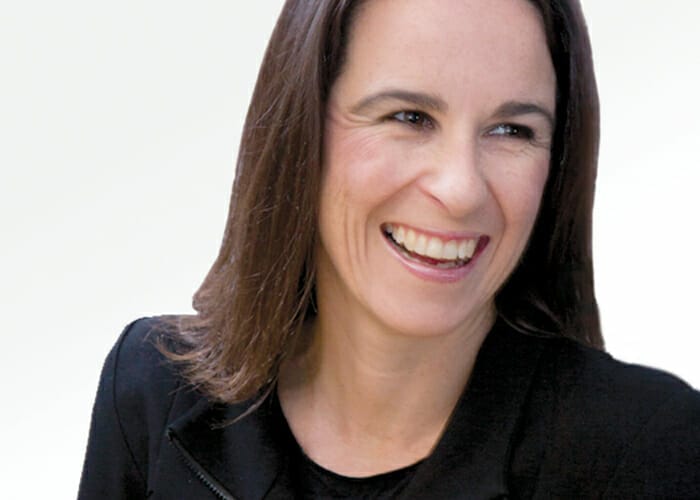

As a journalist, editor and event producer, I’ve got it pretty easy in terms of the risks I face in my job every day. Really, the biggest risks I face regularly are someone not reading a story or failing to turn up to an event. Hardly life threatening. On a really bad day, someone might take offence to something I’ve written and want to sue, but in a 20-something-year career I’ve only come close to that once.
For you asset owners, it’s a different story. Your risks – in the long term and every day – are large and numerous.
We started compiling a list of risks that investors face in their jobs and it’s made me wonder why anyone would ever want to be a large institutional investor and take on the fiduciary responsibility of managing money on behalf of someone else.
From a business point of view, you have to consider operational risk, regulatory risk, compliance risk, technology risk, cyber risk, longevity risk, balance-sheet risk, people risk, key-man risk, behavioural risk, diversity risk and reputational risk – and that’s just for turning up to the office, before you’ve even made an investment.
There’s the strategic risk of managing short-term and long-term risk, the peer risk of looking different to your contemporaries and the managing-up risk of spending too much time looking after the board’s needs.
Once you start investing, the investment risks are overwhelming – you’ve got equity risk, illiquidity risk, tail risk, credit risk, default risk, interest-rate risk, duration risk, tax risk, liability risk, longevity risk, inflation risk, market risk, volatility risk, sequencing risk, structural risk, catastrophe risk, insurance risk, counterparty risk, sovereign risk, project risk, re-financing risk, benchmark risk, index risk, active risk, and in recent times factor risk and climate risk.
If you use derivatives, you have to also consider delta risk, gamma risk and vega risk. Depending on where you sit in the world, currency risk could pose the largest threat to your portfolio; and depending on where your portfolio is allocated, geopolitical risk could be what keeps you awake at night.
Then there’s the one I heard coined recently by the CIO of an Australian fund in relation to Trump’s presidency: WTF? risk.
In these times of continued uncertainty, there’s now also asset correlation risk and the market risk of investments-just-not-doing-what-you-thought-they-would risk.
And finally, if you outsource to a manager, you have to consider principal-agent risk, supply-chain risk, and the manager’s business risk, which includes people risk, process risk and performance risk, along with their operational risk, regulatory risk, compliance risk, technology risk, cyber risk, blah, blah, blah…
It’s no wonder we all need a holiday.
Thanks for being our readers in 2017. We hope by sharing the stories of your peers, and highlighting best practice, we have contributed in some small way to helping you navigate these risks. We look forward to 2018.








Leave a Comment
You must be logged in to post a comment.
Login